By Nazanine Nouri
The Metropolitan Museum of Art in New York has just opened its first-ever exhibition dedicated to Orientalism, with treasures from Iran among the highlights.
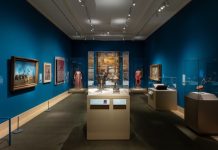
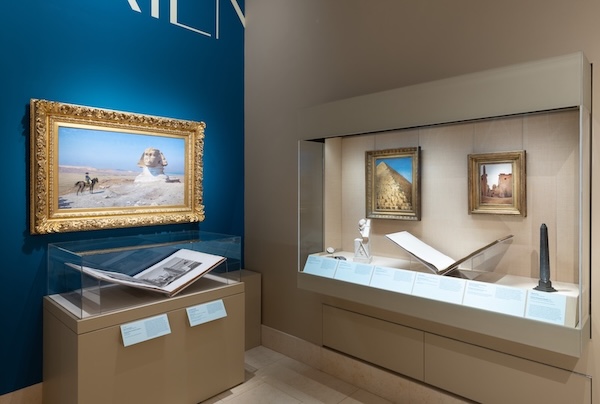
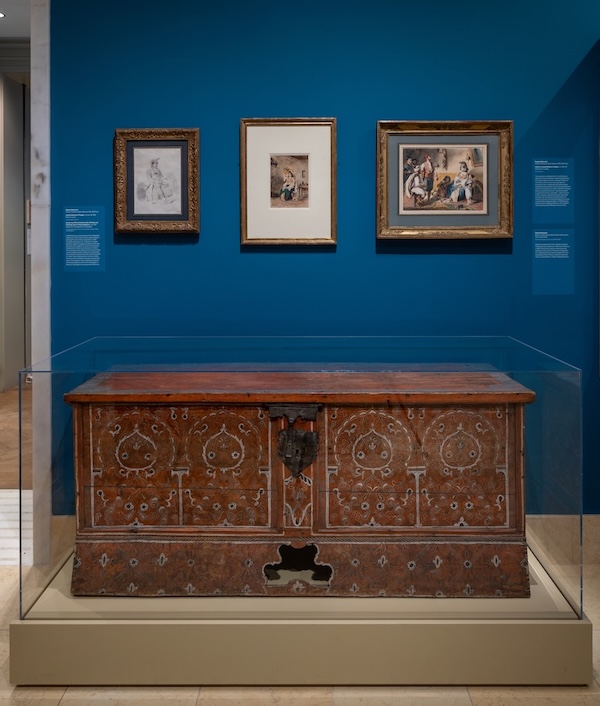
“Orientalism: Between Fact and Fantasy” — which ends on Feb. 28, 2027 — explores how Islamic art and design were interpreted and emulated by 19th century European and Ottoman artists to portray the Middle East and North Africa.
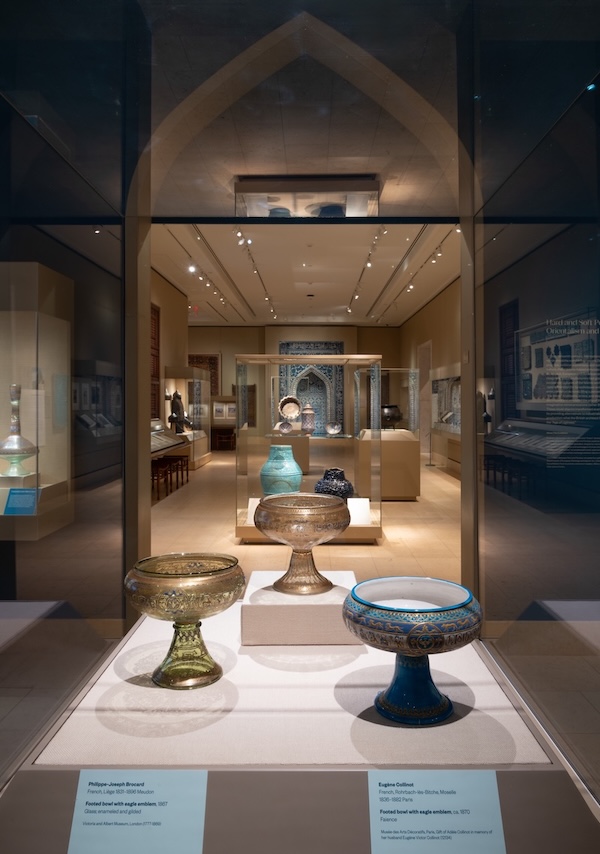
Objects from Iran feature prominently. They include a few 19th century swan-neck glass bottles and their Tiffany glass imitations known as “ashkdan” [containers for tears] which, according to the legend, were intended to collect the tears of wives separated from their husbands; a 17th-century ceramic “Bottle Depicting a Peacock in Foliage” with a silver mount; and an 18th-century carved coco-de-mer beggar’s bowl known as “kashkul” – an emblematic boat-shaped vessel carried by wandering dervishes of the Islamic Sufi tradition.




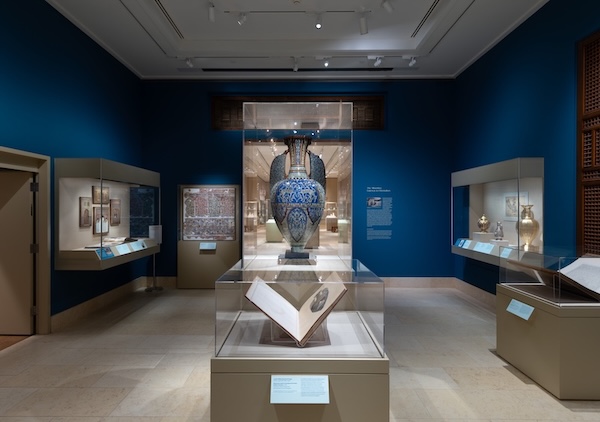

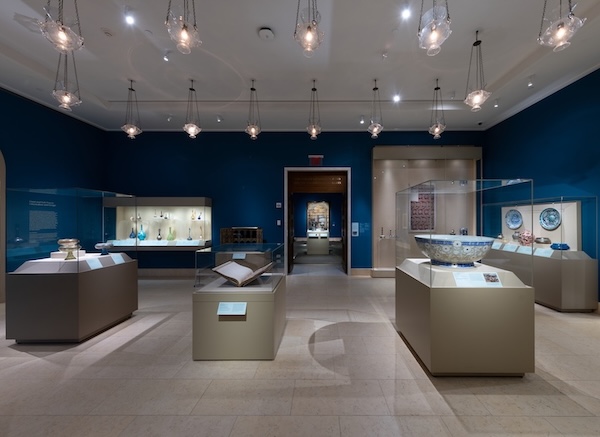
“In the 19th century, Persian art and culture held a mesmerizing sway over the imaginations of Europeans and Americans, including writers, translators, poets, artists, craftsmen, architects, designers, and even composers, who regarded Persia (present-day Iran) as an unmatched wellspring of creativity and refinement, inspiring a vast body of literature, visual art, and music,” said Maryam Ekhtiar, who co-curated the exhibition and has worked at the Metropolitan Museum since 2003 as a specialist in 19th-century Persian art and culture, calligraphy and late-Persian paintings.
“Visitors to the exhibition will learn that this tendency was so pervasive that many designers and manufacturers marketed their creations as ‘Persian,’ regardless of where they were actually made,” she added.
Met Museum Chief Executive Officer Max Hollein gave his take on the exhibition.
“During the 19th century, unprecedented cross-cultural encounters fueled the accelerated absorption and reinterpretation of ideas shared between peoples,” he said in the news release. “’Orientalism: Between Fact and Fantasy’ focuses on how cultural difference was perceived, reckoned with, and represented during this period, breaking down conventional hierarchies between the visual and decorative arts to offer new perspectives on a multifaceted subject.”
According to the Met, the word ‘Orient’ is derived from the Latin word ‘Oriens’ which signifies the direction of the rising sun – the east. Orientalism refers to the representation of the East in Western art, a representation which often blurred the line between fantasy and reality.
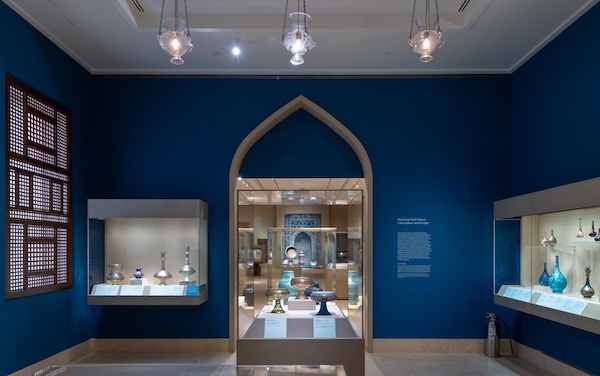
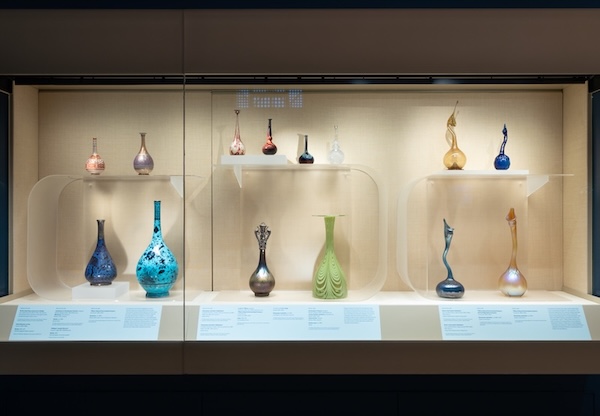


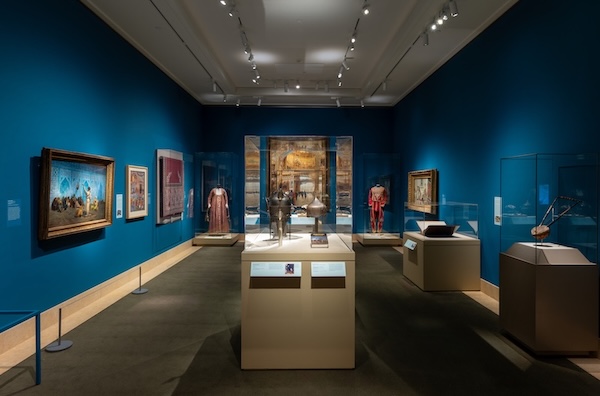
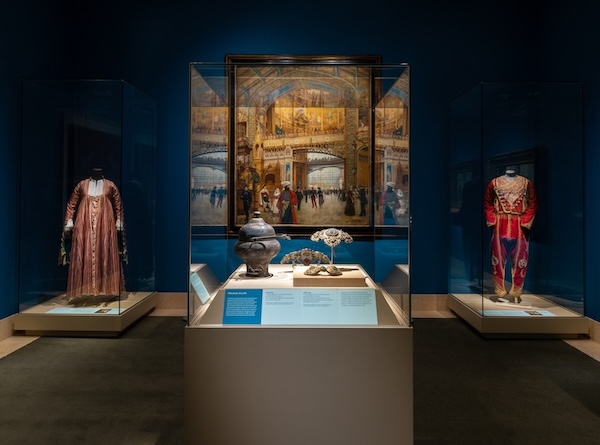

As an art movement, Orientalism reached a peak during the 19th century, as European and North Americans were drawn to the lands of the Middle East and North Africa — from Constantinople to Jerusalem, Cairo and Marrakesh.
Orientalist painters were particularly interested in scenes of everyday life – whether realistic or imagined – as well as images of Muslims engaging with their faith at prayer, performing the Hajj pilgrimage, or studying in a madrasa (religious school). They closely studied the different ethnic, religious and social groups of the Middle East and North Africa, with a particular focus on their attire, and often depicted themselves in local dress.
Presenting works produced after Napoleon’s conquest of Egypt in 1798 and paintings of the Ottoman renaissance, “Orientalism: Between Fact and Fantasy” explores how Islamic works of art made their way to European dealers, collectors, exhibitions and museums and introduced a new visual language to such artists, architects and designers as Eugène Delacroix, Jean-Léon Gérôme, Owen Jones, Edward C. Moore and Philippe-Joseph Brocard.
The exhibition is the first major collaboration between the Met’s Departments of European Paintings and Islamic Art, and presents approximately 180 objects from 12 Met departments, along with rarely seen loans from the United States and abroad. It features exceptional paintings, drawings, photographs, illustrated books, architecture, arms and armor, textiles, garments, glassware, ceramics and metalwork.
“Orientalism: Between Fact and Fantasy” is co-curated by Ekhtiar; Patti Cadby Birch Curator in the Department of Islamic Art; Asher Miller, Eugene V. Thaw Curator of European Paintings; and Deniz Beyazit, Curator of Islamic Art.
Ekhtiar received her PhD from New York University’s Department of Middle Eastern Studies in 1994 and has worked and taught at Brooklyn Museum, New York University, and Swarthmore College. Ekhtiar worked closely with Layla Diba on the 1998 exhibition at the Brooklyn Museum, “Royal Persian Paintings: The Qajar Epoch 1785-1925” and was coeditor of the exhibition catalogue.