
By Kayhan Life Staff
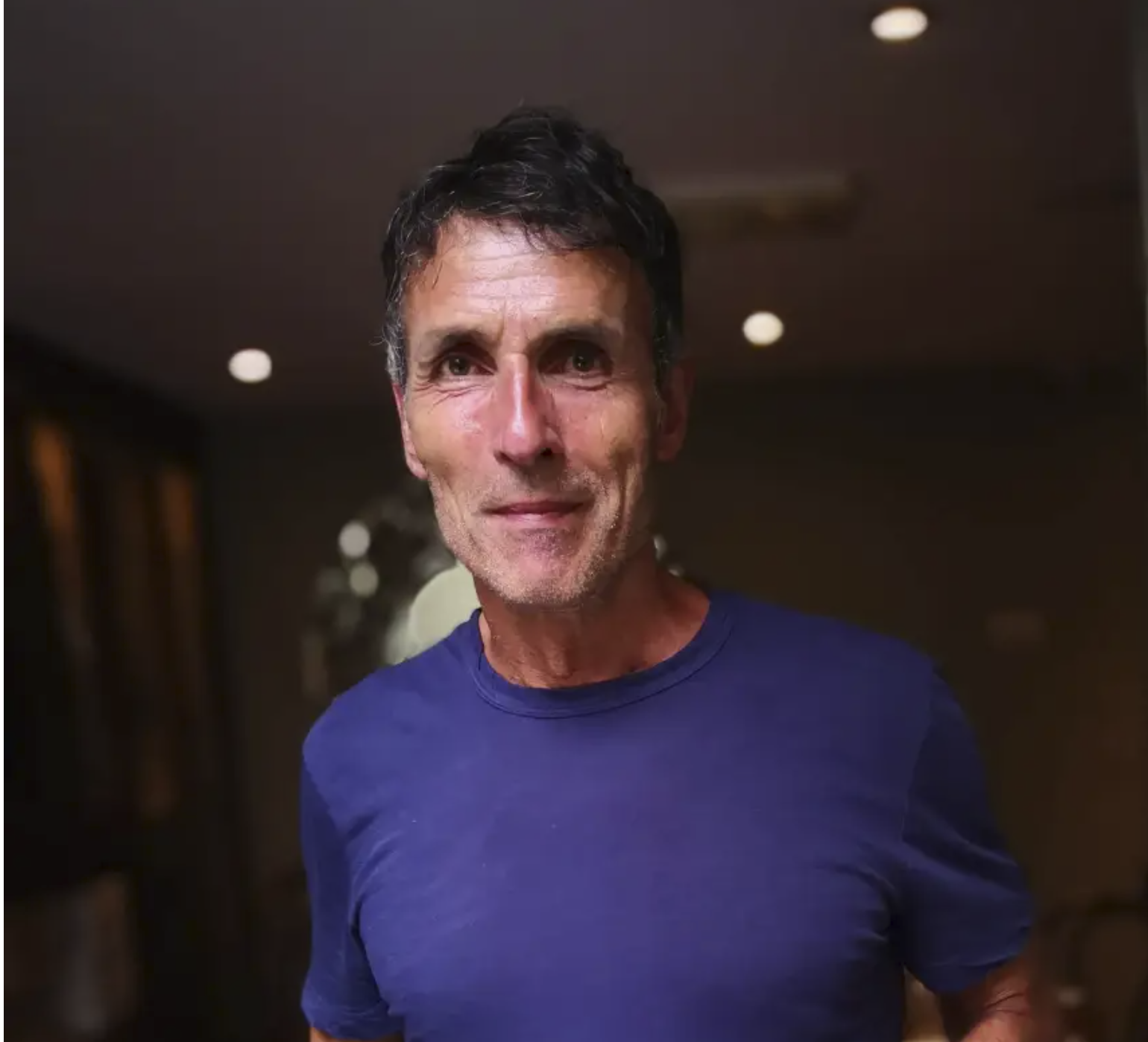
Bijan Behzadi, the pioneering London restaurateur who redefined Persian cuisine, died in London of an illness.
Behazdi’s quiet determination and refined hospitality transformed London’s views on Persian dining. His enduring achievement was Kateh: the Little Venice restaurant which he opened with his mother, Narges Pourkhomami, in 2011.
zomato.com/xerxestheravenous
Instagram @ravenousxerxes
Email: [email protected]
Tucked away on Warwick Place, Kateh became an unlikely powerhouse. It was the first Iranian restaurant ever to win a Michelin Guide Bib Gourmand, and it was later selected as one of OpenTable’s 10 best London restaurants.
For food critics and regulars alike, it was a revelation — a 40-seat dining room elegantly serving Persian dishes which were nothing like the ones on offer in the city’s traditional chelo kababi.
Kateh’s menu paid homage to family traditions while reaching beyond them. The creative force in the kitchen, according to Behzadi, was his mother. Every detail — from the understated décor to the carefully curated wine list — characterized a restaurant that was intent on elevating expectations of Persian cuisine.
“London has been transformed in the last 20 years. It’s the best place in the world for food now,” Behzadi told Reuters in 2013. “But most of the Iranian restaurants haven’t changed. We like to eat a lot and pay a little.”
Kateh was Behzadi’s tasteful rebuttal of that trend, proof that Persian cuisine could hold its own alongside the most sophisticated European traditions and even surpass them.
Born in Iran, Behzadi moved to London in the 1980s. He immersed himself in the restaurant world, managing establishments before striking up a friendship with Michelin-starred chef Giorgio Locatelli, to whom he was introduced by Marco Pierre White (then the youngest chef ever to earn three Michelin stars).
Together, they opened Red Pepper in 1994, one of the first Italian restaurants in London to use a wood-burning oven for pizzas. Yet it was at Kateh, nearly two decades later, that Behzadi found his true voice.
Part of his mission was educational. He argued that while France and Italy celebrated their regional cuisines, Iran’s vast geography — from the snowy mountains near Turkey to the deserts on the Pakistani border — was rarely reflected in its food culture.
“If you’re from Milan, you’re aware of Calabrian or Tuscan food,” he once observed. “But if you’re from Tehran, you have no idea about the rest of Iran.”
To fill that gap, he turned to unusual sources. One of his inspirations was an early-20th-century cookbook written in English by European diplomats and their spouses who had lived in Iran. Its pages revealed forgotten recipes, such as Dezfuli salad from the southwest, a cucumber-and-onion dish brightened with pomegranate instead of tomatoes. For Behzadi, these discoveries were a way to reclaim Iran’s culinary history and share it with a new audience.
Critics admired his ability to make Persian food fashionable without losing authenticity. Diners cherished the warmth with which he and his team received them. And the Iranian community in London saw in Kateh a rare ambassador: a place that carried their culture with elegance and pride.
Bijan Behzadi’s legacy extends beyond the dishes he revived and the accolades he earned. He transformed the art of Persian restaurant management with respect, care, and creativity. The Iranian community in London and beyond has lost not only a visionary restaurateur, but a leading light and a true friend.