Trump and the Islamic Republic: War, Peace—and Repeat
By Behnam Mohammadi
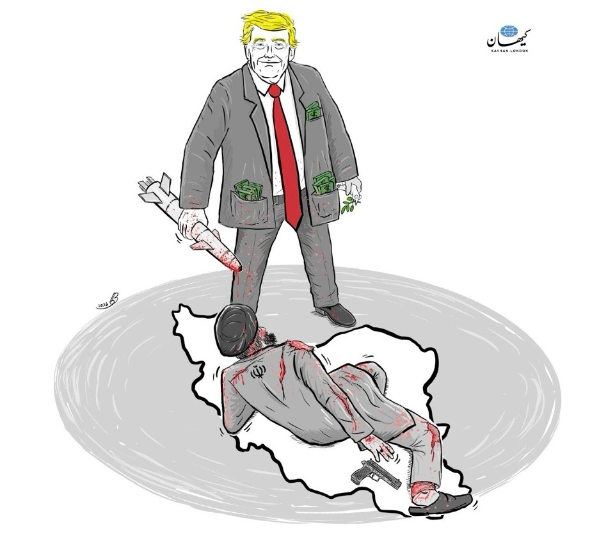
Trump’s War and Peace with the Islamic Republic is written in missiles and blood. Beneath the battered but still-armed regime lies Iran—a stage for their deadly spectacle, with the Iranian people once again forced to pay for every act.
Welcome to the Kayhan Life Week in Review
Five months into “Operation Epic Fury,” with depleted U.S. missile stocks raising concerns about military readiness, President Donald Trump again stepped back from threatened strikes, citing diplomatic progress. Tehran and Oman agreed on a provisional shipping channel through the Strait of Hormuz, although safe passage remained uncertain because of the U.S. blockade and sanctions regime. In a separate policy shift, Washington lifted sanctions on Fly Baghdad, Iraq Express and two aircraft previously linked to the Islamic Revolutionary Guards Corps. Prince Reza Pahlavi presented his vision for Iran’s democratic transition as the country’s economic vulnerability deepened and the regime intensified its crackdown. Persian treasures took center stage at the Metropolitan Museum of Art.
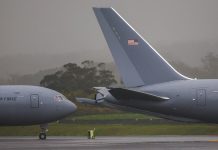
►President Donald Trump confirmed that the five-month conflict had depleted much of the U.S. Army’s global stockpile of long-range precision missiles. Still, against the backdrop of deepening economic distress inside Iran, he told reporters that he believed the war with the Islamic Republic would soon end.
Trump Says He Thinks War With Islamic Republic Will End ‘Pretty Soon
National Iranian Oil Company’s Bank Accounts Frozen Over Debt
►Earlier in the week, the IRGC asserted its maximalist position and control over the Strait of Hormuz by attacking a vessel near the Strait of Hormuz and warned Persian Gulf states that any new U.S. attack on its territory would trigger retaliation. Betting it can outlast Washington, it continues using shipping lanes, maritime chokepoints and energy infrastructure to increase the economic and regional costs of confrontation.
ANALYSIS-How Iran Is Widening Its Pressure Campaign to Force U.S. Concessions
EXCLUSIVE-Iran Threatens to Hit Persian Gulf States if US Launches New Strikes
Status of U.S.-Iran Talks Uncertain as Ship Struck in Hormuz
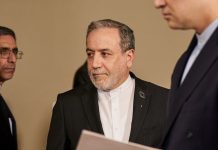
►Meanwhile, Tehran said it had agreed with Oman on the coordinates of a provisional shipping channel through the Strait of Hormuz, as well as compulsory charges through the strait for transit, and was finalizing a joint statement. But four sources told Reuters that the plan is not easily workable due to U.S. sanctions, and restrictive insurance clauses on any payments.
Proposed Hormuz Deal Would Give Iran Control of Inbound Traffic
Proposed Hormuz Passage Deal Not Feasible for Shipping Industry
►The U.S. Treasury removed counterterrorism sanctions from Fly Baghdad Airlines, Iraq Express and two Boeing 737 aircraft. The measures were imposed in 2024 over alleged assistance to the IRGC’s Quds Force. Treasury said Fly Baghdad had since made substantial operational and behavioral changes and addressed the conduct behind its designation.
US Lifts Sanctions on Fly Baghdad, Previously Linked to Islamic Republic’s IRGC
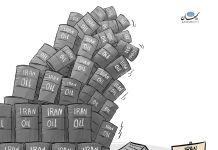
►Inside Iran, signs of economic distress appeared more evident. A state-owned lender froze the National Iranian Oil Company’s accounts over mounting debt, highlighting increasing strain within the country’s principal source of revenue. The company appears unable to repay nearly $17 billion owed to Iran’s National Development Fund.
National Iranian Oil Company’s Bank Accounts Frozen Over Debt
►Concerned about renewed unrest, Tehran intensified its crackdown against Iranians. According to U.N. human rights chief Volker Türk, 56 people have been executed in Iran on national security-related charges since March 19, including 27 in cases linked to protests at the start of the year. Earlier this week, the regime executed Omid Behzad and Pouria Safvat after convicting them of providing Israel with information about military and security sites.
UN Rights Chief Says Islamic Republic Executed at Least 56 People Since March
Iran Executes Two People Accused of Spying for Israel
►Amid these developments, Prince Reza Pahlavi set out his vision for Iran’s political future. In a Reuters interview, he explained why he believes the Islamic Republic is vulnerable and discussed a democratic transition. He also addressed criticism from donors, violence by some supporters, as well as his campaign against the IRGC and his evolving views on foreign intervention.
INTERVIEW: Reza Pahlavi Speaks to Reuters About Iran’s Future
►Finally, in cultural news, Persian artworks are among the highlights of the Metropolitan Museum of Art’s first exhibition devoted to Orientalism. “Orientalism: Between Fact and Fantasy” examines how its art and design shaped European and Ottoman representations of the Middle East and North Africa during the 19th century.
Treasures from Iran Feature in Metropolitan Museum’s First Orientalism Exhibition
Updates from Kayhan Life’s Social Media:
What’s Next for U.S.-Iran Relations, Prince Reza Pahlavi Asked by Journalist Nicholas Ballasy
Iranians March Through London: From Downing Street to the Regime’s Embassy
Actress Shiva Negar Reflects on Her Sense of Being Iranian
Kayhan Life’s Curated News:
Iran Update Special Report, Institute for the Study of War, The American Enterprise Institute
The authoritarian axis looms over wars in Ukraine and Iran, by Rajeswari Pillai Rajagopalan, The Strategist
Treat of the Week
MORJOO KHORESHT

From all of us at Kayhan Life, we wish you a peaceful weekend.