By Kayhan Life Staff
Iran’s agricultural sector has been in decline due to a combination of factors, including prolonged drought, misguided policies by the Ministry of Agriculture Jihad under Minister Gholamreza Nouri Ghezeljeh, and a sharp rise in production costs. As a result, food prices have surged, with many staple items topping the inflation charts.
Some experts argue that the Ministry of Agriculture Jihad’s performance under President Massoud Pezeshkian poses a serious threat to the nation’s food security.
Inflation data from August shows food items continue to dominate Iran’s inflationary landscape. That month, food prices soared by more than 51 percent from a year earlier, with bread and cereals experiencing the steepest monthly increase — climbing 7.8 percent from July.
ANALYSIS: Much of Iran Is Threatened By Drought and Water Scarcity
Fruits and dried fruits also saw a 4 percent monthly price increase.
According to the Statistical Center of Iran’s August inflation report, year-on-year inflation for vegetables and legumes reached 66.5 percent, while point-to-point inflation for the same items stood at 52.9 percent.
The oils and fats category recorded a year-on-year inflation rate of 47.4 percent. Meanwhile, tea, coffee, cocoa, soft drinks, and non-alcoholic beverages saw a staggering 68.1 percent point-to-point inflation and a 45.5 percent annual rate.
All of these figures exceed the national inflation average, indicating severe disruptions in food production and supply chains.
Experts attribute the price hikes in locally produced items such as fruits and vegetables to ongoing drought conditions, the energy crisis, rising transportation costs, and increasing wages.
Additionally, fertilizer prices have spiked. The cost of urea fertilizer jumped by 74 percent in one year, rising from 3,950,000 rials ($38) to 6,880,000 rials ($67) per bag.
The primary cause of the fertilizer shortage and price hike was the disruption of gas supplies to fertilizer plants during the winter, which halted production. As a result, farmers were left without essential fertilizers during the critical planting season in March and early April.
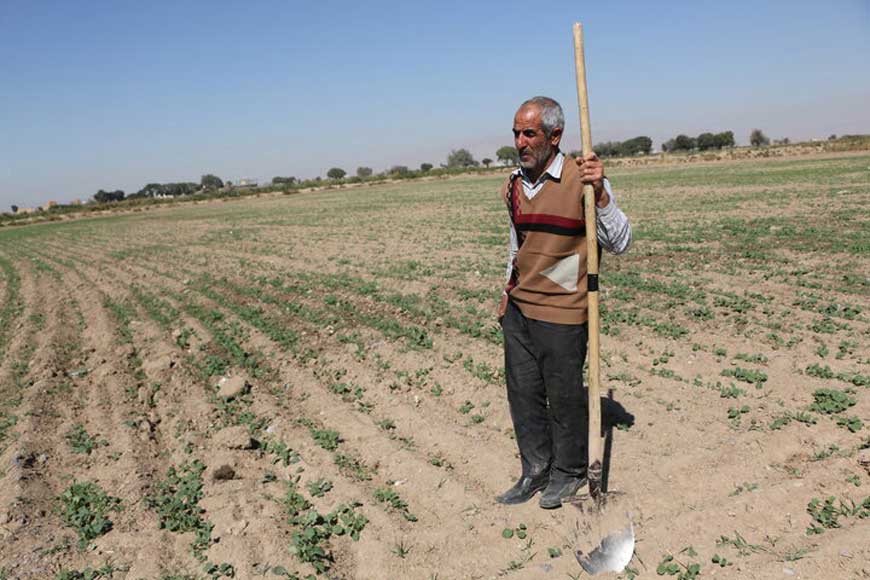
Ghadamali Borbor, Deputy Chair of the Board of Directors at the National Wheat Foundation, issued a stark warning about the country’s deepening food security crisis.
He noted that frequent power outages, water shortages, rising input costs, and uncertain planting schedules have collectively reduced agricultural output by one-third — pushing the country toward a critical shortage of wheat and forage.
“Last year, we harvested about 12 million tons of wheat,” Borbor said. “This year, due to energy and irrigation problems, that number has fallen to around 7.3 million tons — a 35 to 40 percent decrease, which is unprecedented in our agricultural history.”
The crisis, he added, extends beyond wheat: “Forage production has also collapsed, driving up prices for alfalfa and livestock feed. This endangers animal food security and could soon lead to higher prices for milk, dairy products, and meat.”
With just one month left before the 2026 planting season, Borbor expressed concern that planting guidelines have not yet been released and pricing remains unclear.
Meanwhile, input costs are soaring — the price of chemical fertilizer has risen from 4 million rials ($39) to 7 million rials ($68), and prices for imported fertilizers have not been announced.
Borbor also criticized the government for failing to pay 10 to 15 percent of its outstanding dues to farmers, leaving many without the means to begin planting.
Agricultural economists warn that the combination of rising costs and rigid government price-setting policies is leading to unsustainable losses for farmers — discouraging many from remaining in the sector.
These developments have intensified scrutiny of the Ministry of Agriculture Jihad’s performance.
Davoud Rangi, a member of the Agriculture Committee in Iran’s Chamber of Commerce, emphasized that the primary issue facing the agricultural sector is not low rainfall, but flawed government pricing policies.
He stated: “The main reason for the country’s agricultural underdevelopment is a lack of knowledge and technology. If this is addressed, even with the current rainfall levels — which are not particularly low — we can achieve strong agricultural production and reduce reliance on essential imports.”
Meanwhile, dissatisfaction with Minister Nouri Ghezeljeh has been mounting.
Forty-six members of the Majlis (Iranian Parliament) have signed a petition to question him, citing widespread inaction within the ministry and warning that the agriculture and livestock sectors are on the brink of collapse.
The ministry’s approach to natural resources and watershed management has also come under fire.
In mid-August, Minister Nouri Ghezeljeh was summoned to the Majlis but failed to provide satisfactory responses to lawmakers’ concerns. Many parliamentarians now believe his continued leadership poses a serious threat to Iran’s food security.
Abdolmajid Shaykhi, an agricultural economist, discussed the Minister’s performance in an interview with the Tehran-based Jahane Sanat newspaper.
“Like other sectors, agriculture is struggling with numerous difficulties,” Shaykhi said. “For example, the cost of producing wheat has doubled compared to last year.”
He criticized the Minister for lacking the economic insight to recognize that domestic and imported production costs do not align with the government’s guaranteed purchase prices.
“Prices for wheat and other essential goods must be adjusted in line with inflation,” he added.
Shaykhi also condemned the minister for neglecting the country’s food security needs. He explained that a capable agricultural minister must understand the sector’s vulnerability to seasonal and climatic changes.
“The primary responsibility of an agriculture minister is to ensure food security,” Shaykhi said. “That requires a comprehensive market regulation strategy that addresses both supply and demand. This includes storage infrastructure, distribution networks, production support programs, and coordinated efforts between the public and private sectors.”
He also pointed to the dramatic rise in food prices over the past year.
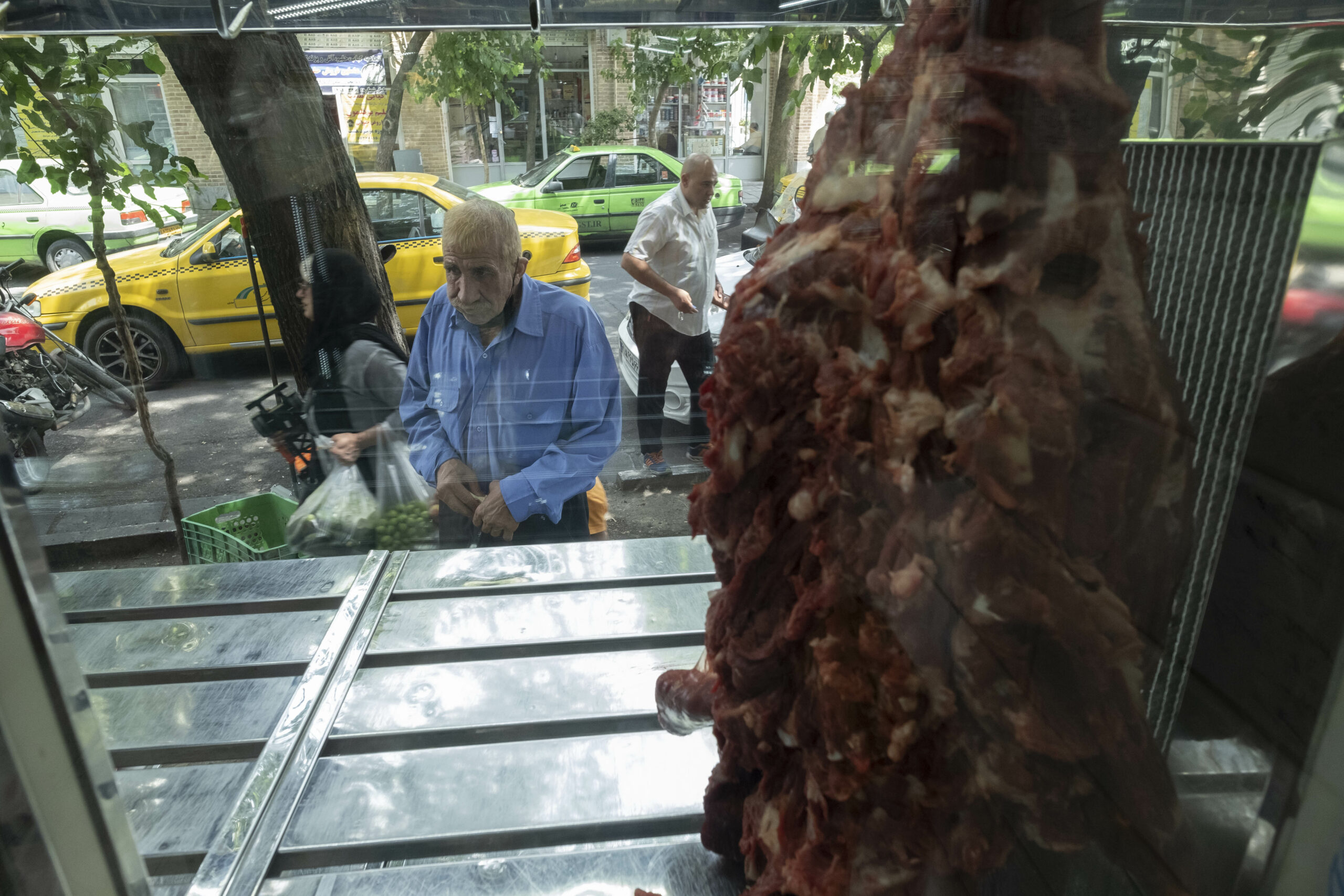
“Government subsidies once helped keep meat affordable, but with those subsidies gone, domestic meat prices have soared,” he said. “People now pay up to 1 million rials (around $10) per kilogram of meat. How can a worker earning 10 million rials ($100) a month — most of which goes to rent — afford to eat meat even once a year?”
In conclusion, Shaykhi asserted: “All these problems demonstrate that Mr. Nouri Ghezeljeh is unable to manage this crucial sector of the national economy effectively.”