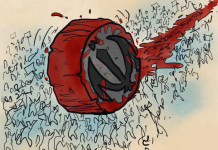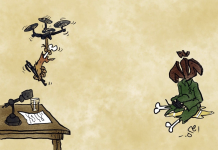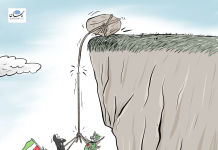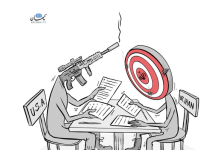
Artist: Ahmad Barakizadeh
By Kayhan Life Staff
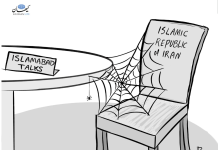
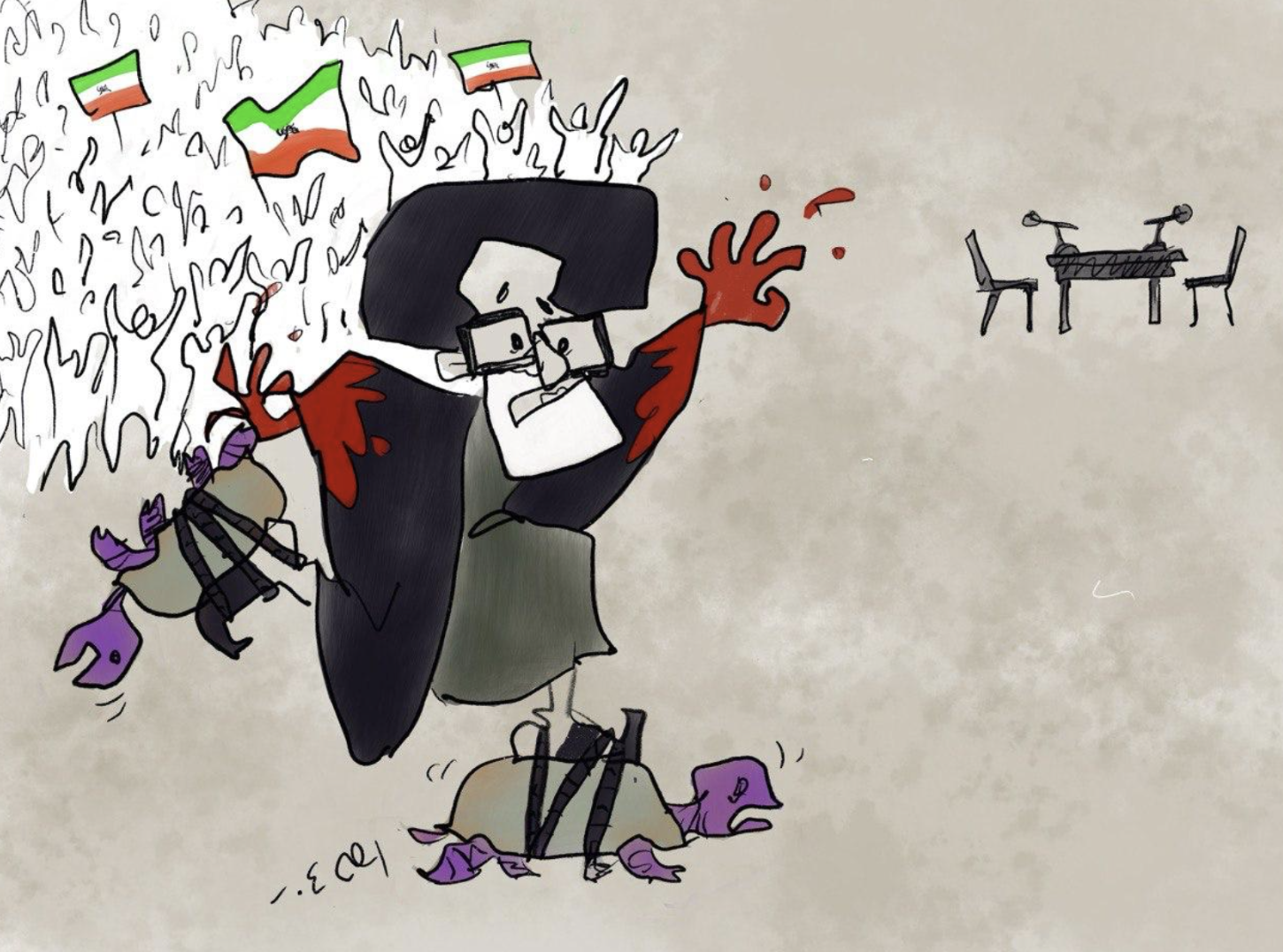
The United States and the Islamic Republic are meeting in Oman. Whether these talks end with big news, a handshake, or nothing at all, they probably won’t change the real situation. At best, we might see a repeat of the past: a shallow deal that gives the clerics more time, a long process that creates headlines but not real progress, or, more likely, a breakdown that leads to more tension. Throughout all of this, Tehran will claim victory for “resistance” at home and “engagement” abroad.
But does any of this really matter? Not like it used to.
For 46 years, the Islamic Republic has used fear to stay in power. It told Iranians that resistance would lead to their ruin, that it owned the future, and that the clerical state would outlast anyone hoping for change. The regime tried to control not just people’s actions but also their hopes.
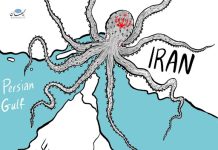
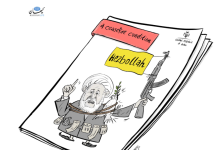
Outside Iran, it cultivated its “axis of resistance” to stand up to the United States and Israel. It stole billions from the Iranian people to fund its foreign militias and spread Ali Khamenei’s influence through networks, weapons, and favors internationally.
But that approach has fallen apart. Bashar Assad is now based in Moscow. Hezbollah and Hamas have suffered heavy losses. The sense that their success was guaranteed is gone.
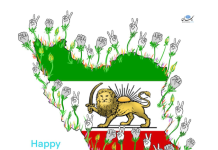
Inside Iran, the problems are even clearer. Leaders now worry that any outside event could push an already angry public back into protest. Their fear is justified. When a government has to kill its own people to silence them, it is not really ruling anymore. It is just trying to hold onto power it can’t truly control.
Talks might happen or fall apart. But the main point stays the same: the illusion is broken. With or without negotiations, the people win because now, it is the regime that is afraid.