
By Kayhan Life Staff
The Islamic Republic has executed Hossein Pedaran on charges of spying for Israel, bringing the total number of espionage-related executions to at least 15 this year, as the regime pronounces death sentences against participants in January’s nationwide uprising and cracks down on lawyers.
Iran Human Rights said Pedaran was hanged on Sept. 19 at Isfahan Central Prison, also known as Dastgerd, in central Iran. State media then released a short video of what Iran Human Rights described as Pedaran’s forced confession.
Mizan, the judiciary’s news agency, alleged that Pedaran had supplied Mossad, Israel’s intelligence agency, with classified information about military and missile facilities in Isfahan province. It claimed that the information had enabled strikes which killed or wounded military personnel during the 12-day war in June 2025 and the subsequent conflict described in the report as the “40-day war.”
Iran Executes Man Convicted of Spying for Israel’s Mossad, Judiciary Says
His execution followed reports that at least 100 people had been sentenced to death in connection with the uprising, and that 135 lawyers had faced summonses, arrest, prosecution or other restrictions in the preceding year, according to the Human Rights Activists News Agency (HRANA).
Iran Human Rights reported that defendants in cases linked to the uprising were systematically denied lawyers of their choosing, forced confessions were broadcast before proceedings began, and prisoners’ families faced threats.
In an interview with Kayhan Life, Emily Schrader, an American-Israeli journalist, ILTV news anchor and founder of the Israel Iran Women’s Alliance, urged Western democracies to consider establishing a tribunal to hold Islamic Republic officials accountable for mass killings.
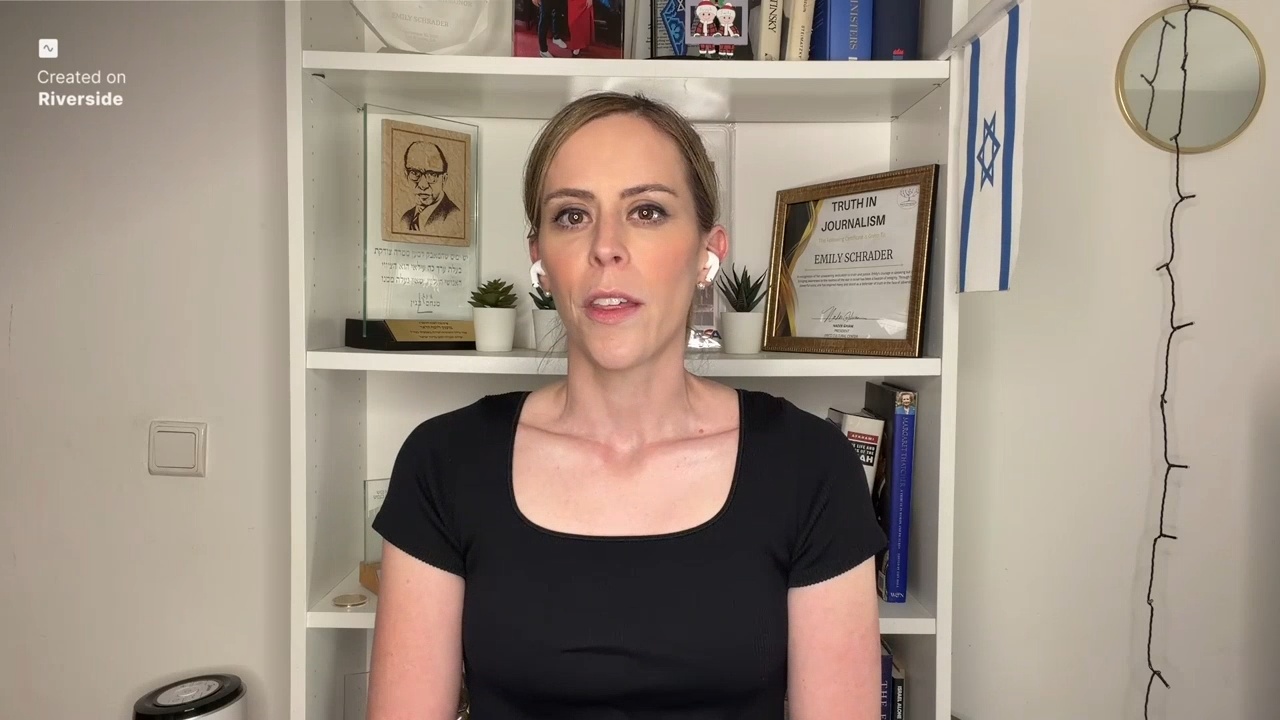
She said an absence of global motivation, rather than legal mechanisms, had prevented justice from being carried out.
“I think the political will is the primary problem here today,” she said, criticizing the international community for being “afraid to stand up to the Islamic regime.”
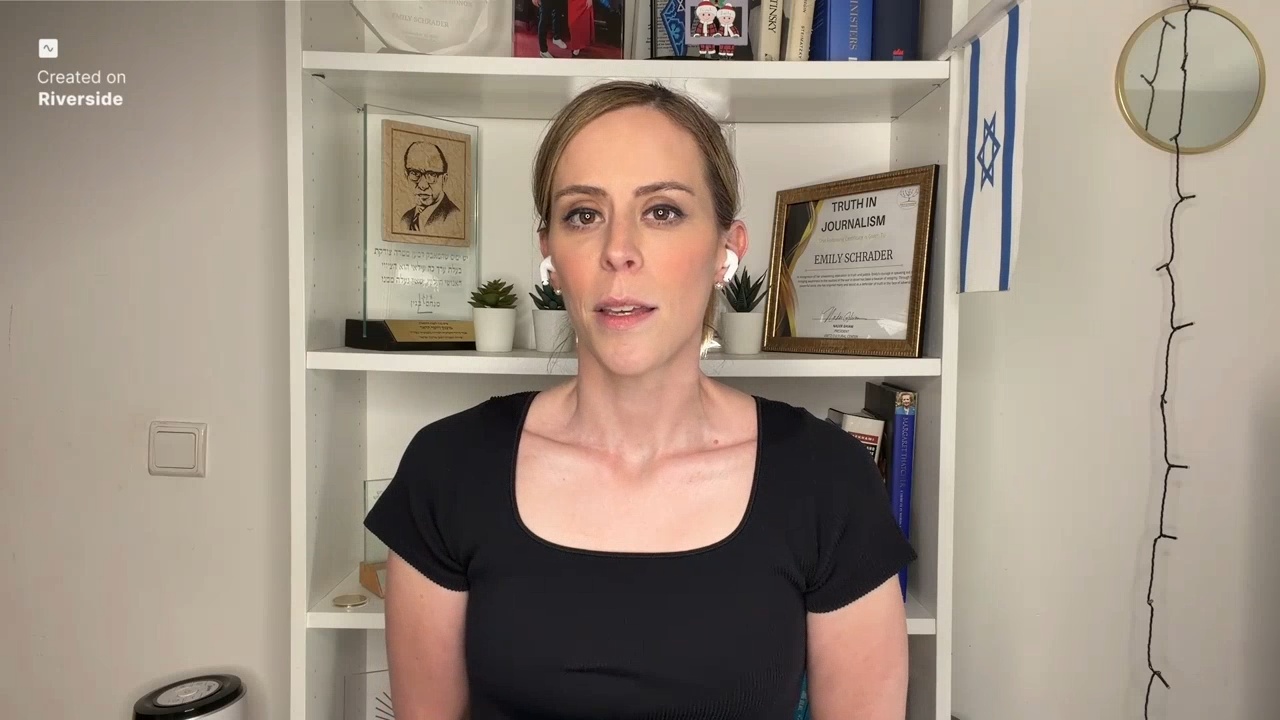
Schrader suggested a tribunal modeled on the Nuremberg trials, which prosecuted Nazi war criminals after World War II. She said efforts to pursue accountability through existing international institutions should also continue.

“We need to continue to speak about this issue and to try to find accountability whenever and wherever possible,” she said.
“It’s not politically convenient for much of the West right now,” she added. “But there are things more important than political convenience.”
Schrader urged Iranians and their supporters to preserve records, photographs, and videos of events and to compile accurate lists of officials involved.
“We need to identify them, and we need to track them down over time and hold them accountable in a legal way,” she said.
She emphasized that a sustained effort was required both to support future legal proceedings and to preserve the historical record. With rumors spreading faster than facts on social media, she urged care and accuracy in challenging denials of the January killings and subsequent executions, torture and persecution.