By Kayhan Life Staff
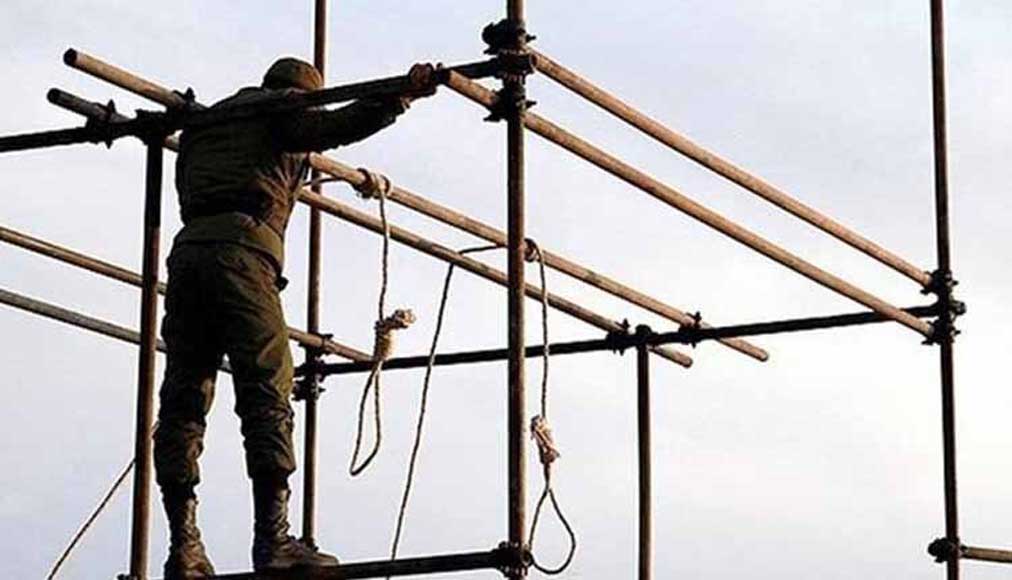
The Islamic Republic of Iran has executed at least 59 political prisoners in recent months, several of them aged 18 or 19, the New York-based Human Rights Watch (HRW) reports. Dozens of other political prisoners face the risk of execution, according to the report, which was released on Sept. 10.
Titled “Ongoing Unlawful Execution Campaign Against Protesters,” the report was produced in collaboration with the Washington, D.C.-based Abdorrahman Boroumand Center for Human Rights in Iran.
Every week, Iranian authorities have been executing protesters and political dissidents, according to the report, following “grossly unfair” trials and what both organizations describe as “vaguely worded crimes.”
Iran Executions: Interview with Key Human Rights Activist Amiri-Moghaddam
Twenty-nine of the 59 people executed on political charges were arrested during the December and January protests. Three others were arrested in connection with the ‘Woman, Life, Freedom’ protest movement of 2022.
In 16 of the 29 recent cases, there was no allegation of murder. Instead, the death sentences were handed down on charges including “waging war against God,” “corruption on Earth,” or “operating on behalf of hostile states.”
Of the 18- and 19-year-olds who were executed, five met their deaths in public in what the report said appeared intended to “create greater fear in society.”
The report also highlighted what it described as unfair and expedited judicial proceedings against those arrested in the protests. In many cases, trials were extremely brief, and some defendants were denied access to lawyers of their own choosing.
The period between arrest and execution in protest-related cases ranged from just over five weeks to less than eight months. Most of those executed were put to death within six months of their arrest.
Among the cases cited in the report is that of Saleh Mohammadi, a 19-year-old wrestler who was executed approximately five weeks after his arrest.
Amirhossein Hatami, an 18-year-old protester, was executed 84 days after his arrest.
Sasan Azadvar, a 21-year-old karate athlete, was arrested, tried, and executed in less than four months.
The report also documented allegations of torture, mistreatment, and forced confessions. Some of those sentenced to death said they had been subjected to severe abuse while in detention.
Among the abuses documented were beatings, electric shocks, mock executions, prolonged solitary confinement, threats of rape, and sleep and food deprivation. Some defendants were also denied access to lawyers of their own choosing.
HRW and The Boroumand Center called on United Nations member states to take action to halt the executions and establish a mechanism to hold the Islamic Republic accountable.
The two organizations said the Islamic Republic was accused of serious international crimes, including torture and enforced disappearance. They urged the use of international judicial mechanisms and other available tools to put an immediate end to these abuses.