By Katty Biglari
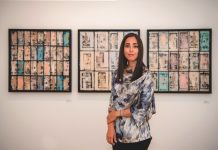
Shadi Yousefian is a multi-disciplinary Iranian-born artist who has channeled the emotions of a generation of Iranians in exile into an extensive body of work. She is taking part in a group show organized by the Advocartsy collaborative visual art platform in Los Angeles titled “A Gaze Through Time: Contepmorary Reflections on Memory and History” (through Sept. 26).
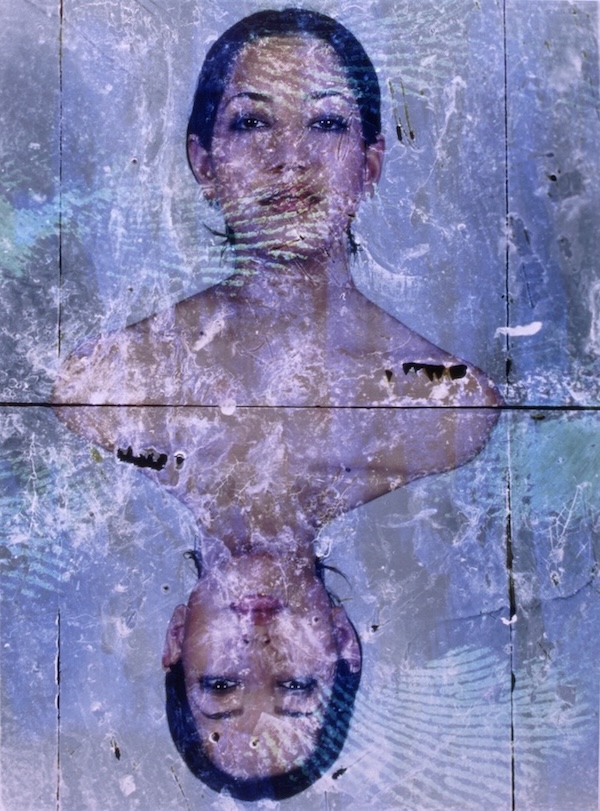
Shadi has mined her dual Iranian and Western identity to produce a body of work that is steeped in memories of Iran. The ritual of making art is, for her, an exercise in self-realization.
Yousefian was born in Tehran in 1978 and raised there. She moved to the United States in 1994, and after her undergraduate studies at San Francisco State University, completed a Master of Fine Arts degree in Photography there in 2006.
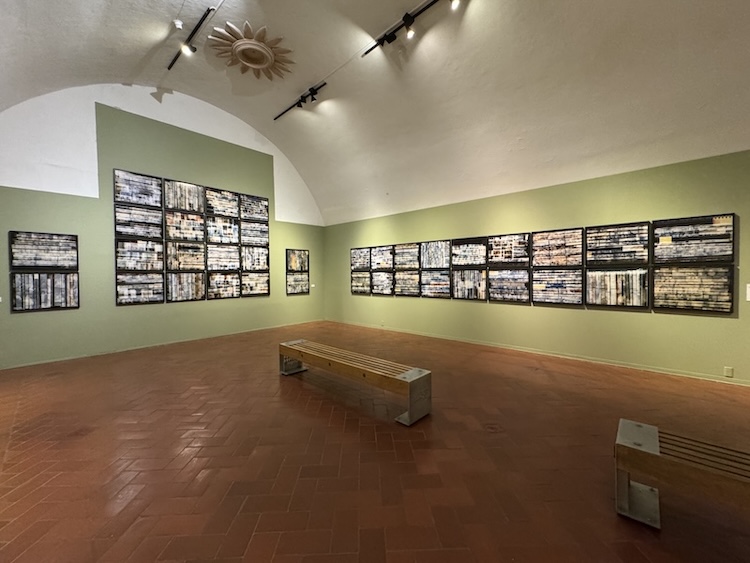
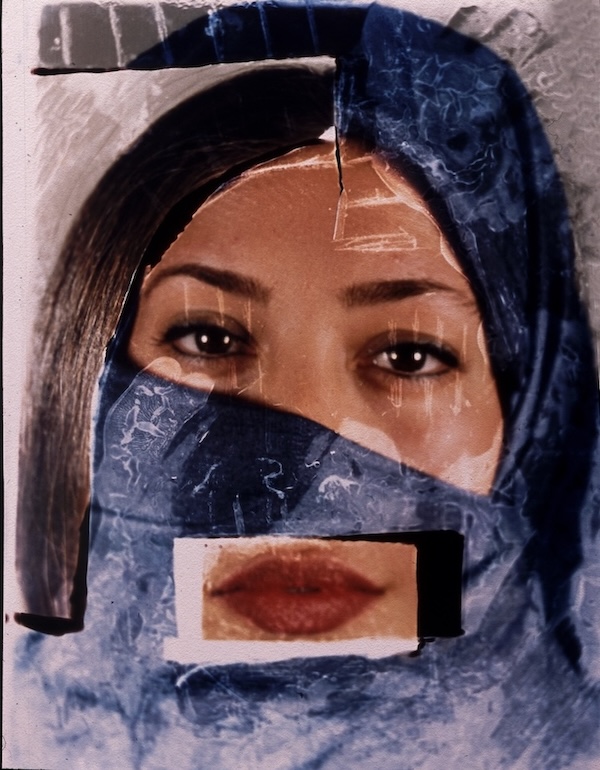
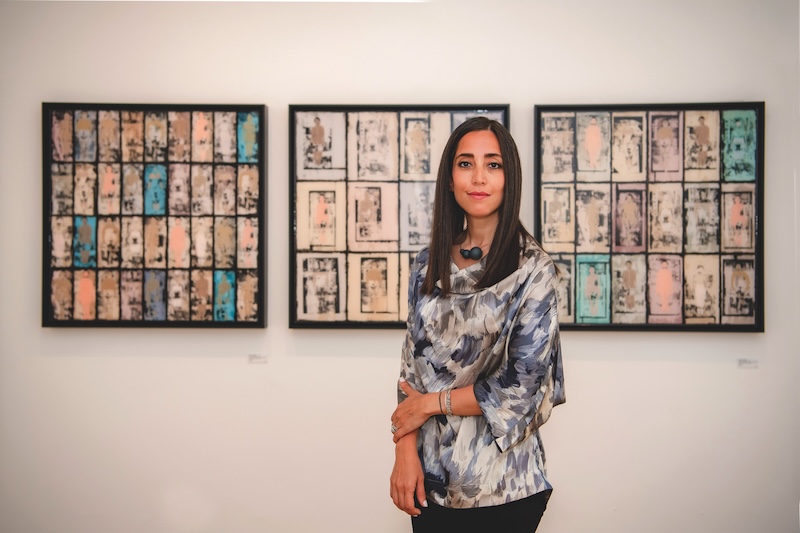
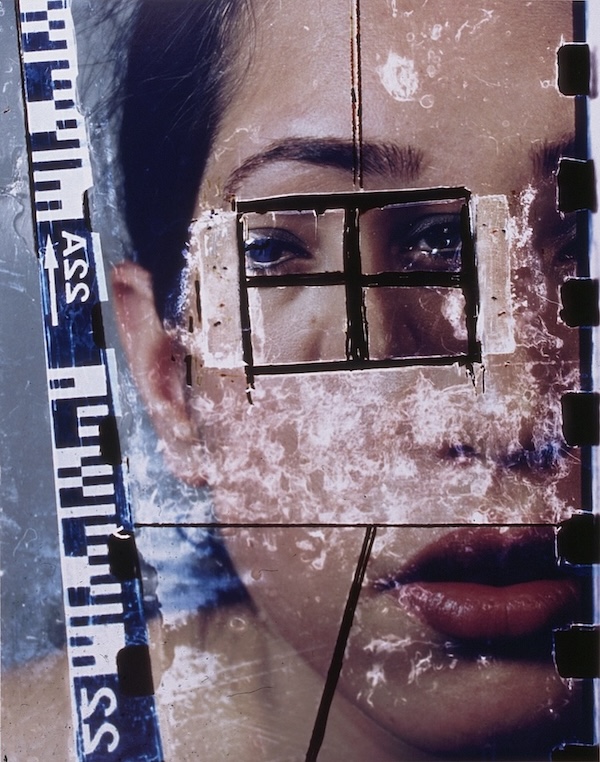
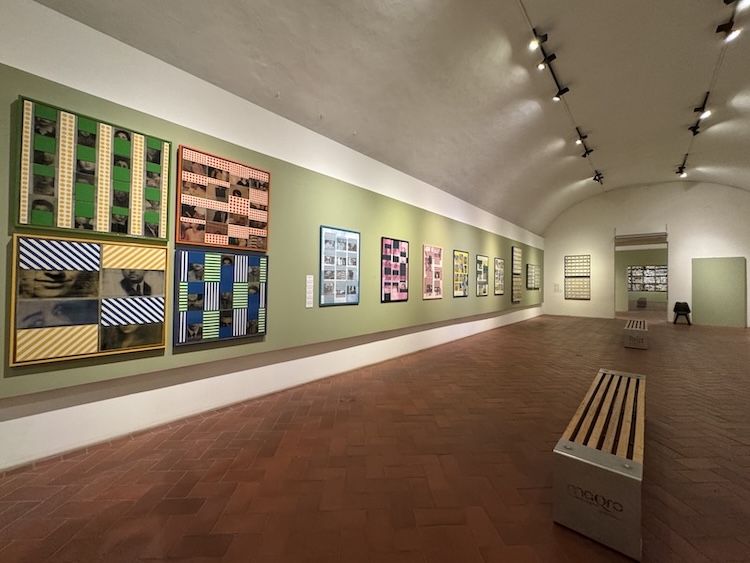
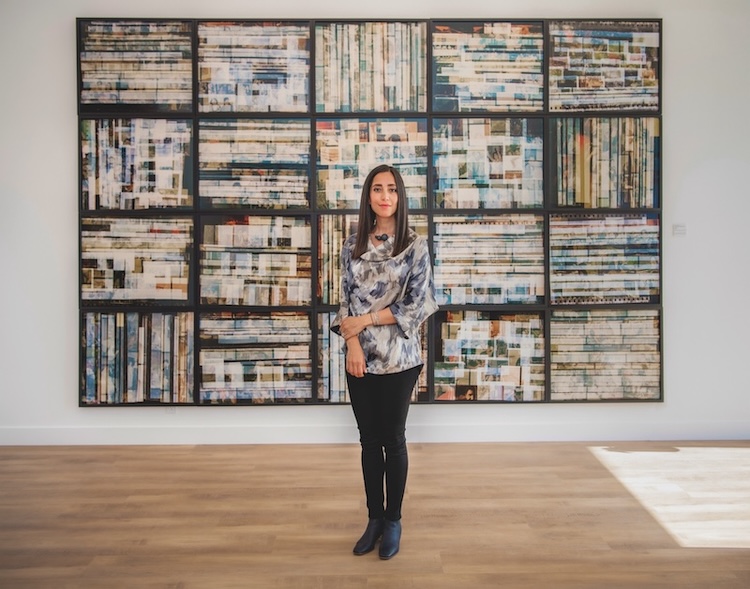
In 2017, Advocartsy put on a retrospective of her work as its inaugural show. It consisted of an exhibition of eight mixed-media series created from 2002 onwards, and was the first of seven shows she has exhibited in at Advocartsy.
The artist’s works are in the collections of the Los Angeles County Museum of Art and the San Diego Museum of Art. In 2025, she had solo shows in Mexico: at the Queretaro Museum of Art and at Museo Muni San Luis Potosi.
Yousefian joined Kayhan Life for a recent conversation.
The first series that you produced were self-portraits. Describe your state of mind at the time.
When I created the Self-Portraits series, I felt caught between my Iranian past and a new Western identity. I no longer felt that I fully belonged to either place. I expressed this fragmented identity by cutting and collaging negatives into new compositions, using the process to reflect my experience of living with a “double identity.”
In 2003, you made large sculptural mixed-media pieces as part of your Universal Identity series. How has your cultural identity developed over the years?
The Universal Identity series was the next step in my search of identity as an immigrant. I realized that identity is not only shaped by culture or place of origin, but also by our interactions with people of different backgrounds, races, genders and ages. I began to think of identity as a universal concept, which led me to title the series Universal Identity.
The themes of memory and the passage of time are frequently explored in your work.
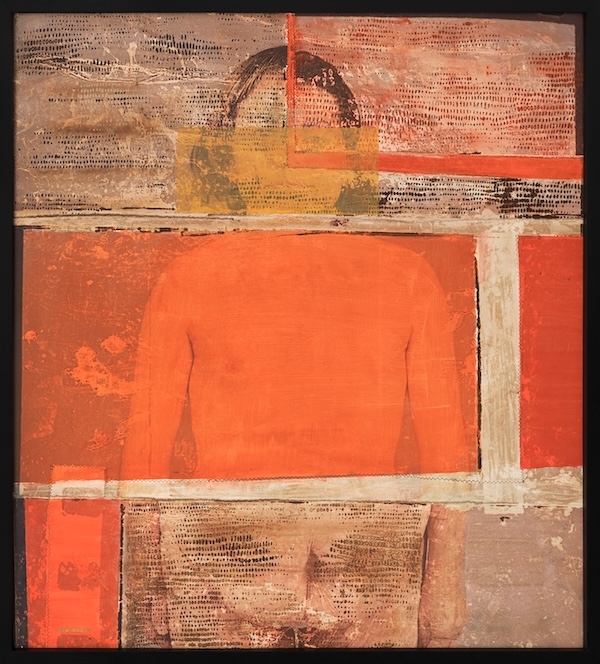
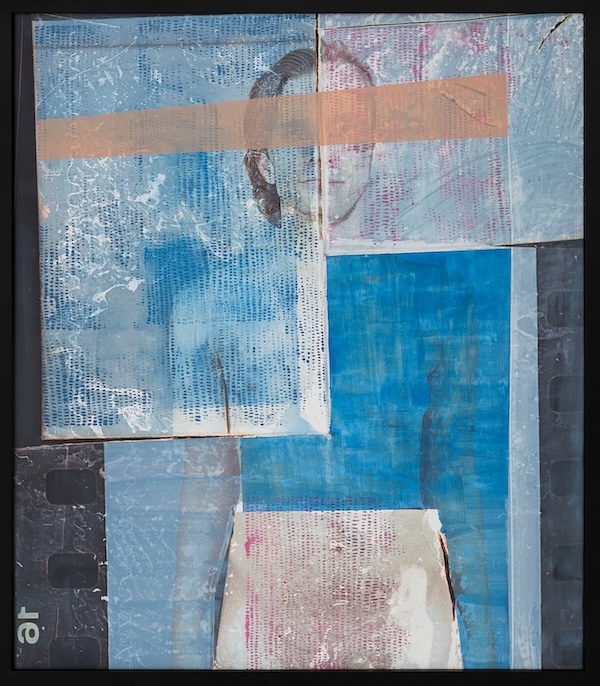
Memory and the passage of time are central to our sense of identity. Looking through old photo albums, I realized how memories fade and change over time, and through photographs, we try to preserve and archive these memories.
In my Fading Memories series, I cut fragments from old negatives and collaged them into compositions that express these fragmented memories and the lost connections to people and places from our past.
In 2024, you collaborated with Lucas Rise on a series called “Obscured by Colors.” Discuss that project, and what was being obscured.
In “Obscured by Colors,” I collaborated with Argentinian artist Lucas Rise to explore the contrast between old memories and the distractions of modern life. I used faded black-and-white family photographs from my parents’ albums, mounted them on wood panels and coated them with wax and resin to fade them even more. Lucas then painted vibrant shapes and patterns over these panels. The result shows how, over time, memories become obscured by our new experiences.
You had two museum shows in Mexico in 2025. Describe that experience.
As an artist, it’s always a pleasure exhibiting your work in large beautiful spaces like the Queretaro Museum of Art and Museo MUNI, San Luis Potosi, two prestigious Museums in Mexico.
I was able to showcase a large body of my work: eight series and more than 100 works spanning 24 years of my artistic career. Bringing a large body of work together in these beautiful museums allowed me to share my artistic journey and tell my story in a more complete manner to a broad audience. It was also a great experience getting to work with the directors of these Museums and their professional crews.