
By Nazanine Nouri
Keyvan Khosrovani, the renowned Iranian-born architect, designer, couturier and lighting designer whose multidisciplinary career encompassed architecture, fashion, interiors, historical preservation and the promotion of Iran’s artistic heritage, passed away in Paris on Sept. 3 at the age of 88.
“A great son of Iran passes away,” commented Amir Taheri, the prominent international columnist and author who served as the editor-in-chief of the Kayhan daily in Iran from 1972 to 1979 on X.
Born in an affluent family in Tehran in 1938, Khosrovani was the son of a three-star General. After earning a Master’s degree in architecture with high honors from Tehran University in 1962, he was awarded a two-year French government scholarship to continue his studies at the École Nationale Supérieure des Beaux-Arts in Paris. He subsequently spent a year at the Faculty of Architecture in Rome, specializing in the restoration of historical monuments.
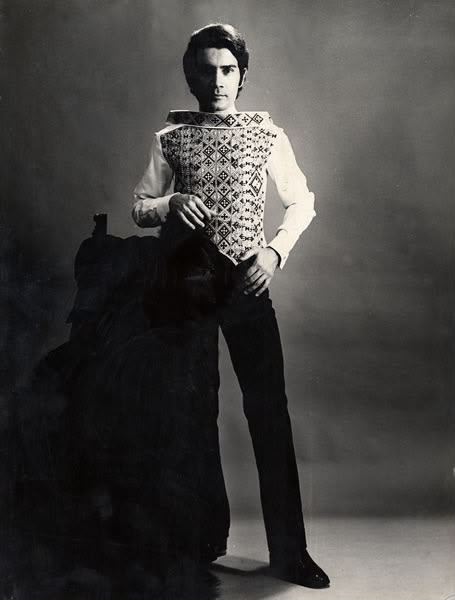
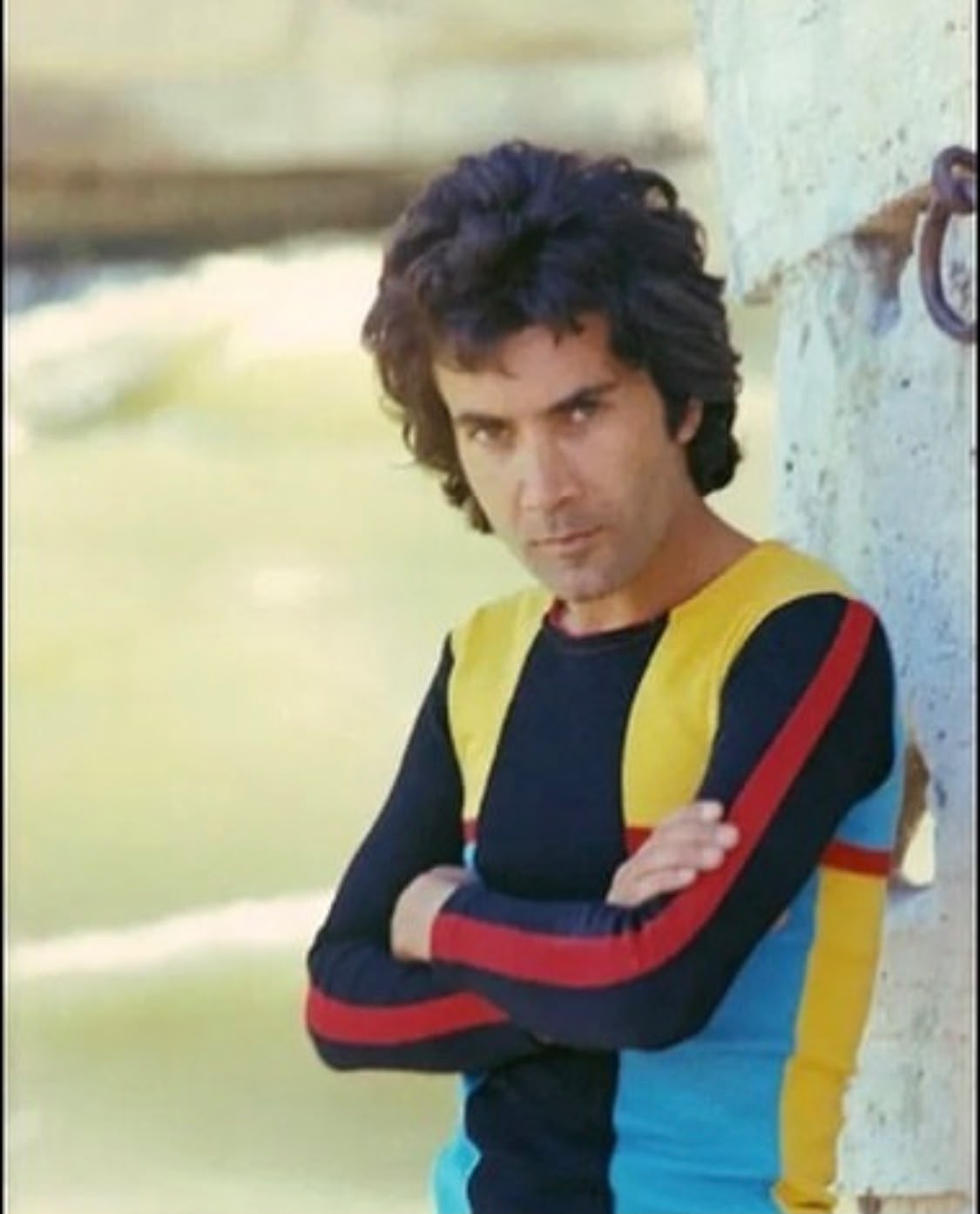
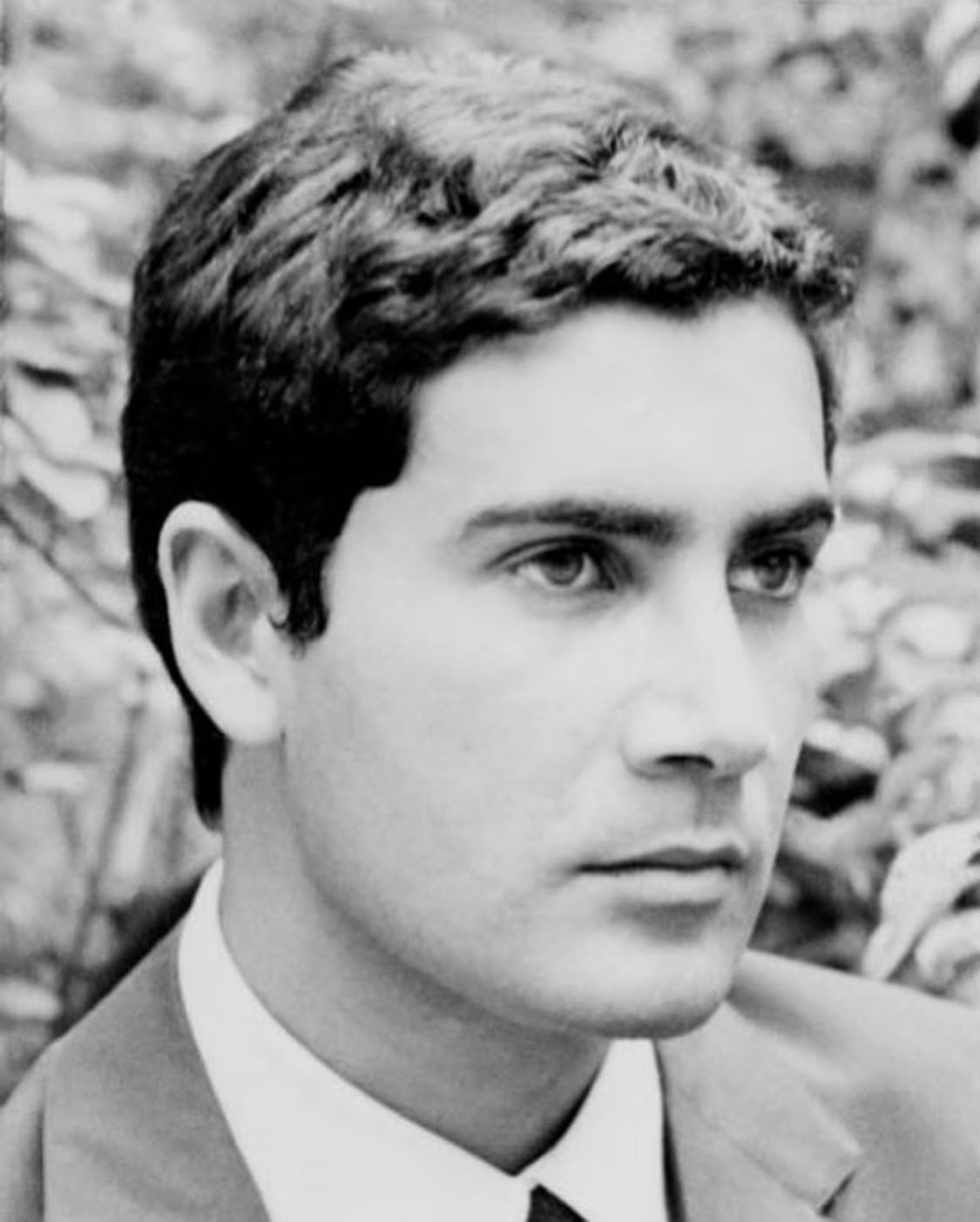
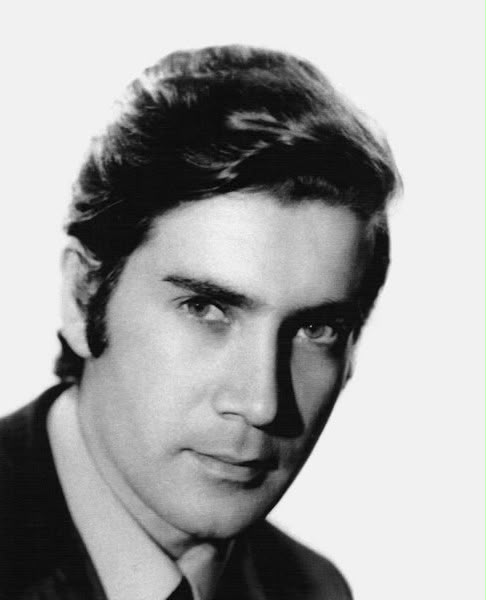
Khosrovani returned to Iran in 1966, where he played a key role in the cultural transformation of the country, starting in 1967, with the design of the Persepolis and Hafezieh illuminations for the inaugural Shiraz-Persepolis Festival of Arts.
He was instrumental in bringing renewed visibility to indigenous Iranian craftsmanship and fabrics in the 1960s and 1970s, working on the revitalization of such traditional techniques as 500-year-old Batik dyeing on silk fabrics known as “Kalageh’i” in the northwestern city of Osku (Eastern Azerbaijan); Isfahan’s “Ghalamkar” [block print] textile printing and “Cheshmeh-Douzi” needlework; Baluchistan’s “Souzan-Douzi” embroidery (with the help of Iranian textile and fashion designer Mehr-Monis Jahanbani); and “Zarbaft” [woven with gold] luxury brocade fabric.
For 13 years, he created the official wardrobe of Empress Farah Pahlavi and the royal family, working extensively with Iranian textiles, embroidery, and traditional crafts and adapting them to contemporary haute couture. Four of his creations, including the brocade dress worn by the Shahbanou during the Persepolis celebrations in 1971, subsequently entered the permanent collections of the Palais Galliera, Musée de la Mode de la Ville de Paris fashion museum.
Khosrovani was equally significant in establishing trend-setting fashion boutiques in Tehran: “Elegant 27” – a pioneering menswear fashion store tailored to young men which he opened with Kamran Diba in 1966 — followed by his own boutiques “Number One” and “Miss Number One.”

As an architect, Khosrovani’s most successful project was the “Mehmansaray-e Nayin” [The Inn of Nayin] – a famous historical guesthouse and hotel which he designed for the Ministry of Tourism in 1967 in the desert city of Nayin (Isfahan province) and built on the primary highway connecting the historic cities of Isfahan and Yazd, making it an essential rest stop for travelers exploring Iran’s cultural heartland.
Widely regarded as Khosrovani’s architectural manifesto, the guesthouse demonstrated how traditional Persian architecture could be adapted to serve modern lifestyles and needs: built by local craftsmen, its structure was inspired by the region’s historic desert architecture, uniquely combining new, environmentally friendly construction methods with earthquake-proof engineering.
He also designed a library for the Institute for the Intellectual Development of Children and Young Adults [Kanoon Parvaresh Fekri Koodakan va Nojavanan] in a disadvantaged area of Tehran, as well as the Villa Farmanieh — his family residence in Shemiran which has unfortunately been demolished. His work combined modern architectural thinking with a strong sensitivity to Iran’s vernacular traditions, climate, materials and craftsmanship.
His commitment to Iranian cultural heritage extended to historic preservation. In 1977, he organized an innovative street exhibition of architectural drawings as part of efforts to protect Oudlajan, one of Tehran’s historic districts, from demolition.
Even after permanently settling in Paris in 1978, Khosrovani continued to advocate for Iranian architecture and culture, designing a proposed Persian Shabestan for the Grand Mosque of Paris.
Khosrovani will be remembered as a pre-eminent figure in modern Iranian cultural history, one whose practice evolved between architecture and fashion, and which treated buildings, garments, interiors, lighting, and traditional craftsmanship as interconnected forms of cultural expression.