
By Nate Raymond
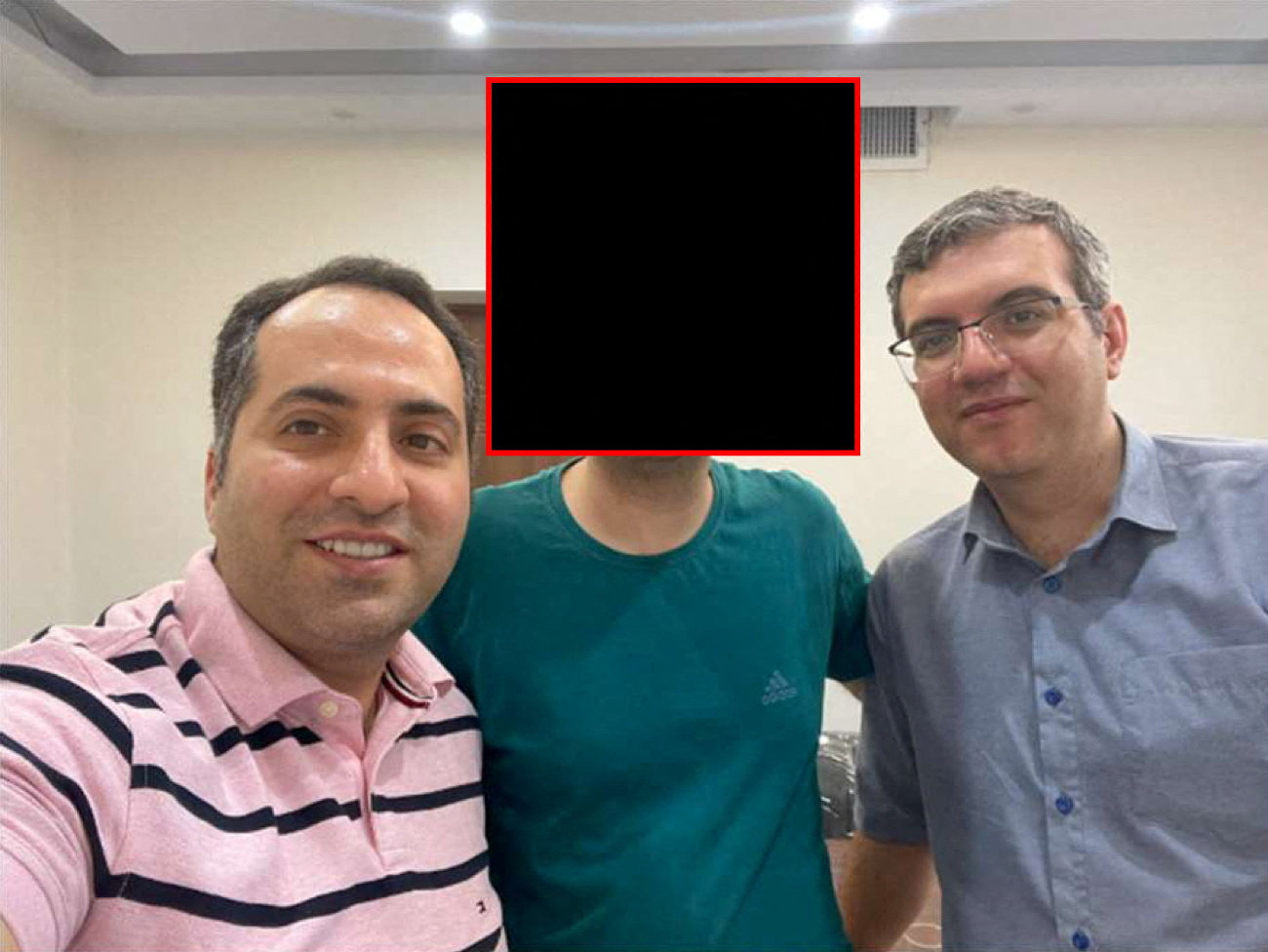
BOSTON, June 11 (Reuters) – A U.S. judge on Thursday allowed an Iranian-born engineer to be released on bail just days before his trial on charges that he conspired to illegally export technology to Iran that had potential application in military drones.
U.S. District Judge Indira Talwani in Boston had previously declined to release Mahdi Sadeghi, a dual U.S.-Iranian citizen, from custody, citing the risk he might flee to avoid trial.
But Talwani on Thursday said the situation had changed since Sadeghi, a former Analog Devices employee, was arrested in December 2024, pointing to the war in Iran, which began in February when the U.S. and Israel launched strikes.
She said the conflict made the prospect of Sadeghi and his family returning to Iran “less attractive” and that it would be difficult for him to do so.
“It is just a different political world,” she said.
US, Allies Condemn Iran’s ‘Lethal Plotting’ in Europe, North America and Australia
She noted that Sadeghi’s wife had made clear that she wanted their family to remain in the U.S., where they reside in Natick, Massachusetts, something Sadeghi would risk losing if he fled rather than contest the charges.
She ordered him released on Friday on a secured $500,000 bond subject to strict home detention with a GPS ankle monitor. His lawyer did not respond to a request for comment.
Sadeghi has pleaded not guilty to participating in a scheme to violate U.S. export control and sanctions laws by illegally procuring technology for Iranian businessman Mohammad Abedini.
Prosecutors say Abedini founded a company that counts Iran‘s Islamic Revolutionary Guard Corps as a client and made a navigation system used in Iran‘s Shahed drones.
Prosecutors say that navigation system was used in a drone that struck a U.S. outpost in Jordan called Tower 22, near the Syrian border, in a January 2024 attack by Iran-backed militants that killed three Army Reserve soldiers and injured 47 others.
Sadeghi’s lawyers say no evidence exists that any of the technology he is accused of exporting was found in any drone, and the judge in February barred prosecutors from introducing evidence about the Jordan drone attack at his upcoming June 22 trial to avoid “unfair prejudice.”
Sadeghi is slated to face trial alone after Italian officials last year released Abedini, who had been awaiting extradition to the United States, following the detention by Iran of an Italian journalist it also released.
(Reporting by Nate Raymond in Boston; Editing by Sanjeev Miglani)