Artist: Ahmad Barakizadeh
By Kayhan Life Staff
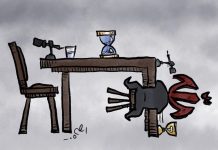
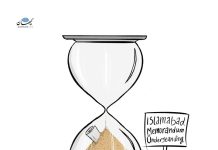
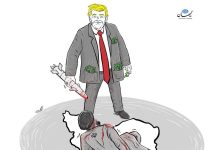
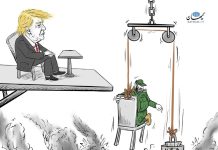
Britain, France, and Germany have activated the snapback clause in Resolution 2231, setting a 30-day clock for the return of U.N. sanctions on the Islamic Republic. Negotiators claim time remains; Tehran’s markets already act as if the bill has come due.
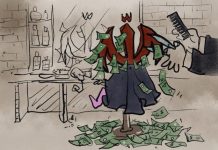
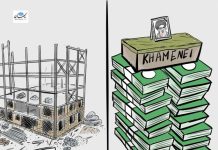
Once, before the revolution, a dollar fetched seven tomans. Now the Chamber of Commerce—grimly comic in its projections—offers “optimistic” charts with the dollar at 115,000, inflation at 60 percent, and unemployment in double digits. Its “pessimistic” chart reads like economic trench notes: the rial collapsing to 165,000, inflation at 90 percent, GDP shrinking 3 percent, unemployment at 14, and the stock market sawed in half.
Add banking lockouts, uninsured shipping, and investors bolting, and the outlook resembles a fire drill in slow motion.
Markets hardly waited. The dollar burst through 100,000 tomans, gold set records, and merchants whispered “snapback” as if it were a seasonal flu.
The regime’s answer: “media therapy.” Hamshahri dismissed the Chamber’s alarm as “fearmongering,” insisting the Islamic Republic has built clever detours since the last sanctions round. A hollow boast—the dollar jumped 10,000 tomans overnight, gold by another 10 million.
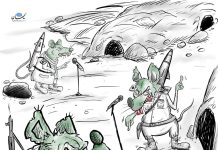
The Foreign Ministry produced ritual outrage, warning Europe’s move would undercut cooperation with the International Atomic Energy Agency. Parliamentarians, less restrained, lunged for the microphone.
Hamid Rasaee, cleric with a gavel—having already barred inspectors and declared Rafael Grossi and the IAEA persona non grata—now wants the ambassadors of Britain, France, and Germany expelled, promising to script it as a parliamentary motion, as if diplomacy were a landlord’s eviction notice.
Others aimed higher: bills to abandon the Nuclear Non-Proliferation Treaty, and boasts that the Islamic Republic’s navy could steam into missile range of Washington.
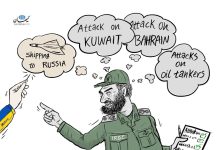
From the Supreme Leader’s own mouthpiece, Kayhan in Tehran thundered: “The West understands only the language of force, and the Islamic Republic must, through decisive measures—from withdrawal from the NPT to restrictions in the Strait of Hormuz—prove that the enemy’s threats will not go unanswered.”
The irony is complete: while Khamenei’s office warns citizens not to “fill the enemy’s magazine” with careless talk, his paper loads the chamber with threats.
And so the theatre drags on. Markets quake, sanctions loom, officials prescribe therapy, and gold and the dollar climb.
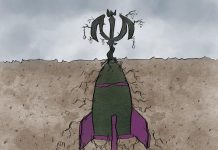
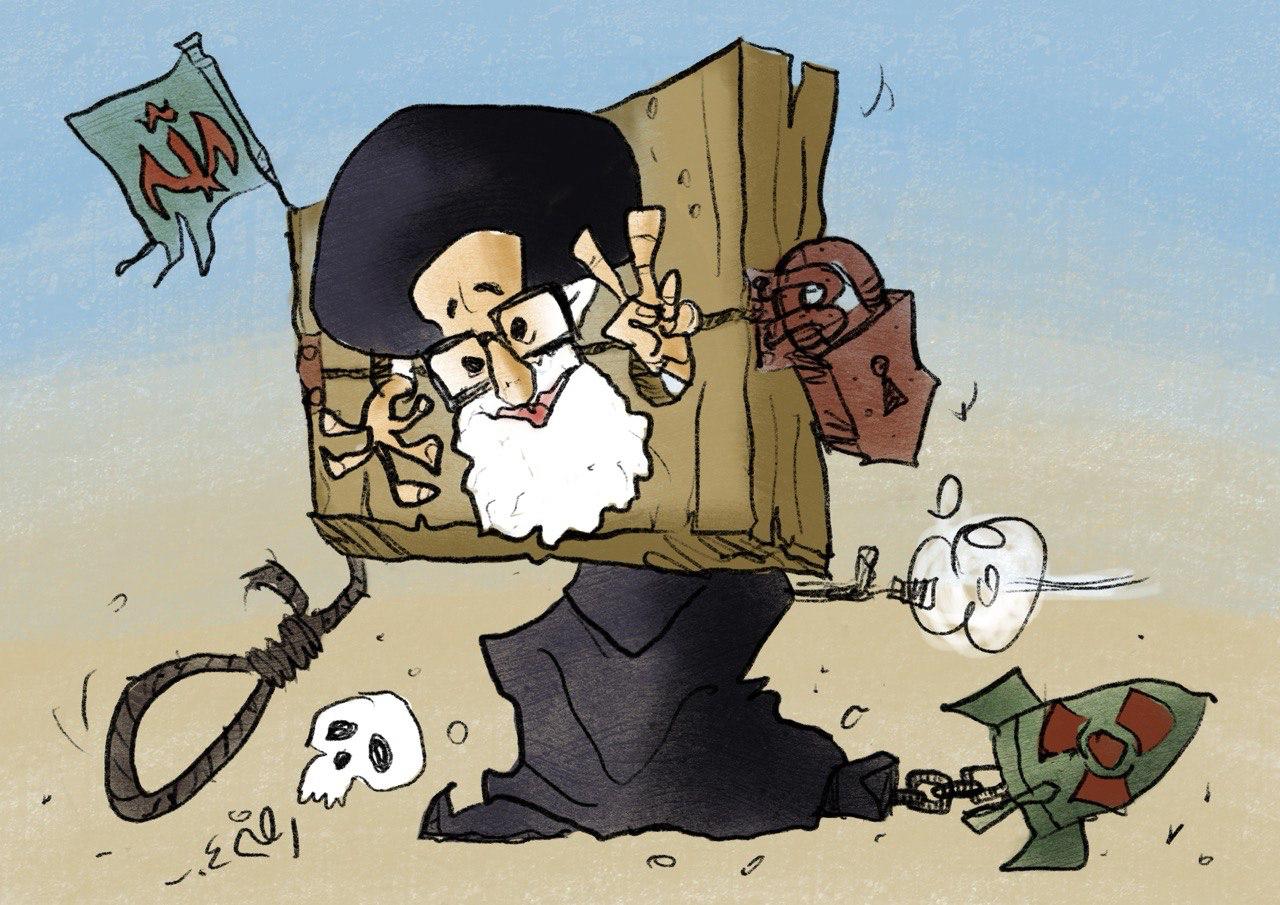
Head and hands tied by his own decrees, Khamenei blows against the gale—hot air as the Supreme Leader’s final shield against a storm of his own design.