By Kayhan Life Staff
Amid ongoing economic turmoil and rising inflation, Iranian families are increasingly turning to desperate survival strategies to make ends meet.
According to a sociologist, in times of stagflation — a toxic mix of inflation and economic stagnation — household incomes shrink drastically, forcing families to mobilize all available resources, including sending women and even children into the labor force.
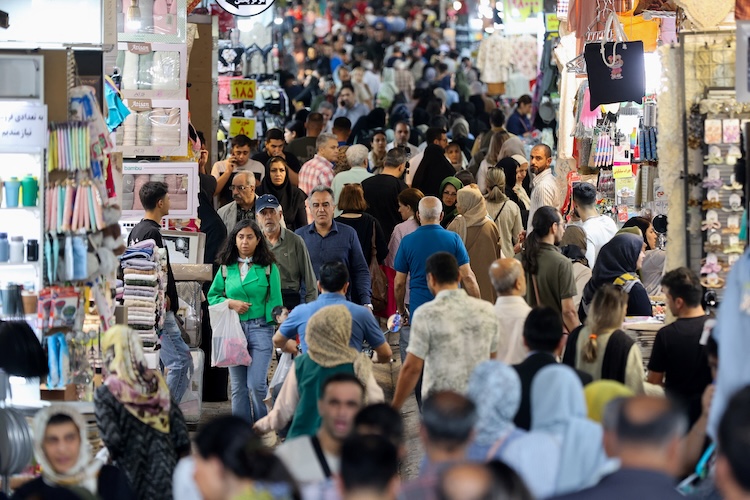
Multiple reports show worsening poverty and growing hardship for a large segment of the Iranian population. The sharp spread of poverty has all but wiped out Iran’s middle class. Analysts now estimate that nearly two-thirds of the population lives below the poverty line.
Government-released data indicates that inflation in September 2025 soared to 45.3 percent, setting a new record.
This surge in inflation — combined with a deepening recession and widespread layoffs — has pushed more people below the poverty line and increased the number of households living in absolute poverty.
ANALYSIS: Iranian Workers Are Driven Into Poverty by Mass Layoffs, Low Pay
Government relief efforts — such as cash subsidies or ration coupons — have proven insufficient to meet basic needs.
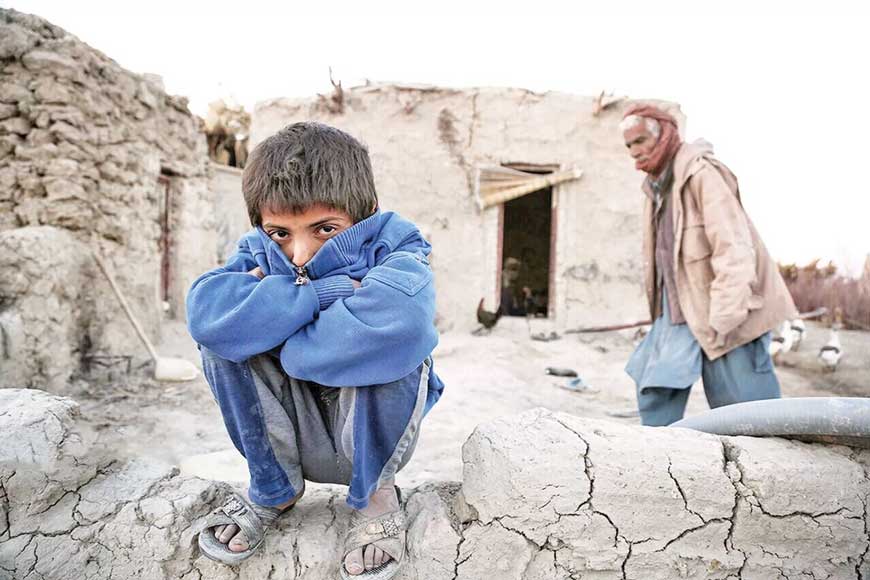
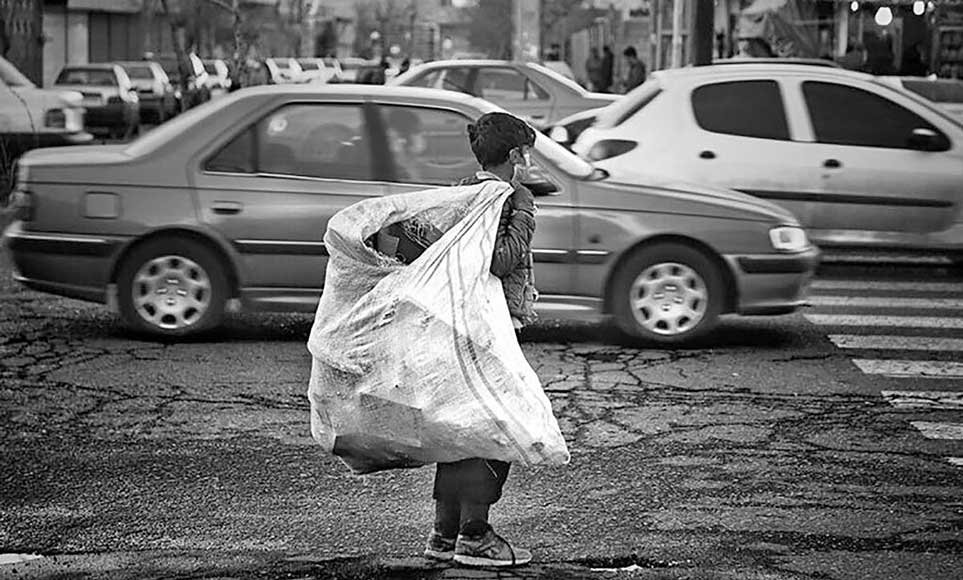
As a result, families have resorted to extreme cost-cutting and income-generating measures. One disturbing trend is the growing number of children entering the informal labor market, leading to a spike in school dropouts.
Speaking to the Tehran-based Seratnews, housing sector expert Majid Goodarzi noted that the crisis is particularly severe among tenants.
“Based on official statistics from the government, poverty and absolute poverty are rising among the country’s renting population,” he said.
“In some provinces, poverty among tenants has reached 80 to 90 percent,” he added. “On average, between 50 and 70 percent of household income is spent on housing.”
Goodarzi stressed the urgent need for comprehensive housing policies and stronger oversight to protect low-income families.
Many experts argue that the government could have curbed inflation by cutting wasteful spending and adopting more responsible fiscal policies.
In an interview with the Tehran-based Fararu News, economist and professor Morteza Afghah of Gondishapur University in Khuzestan criticized the government’s response since the U.S. intensified sanctions in 2018.
“When sanctions eliminated at least half of our budgetary revenues by cutting off oil income, the government should have focused on reducing unnecessary spending,” Afghah argued.
“Instead, it resorted to selling state assets, privatizing companies, issuing bonds, and borrowing from the Bank Markazi (the Central Bank of the Islamic Republic of Iran) — essentially pulling money from people’s pockets and worsening inflation.”
He also condemned the use of the National Development Fund of Iran (NDFI), calling it a short-sighted policy.
“That’s spending the earnings of future generations — using up what was already gained from oil sales,” he noted.
Afghah questioned why budget cuts have not targeted inefficient or unnecessary state institutions.
“Rather than addressing bloated expenses, the government turned straight to the Central Bank to fill its budget gaps,” he explained.
In an interview with the Tehran-based Eghtesad News, sociologist Hossein Imani Jajarmi said that under current economic conditions, survival often means abandoning social taboos.
“When families can no longer afford food, red lines are crossed,” he said.
“We are seeing children sent to work. In disadvantaged regions like Sistan and Baluchestan or southern Kerman, there are even reports of child trafficking.”
Jajarmi also pointed to the increasing number of women entering informal employment.
“With rising divorce rates and children typically staying with the mother, many women — often with limited education or skills — are forced to work in the informal sector as street vendors or subway sellers. We lack adequate support programs for these women,” he explained.
He argued that the failure of government assistance, the declining value of subsidies, and the lack of economic opportunity are fueling the normalization of such survival strategies.
Criticizing government handouts and short-term aid packages, Jajarmi remarked:
“It is like the house is on fire, and instead of putting it out, we are just pouring water on the flames. We need real welfare policies that address urban poverty, housing, education, and jobs.”
He warned that unless there is a structural shift in economic policy and a redistribution of resources, urban poverty will only deepen.
“Municipal initiatives might offer short-term relief, but they will not fix anything in the long run. The root issues must be addressed through serious reforms,” Jajarmi noted.
“These communities are not the same as they were 50 years ago. They are aware and increasingly vocal. They do not want short-term aid or symbolic gestures. They want lasting change,” he concluded.