By Kayhan Life Staff
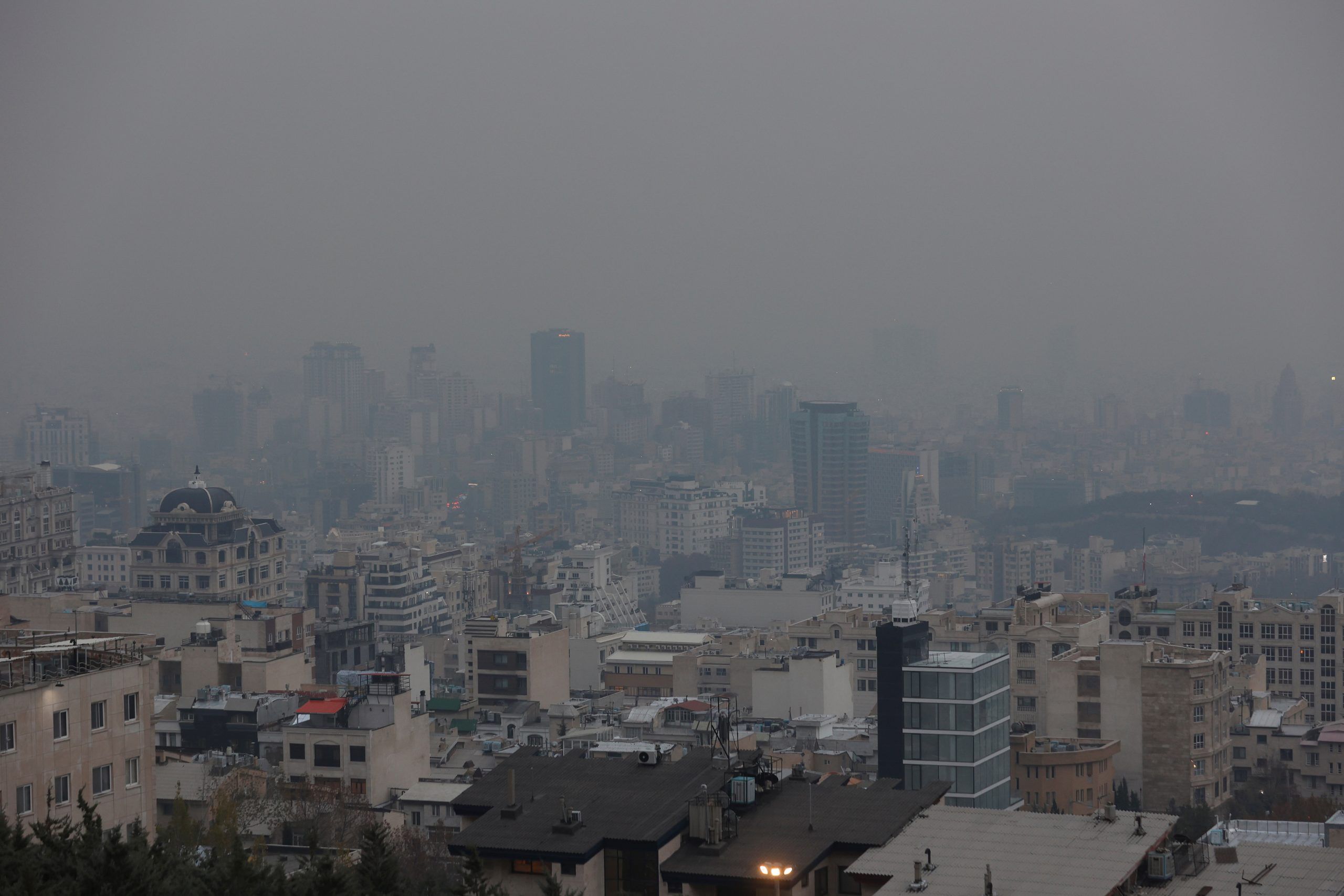
A wave of influenza intensified by severe air pollution forced authorities across Iran to shut schools and government offices from Dec. 6 to 8.
The Health Ministry said stagnant, soot-laden air has hastened the spread of the virus. While the Meteorological Organization issued orange alerts for dangerously high levels of pollutants in major cities, including Tehran, Karaj, Isfahan, and Mashhad, authorities warned that air quality could reach hazardous levels. They recommended reducing fossil fuel use, controlling industrial emissions, limiting travel, and avoiding outdoor activities.
Influenza infections have climbed steadily nationwide. The virus accounted for roughly 36 percent of circulating respiratory illnesses, with hospitalizations for symptomatic patients exceeding the ministry’s warning threshold by a factor of four, according to data released by the government in early December. Several provinces — among them South Khorasan, Qazvin, Khorasan Razavi, Isfahan, Sistan and Baluchestan, Tehran, and Hamadan — reported infection rates well above seasonal norms. Health officials said the dense pollution may be amplifying transmission by as much as tenfold.
Doctors warned that, beyond remaining indoors, residents have few defenses, as the widely available masks do little to filter the fine particles blanketing cities. The continuing circulation of the coronavirus has added another layer of risk.
Multiple provinces moved schools, universities, and childcare centers online. Tehran, Isfahan, Kurdistan, Hormozgan, Chaharmahal and Bakhtiari, Alborz, and Golestan adopted various forms of remote instruction and authorized eligible government employees to work from home.