Inflation in Iran Is Causing Malnutrition and Food Insecurity, Data Shows
By Kayhan Life / London Staff
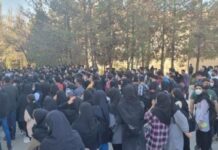
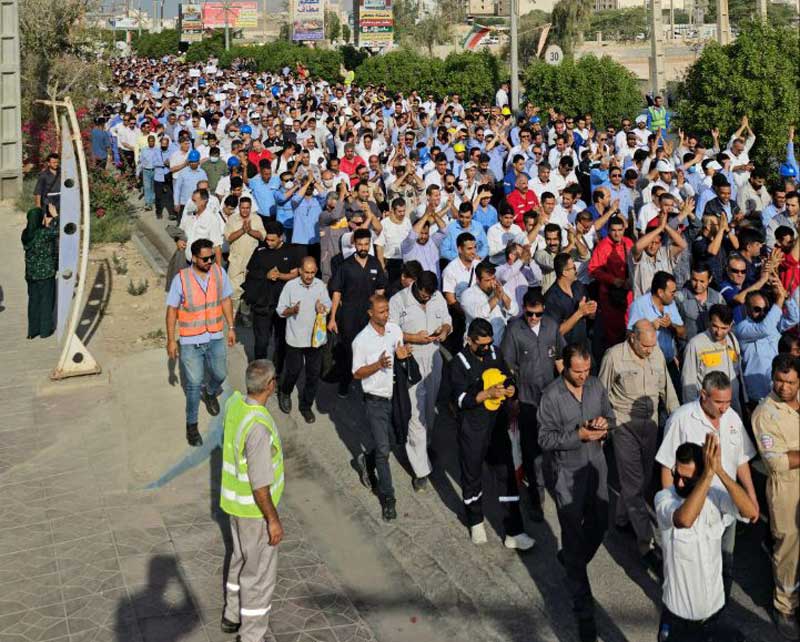
Thousands of contract workers from South Pars—joined by their families—mounted one of the largest labor demonstrations the Iranian oil sector has witnessed in years, gathering in the southern port city of Asaluyeh on Tuesday, Dec. 18. At least 5000 workers were estimated to have participated, marking a significant moment in Iran’s evolving labor movement.
Protesters first assembled in Asaluyeh’s Soleimani Square before marching toward the governor’s office. The Coordinating Council of Contract Oil Workers’ Protests said that although the security forces had closed all access roads, by 9 a.m., thousands had already converged. Observers described the crowd as “rare in the recent history of Iran’s labor mobilizations.”
Chants of “End the exploitation,” “Our share is missing,” and “Stealing workers’ rights is a betrayal of the nation” echoed throughout the march.
Tuesday’s demonstration follows months of escalating unrest, including a refinery walkout on Oct. 27 and a protest of more than 3,000 workers outside South Pars headquarters on Nov. 10. The Boushehr Gas Refineries Workers’ Union formally announced the latest action on Dec. 2.
Workers are demanding updated job classifications and wage systems, a two-week-on/two-weeks-off schedule, clear status for outsourced drivers, stronger oversight of safety staff, payment of camp allowances, and reliable air transport for commuting contract workers.
The labor outlet ILNA reported last week that many pledges made to workers over the past year remain unfulfilled. According to Alireza Mirghaffari, head of the Boushehr Gas Refineries Workers’ Union, only minor commitments were addressed, while systemic issues persist.
Mirghaffari noted that last year’s weekly demonstrations prompted meetings with senior officials at the oil ministry, who requested a three-month review period. Workers agreed, he said, “in good faith,” hoping for long-awaited reforms to wage and welfare disparities. When that deadline expired, renewed protests were postponed amid what authorities described as “the country’s sensitive wartime conditions” — yet no substantive response ever followed.
He added that a promised monthly labor working group in the Pars Special Economic Zone convened only once despite assurances of continued dialogue.
After years of stalled negotiations, workers say they have reached a breaking point. Their message now is explicit: without concrete reforms, they will remain in the streets.