By Olivia Le Poidevin
GENEVA, June 23 (Reuters) – Iran alone will decide how to use assets that are unfrozen under a deal with the United States, an Iranian envoy said on Tuesday, denying Washington would have any control over the funds or that they must be used to buy U.S. commodities.
The U.S. waived sanctions on Iran for 60 days from Monday after the talks in Switzerland on turning an interim deal into a lasting peace agreement. Frozen Iranian assets worth about $12 billion are expected to be released under the initial accord.
Vice President JD Vance said on Monday the U.S. and Qatar would have control over the funds when they are unfrozen, and that the money could be spent on U.S. corn, soy and wheat.
Ali Bahreini, Iran‘s ambassador to the United Nations in Geneva, said on Tuesday the two sides had held “very good talks” but challenged Vance’s statement on use of the assets.
“Iran is the only country to decide what to do with its assets, which are going to be defrozen, and so I reject any claim about that if there would be any role for any other country to have an influence on those decisions or on those processes,” Bahreini told reporters in Geneva.
EXCLUSIVE: Iran Deal Includes $300 Billion Fund, More Than Half Already Committed, Source Says
He said two working groups would be established in the coming days to discuss the removal of sanctions against Iran and issues related to Iranian nuclear activities.
Iran’s frozen assets largely consist of oil revenues and central bank reserves trapped overseas, built up over years of sanctions.
Bahreini said there would be some technical arrangements made by Washington and Doha, because the assets were frozen by the U.S., and some are in Qatar.
“Certainly Iran does not allow them to have further influence on the other processes, which have been related to buying the commodities and importing them. That is something that Iran, and only Iran, will decide,” he said.
LEBANON A ‘RED LINE’
Bahreini said the lifting of sanctions on the sale of Iranian oil and chemical products was a test which could be extended to other items and that Iran sought the complete removal of sanctions.
Bahreini also underlined the importance to the U.S.-Iranian deal of fighting ending in Lebanon, where U.S. ally Israel has been battling Iran-aligned Hezbollah militants.
“Iran‘s ‘red line’ is any more attack against Lebanon,” he said, urging Washington to “use all its leverage” on Israel to halt the violence.
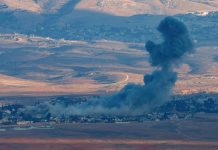
A ceasefire has largely held in southern Lebanon since Sunday, but Lebanon’s Civil Defence and state media said Israeli gunfire had killed two people there on Tuesday. Hezbollah said the incident violated the ceasefire.
The Israeli military said it had “struck armed terrorists who posed an immediate threat” to soldiers in southern Lebanon, but it was not clear if this was the same incident.
(Reporting by Olivia Le Poidevin; additional reporting by Humeyra Pamuk and Dave Graham in Buergenstock, Laila Bassam in Beirut and Reuters bureaus and Maya Gbeily and Tom Perry in Beirut, Editing by Sharon Singleton and Timothy Heritage)