
By Nazanine Nouri
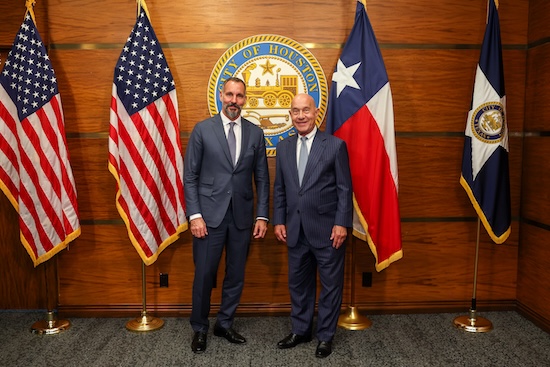
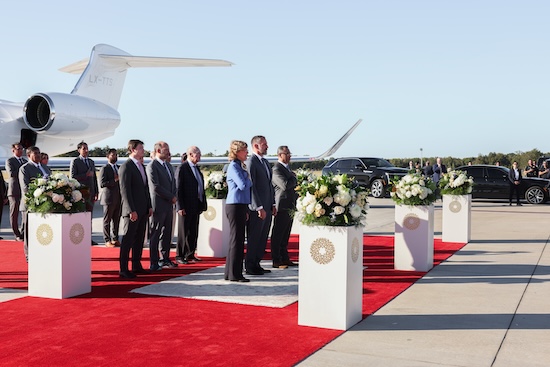
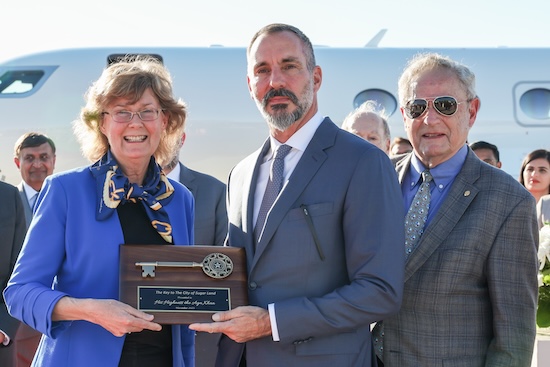
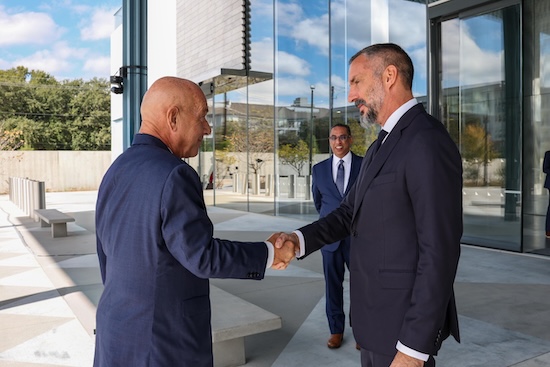
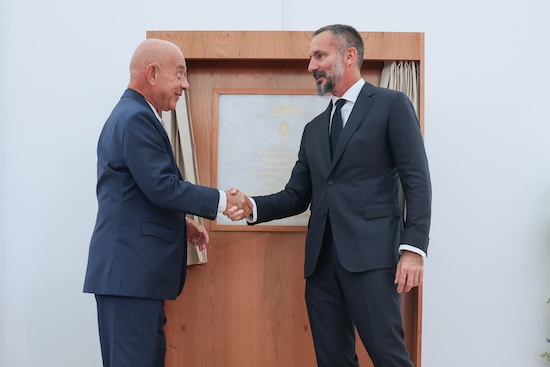
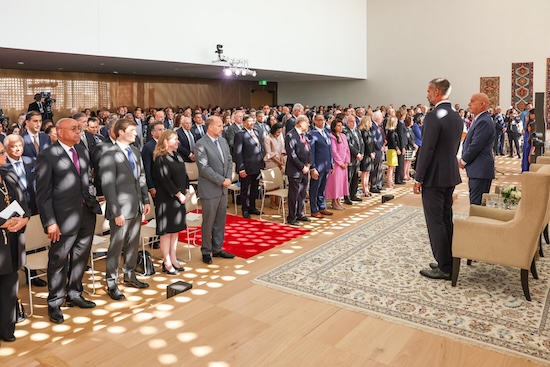
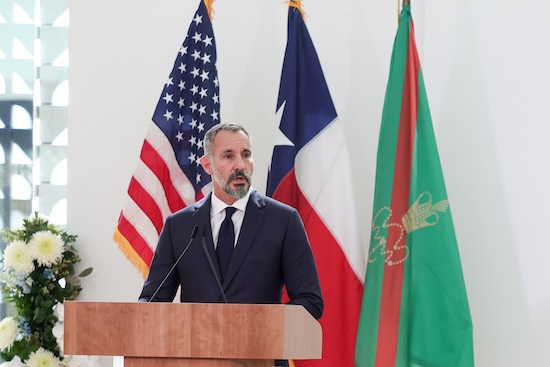
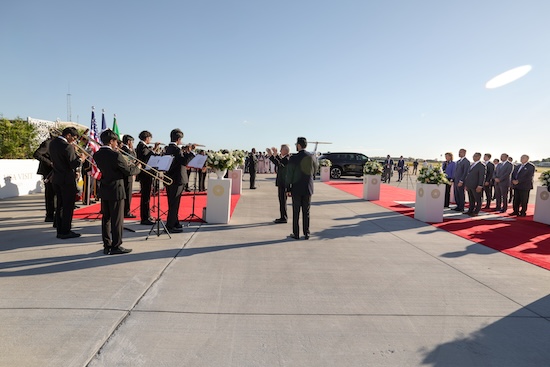
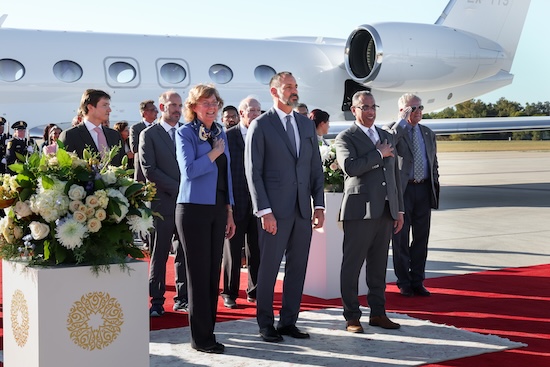
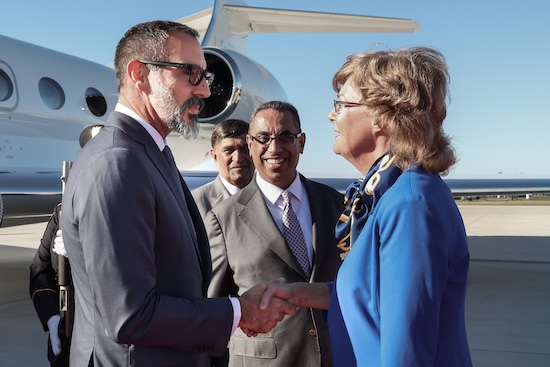
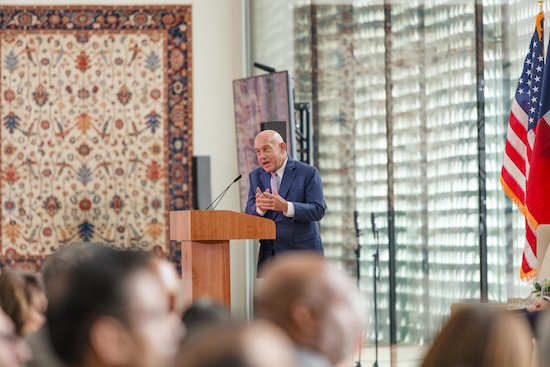
The first Ismaili Center in the United States was formally inaugurated on November 6th in Houston by Mayor John Whitmire in the presence of His Highness Prince Rahim Aga Khan V — the spiritual leader (Imam) of the world’s Shia Ismaili Muslims — as a place for spiritual reflection, cultural exchange and public dialogue.
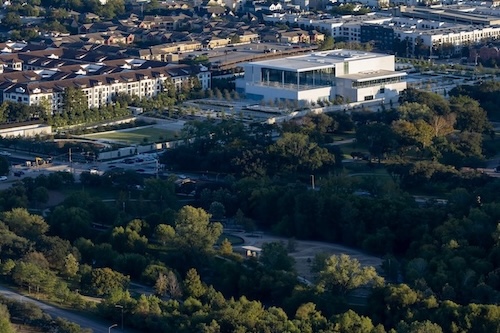
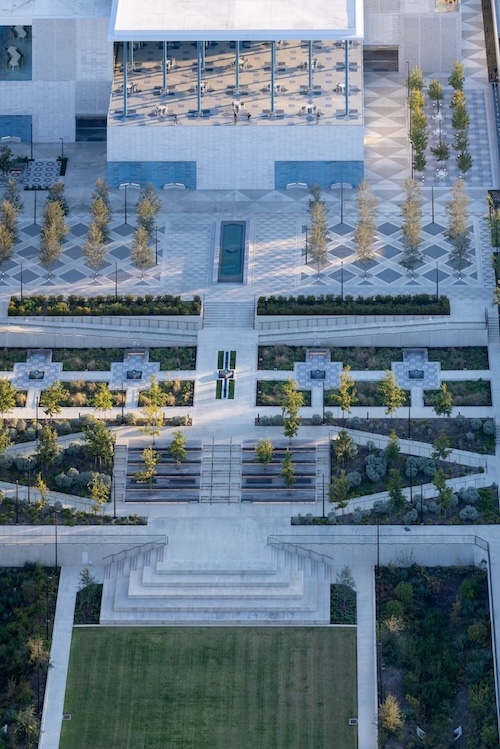
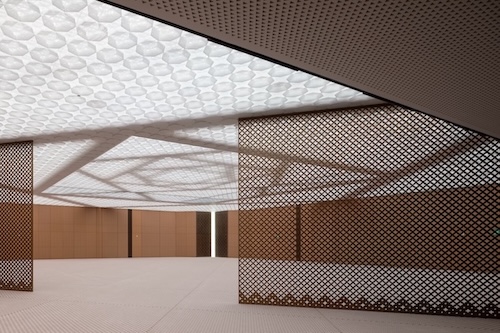
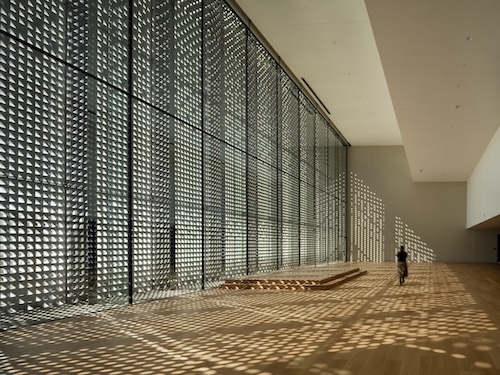
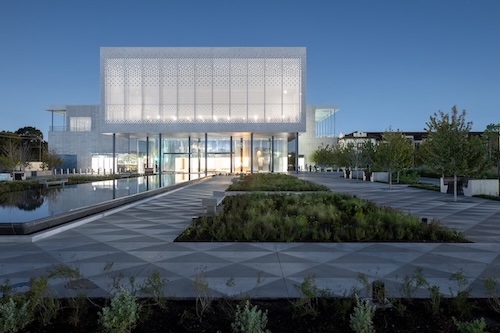
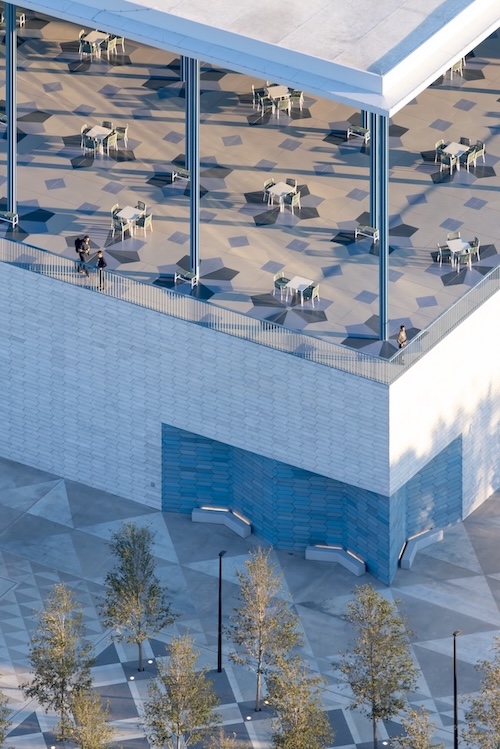
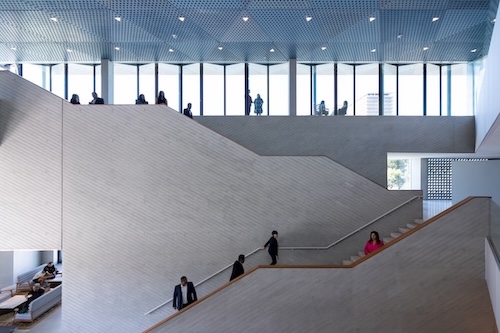
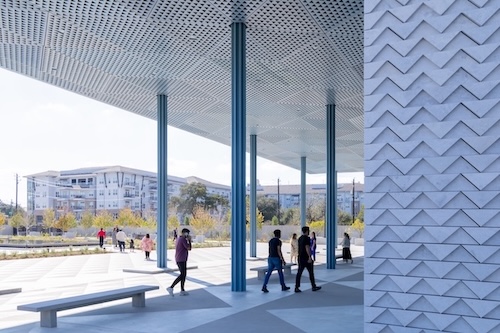
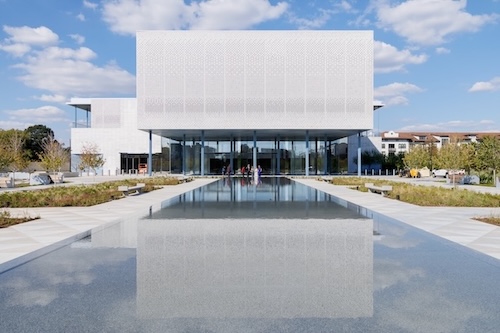
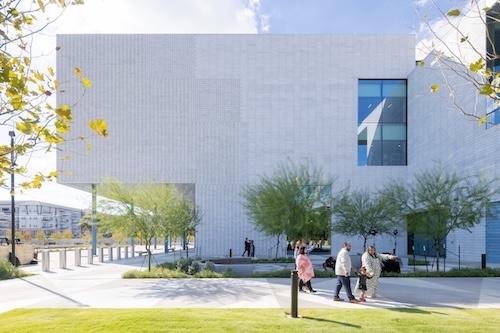
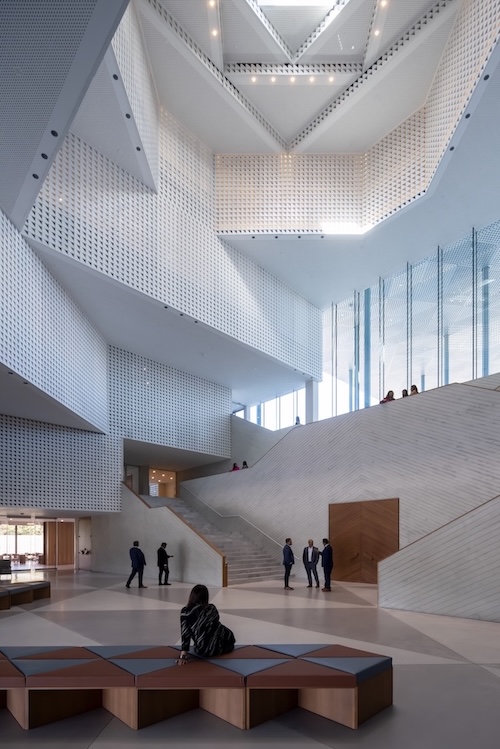
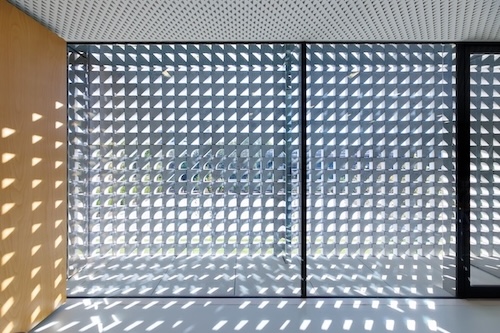
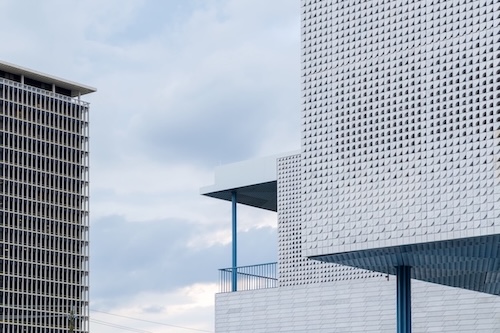
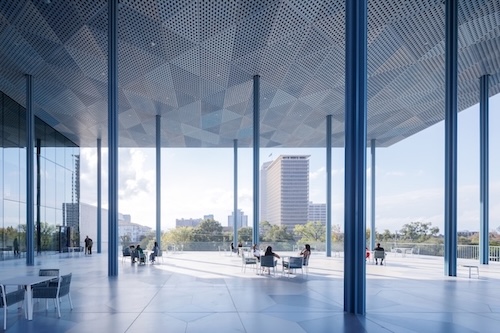
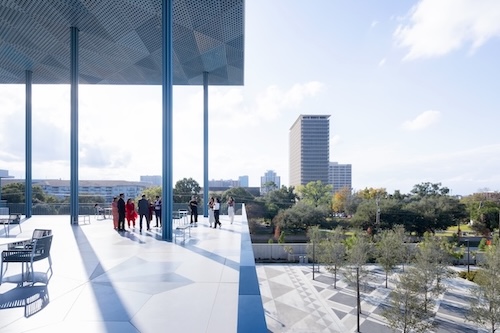
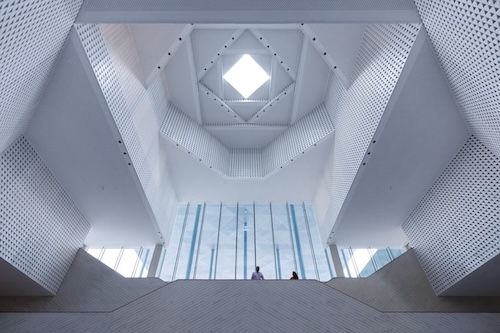
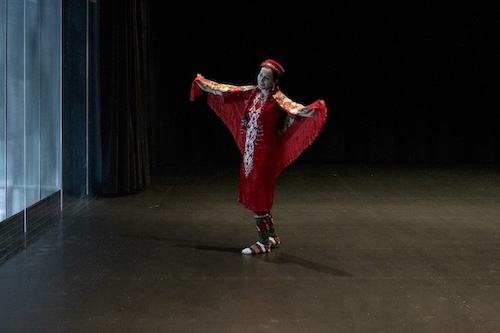
The Houston center is designed by the British-Iranian architect and Harvard University Professor Farshid Moussavi. It joins the Ismaili Centers in London (1985), Vancouver (1985), Lisbon (1998), Dubai (2008), Dushanbe (2009) and Toronto (2014).
Houston has one of the largest Ismaili Muslim communities in the United States, with more than 40,000 members. The Ismaili Muslims are a community of Shia Muslims living across more than 70 countries, known globally for their commitment to pluralism, social progress and service to the societies in which they live. They are guided by a hereditary Imam, His Highness Prince Rahim Aga Khan V, who succeeded his father, Prince Karim Aga Khan IV, who passed away earlier this year.
“The relationship between Ismailis and the communities in which they live have always been grounded in understanding and common purpose,” said Prince Rahim Aga Khan V during the inauguration ceremony. “Today, we honor that tradition, extending the hand of friendship to all, regardless of background and faith.”
“This building may be called an Ismaili Center,” he added, “but it is not here for Ismailis only. It is for all Houstonians to use; a place open to all who seek knowledge, reflection and dialogue.”
The 11-acre site, including more than nine acres of gardens and courtyards overlooking Buffalo Bayou Park, fulfilled a long-held vision of Prince Karim Aga Khan, who purchased the land in 2006.
The center was conceived as a place of religious congregation for the Ismaili community with a Jamatkhana (prayer hall), as well as a welcoming space for the wider community. It will feature programs in education, art, music, performance and conversation that aim to create a community of people from all backgrounds.
The Center has a 150,000-square-foot, five-story building designed by London-based Farshid Moussavi Architecture (FMA), and landscaped gardens designed by Nelson Byrd Woltz Landscape Architects that have tree-lined promenades, shaded terraces and fountains.
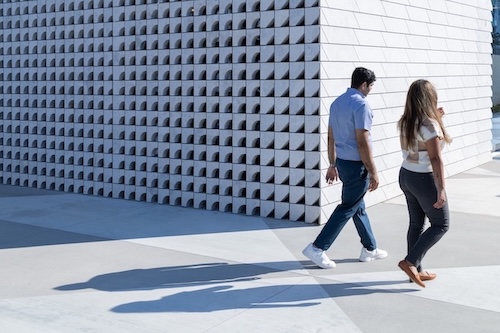
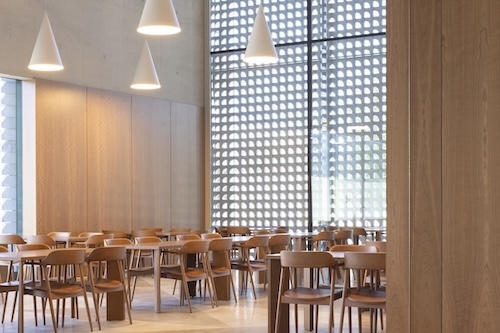
The Center’s contemporary design took inspiration from the rich Persian architectural heritage of eivan [verandas], ceramic mosaics and mashrabiya latticed stone screens that temper light. FMA’S founder, Moussavi, is an Iranian-born and internationally acclaimed architect who is also a Professor in Practice of Architecture at the Harvard University Graduate School of Design.
“Our project has been about using architectural instruments, such as geometry and the use of light, order, repetition and structure as ways to create certain kinds of spatial experiences,” she told The Guardian on November 20th.
Moussavi was appointed Officer of the Order of the British Empire (OBE) in recognition of her services to architecture in 2018. She was Chair of the Master Jury of the Aga Khan Award for Architecture in 2004, and served as member of the Award’s Steering Committee until 2015. She has been a visiting professor at UCLA, Columbia, and Princeton universities as well as at several architecture schools in Europe.
The Ismaili Center, Houston is the culmination of more than a decade of research into the landscapes of the Muslim world for Nelson Byrd Woltz Landscape Architects. Thomas Woltz was engaged in 2011 by Prince Karim Aga Khan IV to conduct a yearlong study across historic sites in Spain, Egypt and India to gain insight into the spatial, sensory, and cultural dimensions of Islamic gardens: the sound of water, the scale of walls, the rhythm of geometry, and the symbolism of enclosures.
The site’s gentle slope toward the Buffalo Bayou was specifically selected, as its topography echoes that of ancient Persian gardens leading down to a river. Thomas Woltz designed a system of terraced lawns and reflecting basins, and with the help of the London-based AKT II structural engineering firm, ensured the alignment of paths, fountains and trees to give the site an eastern feel.