By Fred Parvaneh
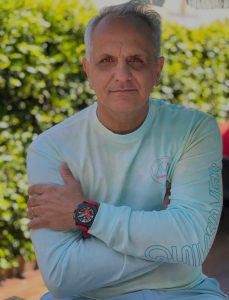
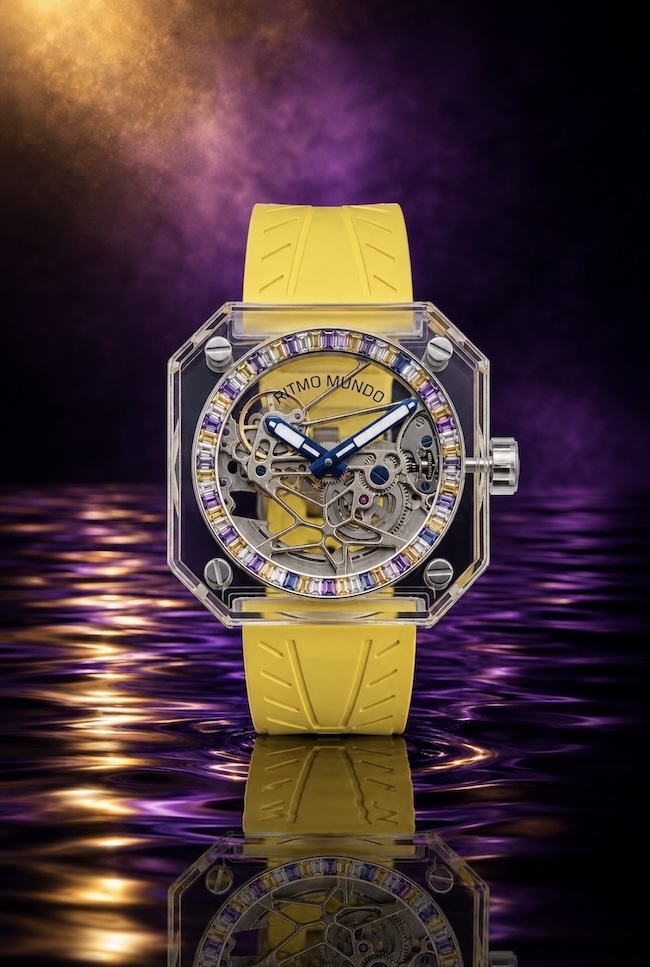
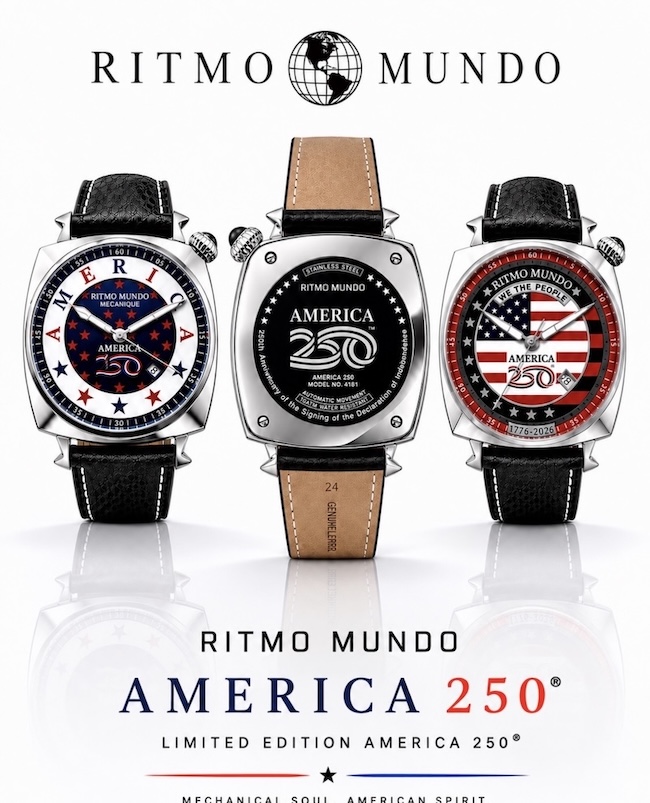
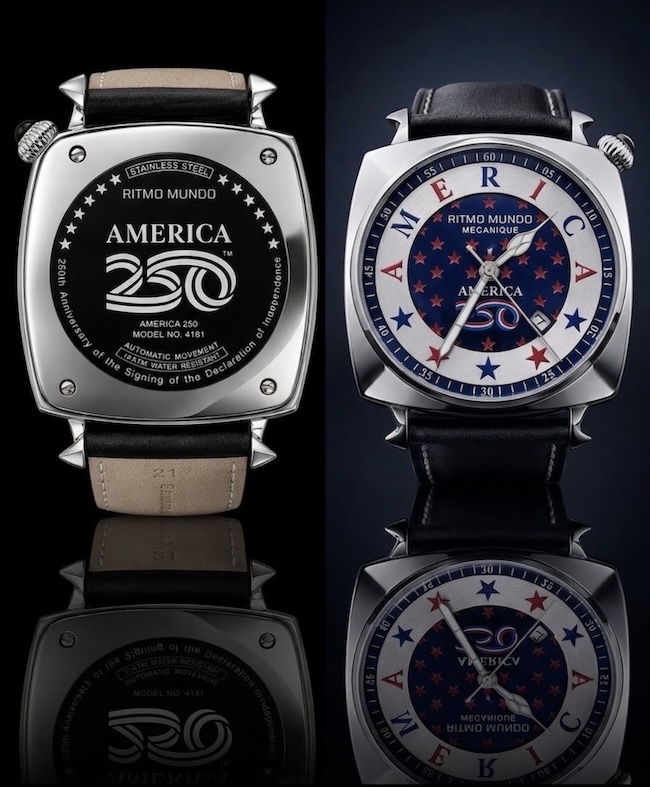
Ritmo Mundo, the Beverly Hills based independent watch brand founded by Ali Soltani, has been selected as an Official Timepiece Licensee of America250™️, and is marking the occasion with a new Limited Edition America 250 watch.
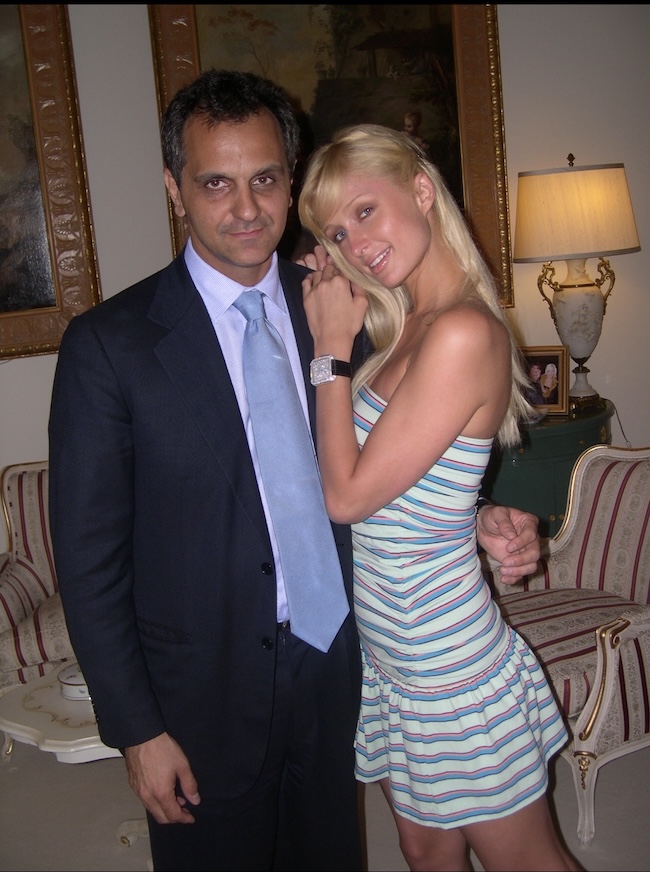
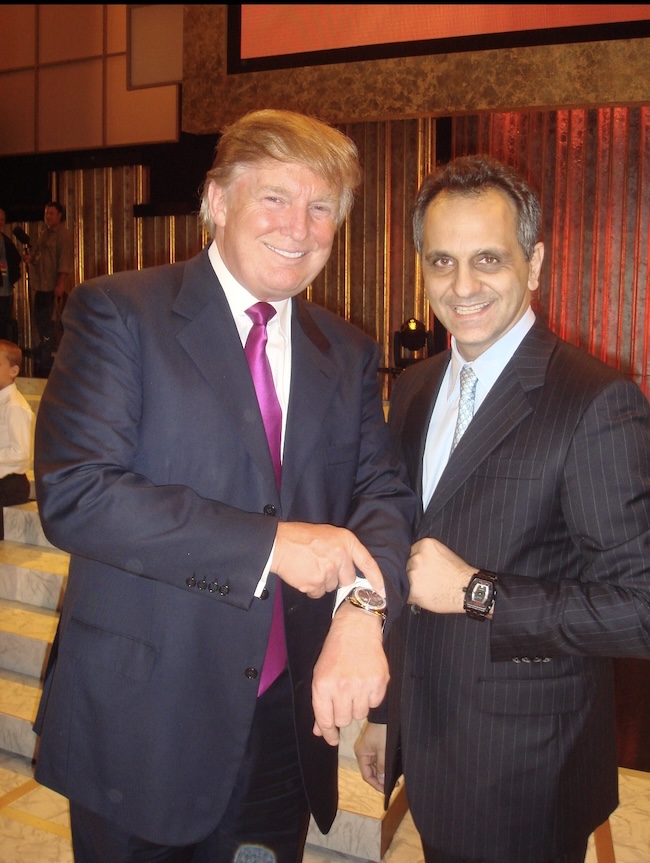
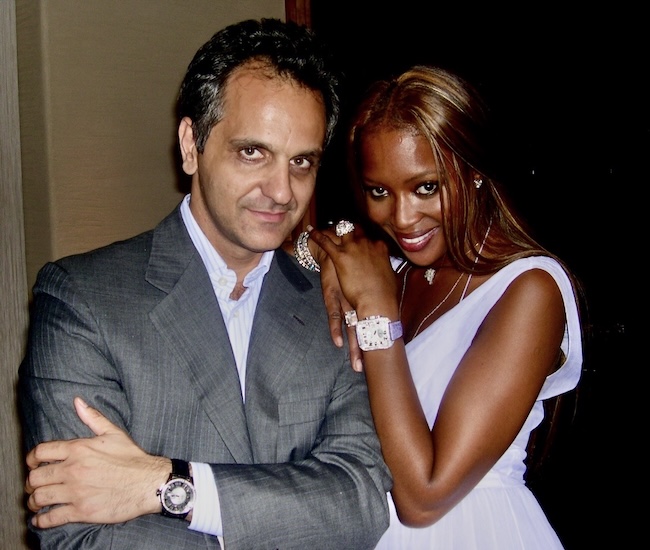
The designation caps more than two decades of work for Soltani, who moved from a legal career and leadership role at the Rodeo Drive retailer David Orgell into building one of the longest-standing independent watch companies in the United States — one whose clientele has included numerous Hollywood celebrities and that has been featured across a wide range of television shows, films, sporting events, and organizations.



Kayhan Life recently spoke to Ali Soltani about his brand’s selection for America250,
Ritmo Mundo was selected as an Official Timepiece Licensee of America250™️. What does that distinction mean to you? How did the relationship with America250 begin, and what qualities do you believe distinguished Ritmo Mundo from other watch brands?
I emigrated with my family in 1971, and virtually everything that shaped my adult life—my education, my career as an attorney, my experience in the luxury industry, and ultimately the creation of Ritmo Mundo—occurred in the United States. To have a company that I founded participate in commemorating 250 years of America is therefore both a professional honor and a deeply personal one.
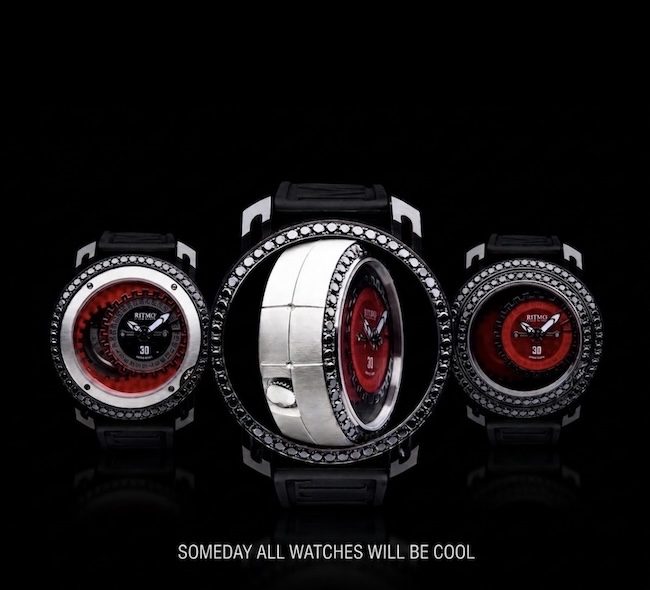
I believe what distinguishes Ritmo Mundo’s brand is our independent approach to watchmaking in contrast to the traditional domestic and Swiss international brands. Since founding the company in 2002, we have never attempted to emulate a traditional watch company. Our watches have consistently incorporated color, architecture, unconventional case construction, transparency, and a distinct California energy. We respect watchmaking tradition but are not intimidated by it. Driven by a sense of coolness is the fundamental DNA of the brand.
America itself is an experiment founded upon reinvention. In that context, I believe an independent company founded by an immigrant, who has embraced America and been influenced by diverse cultures, was an appropriate participant in this historic anniversary of the United States.
As an Iranian-born entrepreneur creating an official timepiece for America’s 250th anniversary, do you see this commission as a culmination of your own immigrant story?
Yes, indeed. The immigrant experience is fundamentally about possibility. One arrives in a country where much is unfamiliar, yet also with the belief that one’s future has not yet been determined. Over five decades later, to have something I created become associated with the 250th anniversary of the country that provided my family with that opportunity is truly extraordinary.
I do not perceive being Iranian and being American as mutually exclusive identities. One of the significant advantages of America is that one does not necessarily need to erase their cultural background to become an integral part of their future. My Persian heritage remains an integral aspect of my identity, while America provided the environment that enabled me to build my life and acquire opportunities.
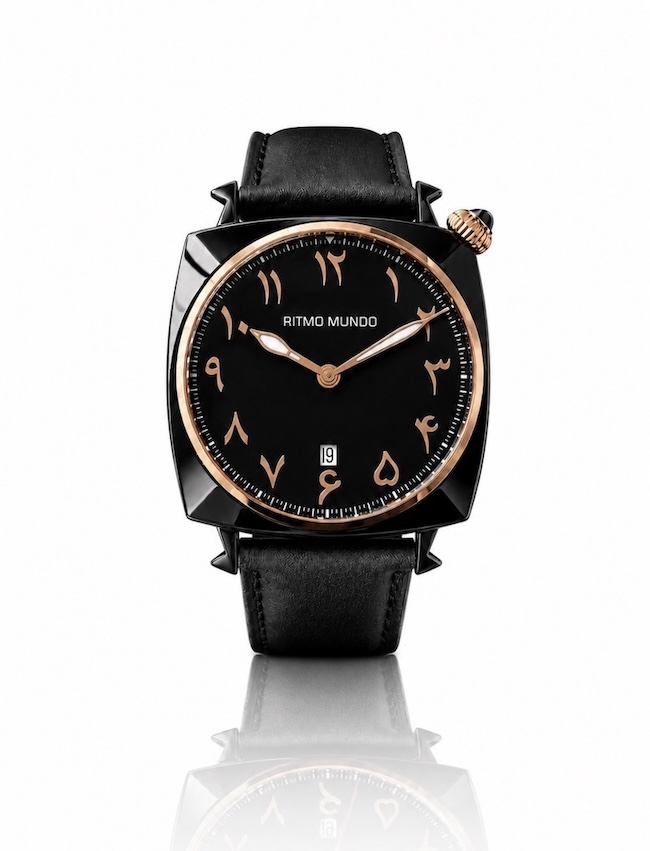
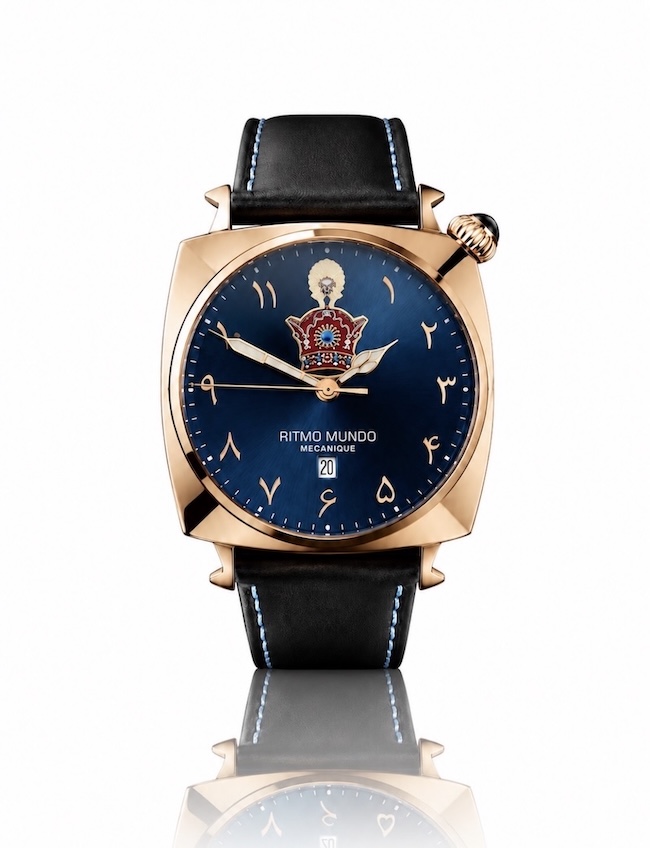
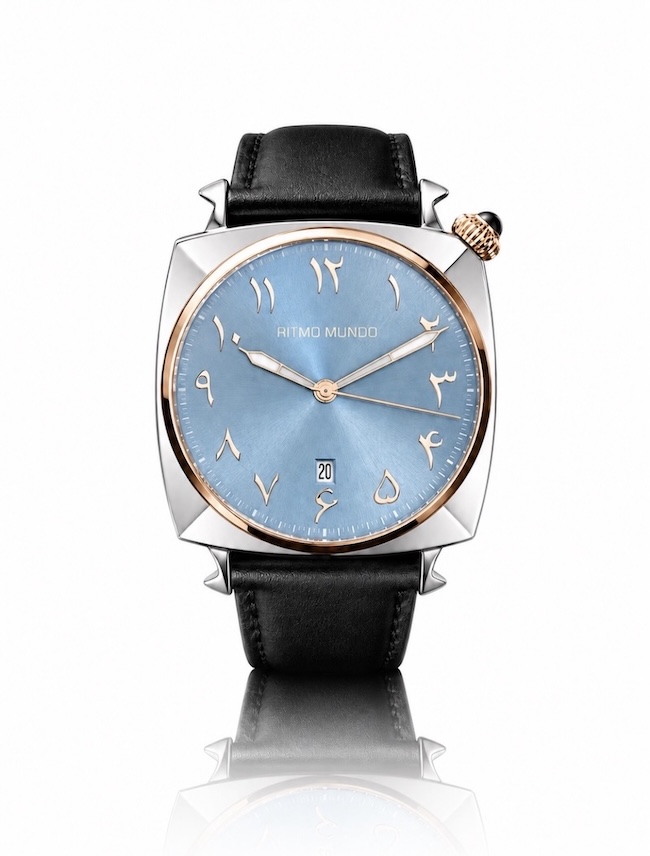
You have also designed Persian-inspired pieces: the Persepolis, with its dual-time orbital case, and the Centurion Royalty Edition, with its Persian numerals and royal emblem. What was the inspiration behind designing watches that carry so much personal and cultural weight?
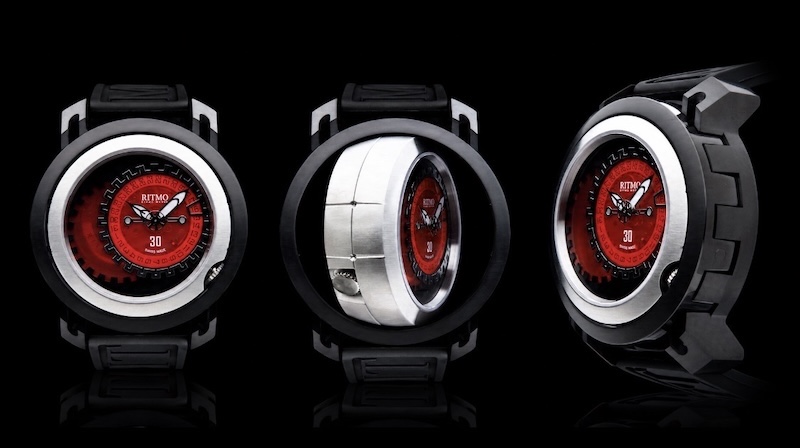
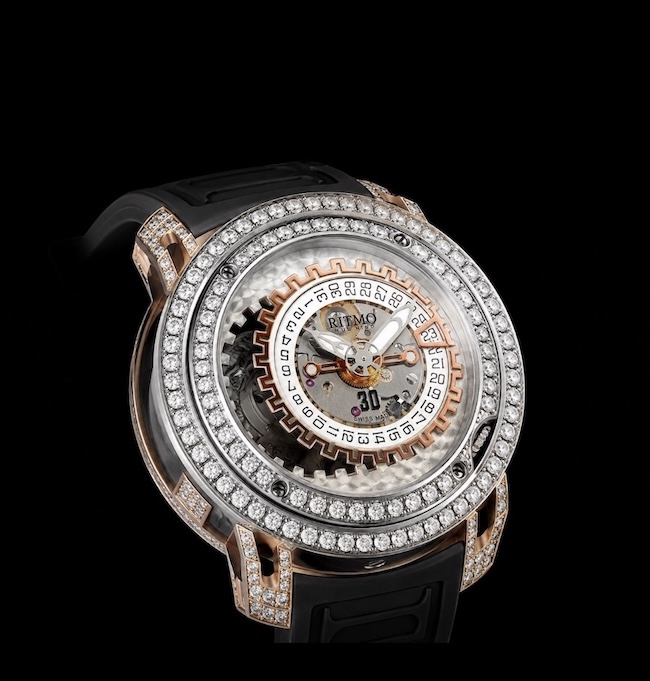
When designing Persepolis, I aimed to create a conventional watch that symbolizes Persian mastery in the arts, sciences, and creativity. The watch’s architecture had to be distinct. The orbital construction of the case, with its inner watch case capable of rotating within the larger structure, became an integral part of its identity.
The name Persepolis refers to the fact that Persia was the center of civilization for centuries — science, astronomy, and mathematics — and thus pays tribute to the notable Persians of the past. I believed this name was most suitable for celebrating the legacy of the past and the present. The design was created in 2007-2008 and remains a significant creation.
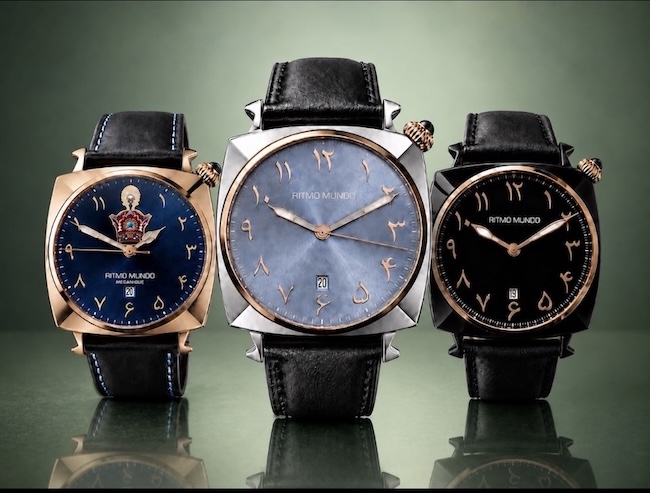
In our new Centurion 2026 editions, the numerals and historical symbolism have been made more explicit in Persian. These watches hold an emotional resonance for me because they connect me to a culture that existed long before the political circumstances through which Iran is often perceived today. Of the three watches, two are apolitical, while the Royalty pays homage to the Pahlavi dynasty that governed Iran until the revolution. The watch’s concept is to establish a connection between the wearer and the times and people they relate to.
You were born in Tehran and have lived in the United States for more than five decades. What do you remember about your early life in Iran and then your first years in America? Have you traveled back to Iran since then, and what was that experience like?
My recollections of Iran are predominantly those of my childhood, encompassing my family, surroundings, sounds, cuisine, and a profound sense of belonging. My father, Rahim Soltani, was deeply immersed in the Persian carpet industry, which instilled in me an extraordinary visual vocabulary: colors, patterns, craftsmanship, and objects imbued with both artistic and historical significance. I believe a portion of this heritage has persisted and manifested in unexpected ways as I embarked on my watch-designing journey.
In 1967, my father made an initial attempt to emigrate to New York City. However, he soon realized that the harsh winters were not conducive to his lifestyle and returned to Iran. In 1971, my father, my mother Zahra and I made the permanent move to Los Angeles.
At the tender age of five, I settled in California, as did countless immigrants before and after me, who faced the daunting task of assimilation and adaptation to their new home. During the early 1970s, communication and travel posed significant challenges in maintaining contact with our families back in Iran. Consequently, I embarked on regular trips back to Iran every nine months to resume my academic studies there.
During the summer months in Tehran, I caught up on the academic progress I had missed in Iran while simultaneously completing my studies in the United States. My final visit to Iran occurred a year prior to the Revolution.
I now frequently travel for work to the Middle East. Each time I fly over Iran, I harbor the hope that, for some inexplicable reason, my flight may be diverted to Tehran, allowing me to immerse myself in the vibrant culture and people of my nation.
You trained and worked as a lawyer before entering the luxury business. What prompted that transition, and which legal skills have proved most valuable as an entrepreneur?
I never perceived it as abandoning law. Law provided me with a framework of thinking that I still employ daily. The analytics combined with strategic thinking proves beneficial in various business endeavors. At the outset, most of my legal agreements for the watch company were exceptionally intricate. However, over the course of my 25 years in the industry, they have become considerably less complex, as the human element of a contract holds as much importance as the protections within the agreement.
Following my graduation from UCLA and the Loyola Law School, I engaged in the practice of law while becoming increasingly involved in my family’s luxury retail business, David Orgell in Beverly Hills. My family acquired David Orgell in 1989, and being exposed to the jewelry and watch industry from the retail perspective provided me with an entirely different education.
Eventually, I realized that I derived greater satisfaction from constructing and developing products, negotiating transactions, forging partnerships, and taking risks — rather than solely focusing on advising others about their business endeavors.
Legal training has been immensely valuable. A lawyer acquires the ability to identify potential risks, negotiate effectively, comprehend contracts, discern the actual intentions of others rather than their desired ones, and anticipate the repercussions of a decision before making it.
And entrepreneurship imparts a lesson that is almost the opposite: there comes a point where analyzing every conceivable risk becomes unfeasible. One must make a decision and proceed. Learning when to adopt a legal mindset and when not has undoubtedly been one of the most useful skills of my career.
Why did you choose the name “Ritmo Mundo,” and how does the idea of the “rhythm of the world” express the brand’s identity?
I made it up. The word Ritmo Mundo translates from Latin languages (such as Spanish and Italian) as “Rhythm of the Earth.” Symbolically, the most sophisticated watches are still inaccurate when compared to mother nature and the rhythm of the earth which determines location, timing, and future events based on the stars.
How important has Hollywood been in turning Ritmo Mundo from a watch company into a recognizable lifestyle brand?
I grew up in Los Angeles, and my brothers and I interacted at school and at play with so many friends who are stalwarts of the industry. Given that our family business David Orgell was so prominent among celebrities for over 40 years, it was a natural fit. Once I started the brand, I made sure the clients of David Orgell also wore my new timepieces. Starting in 2002, you could not enter the store and not be exposed to the brand.
Hollywood was enormously important, particularly because we were an independent company competing against corporations with advertising budgets exponentially larger than ours. Instead of trying to outspend them, we became part of the culture. Our watches appeared in television, movies, music, sports and entertainment at a time when audiences were increasingly interested in what actors, musicians and athletes were actually wearing.
Entourage was particularly important because Ritmo Mundo appeared throughout the series and the lifestyle depicted on the show was closely aligned with the personality of the brand. We were also involved with projects including CSI: Miami, Ocean’s Twelve and Ocean’s Thirteen, Ballers, Fast & Furious, and many other entertainment icons during their zenith. That visibility accomplished something traditional advertising could not. People didn’t simply see a picture of a watch. They saw the watch living within a culture.
Hollywood helped transform Ritmo Mundo from an object you purchased into something that represented a particular attitude toward life. The key to me personally is missing entertainment, sports, and time into one persona – the DNA of the brand is about coolness and proimenece concurrently.
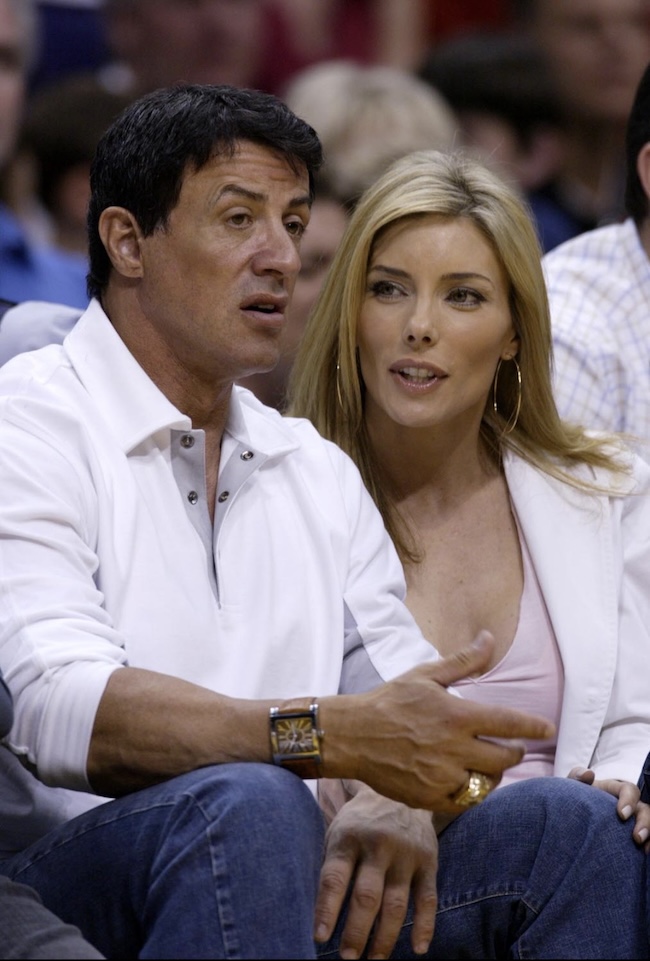
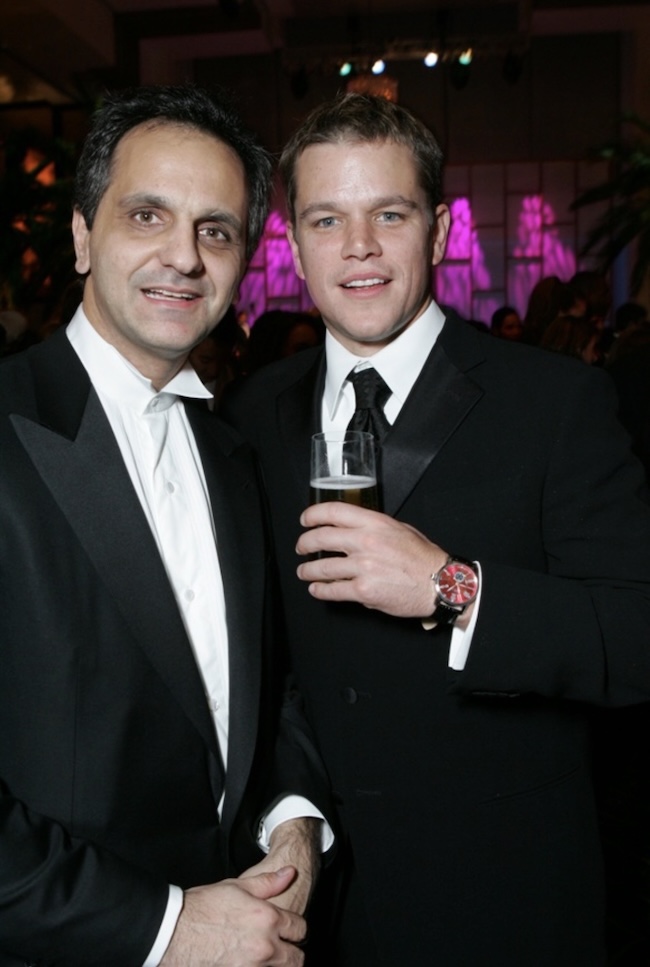
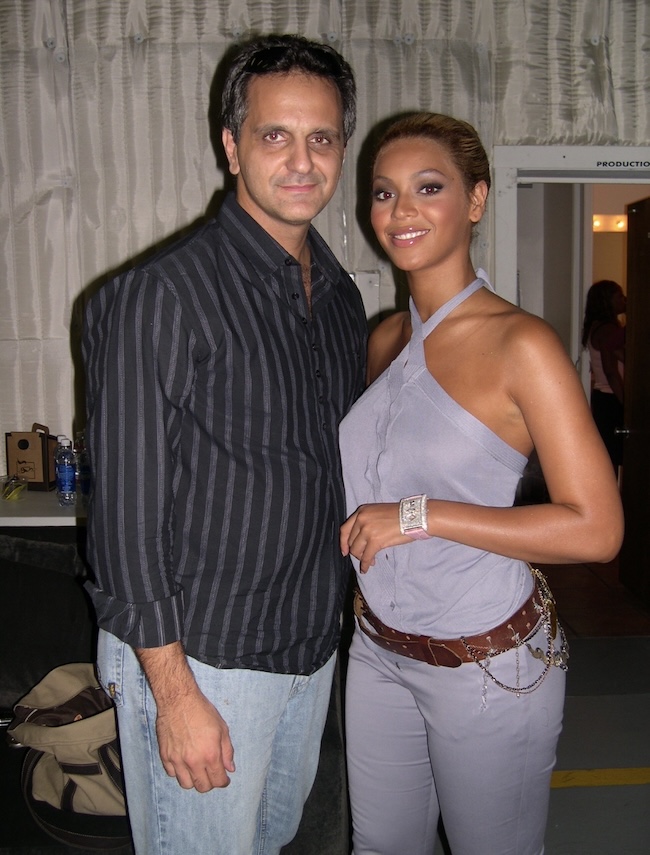
Ritmo Mundo has been associated with major celebrities ranging from Elizabeth Taylor and Michael Jackson to Beyoncé, Samuel L. Jackson, and Arnold Schwarzenegger. How did these relationships develop? Which entertainer has been particularly closely associated with Ritmo Mundo? How did that relationship begin, and what effect did it have on the company?
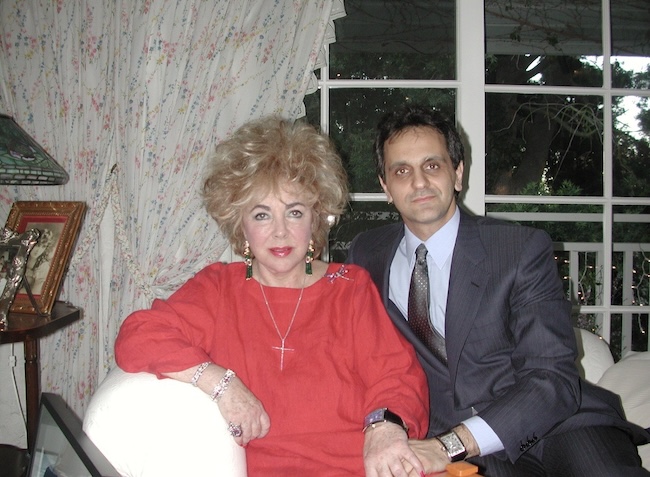
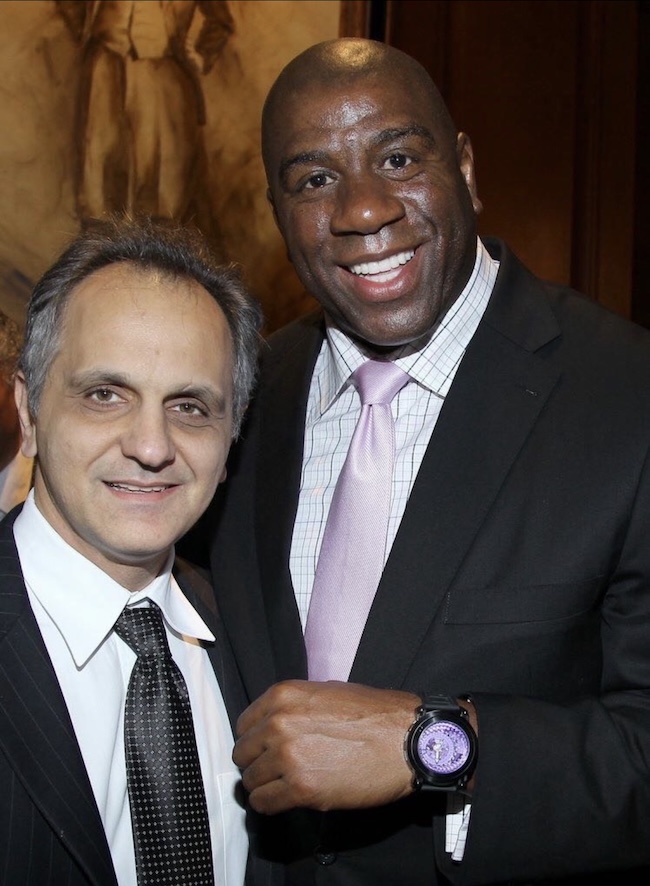
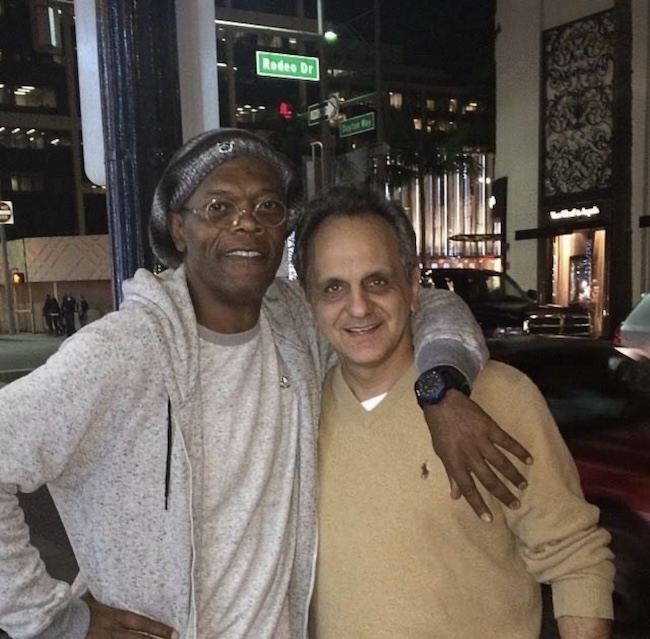
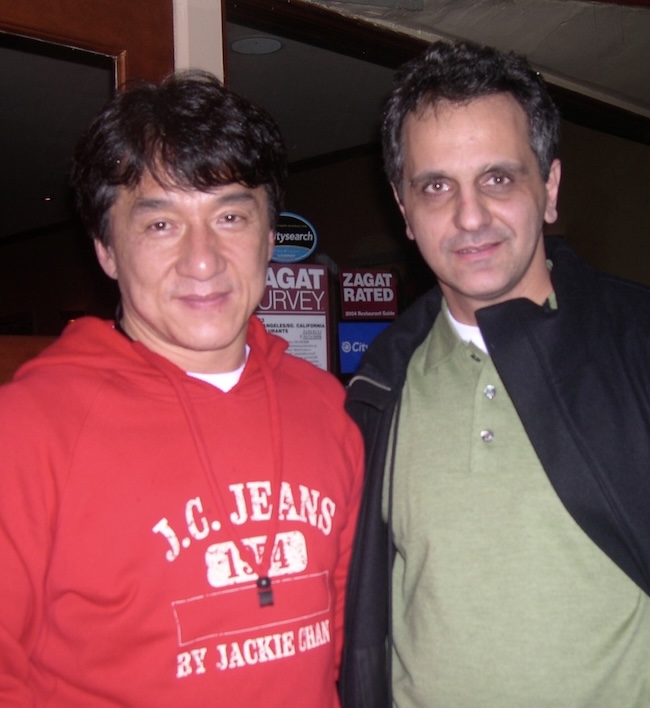
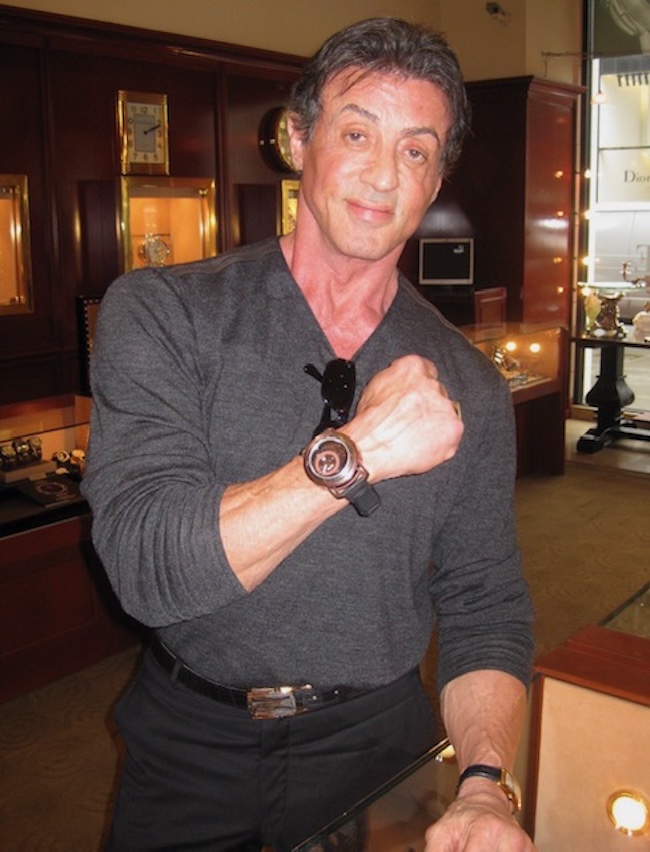
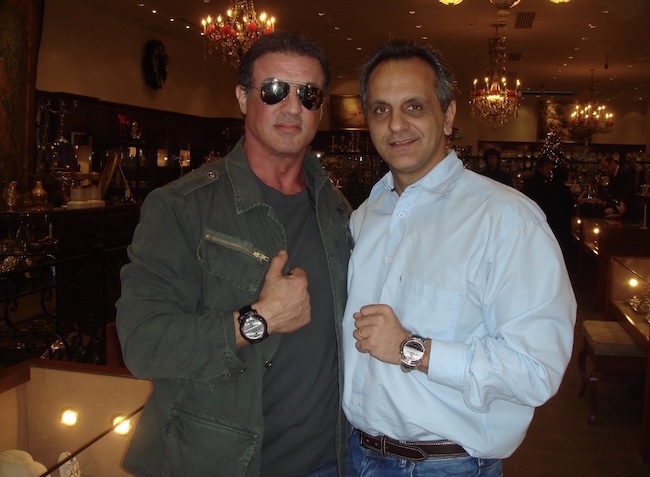
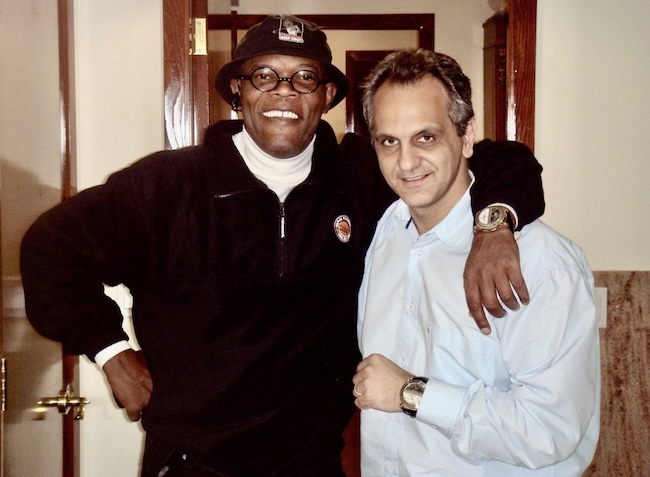
Given I grew up in Los Angeles, and between my brothers and I we interacted at school and at play with so many friends whom they or their parents were within one aspect of the entertainment industry, we made sure to rely on those connections to expose and expand the brand. Realistically, given our family business David Orgell was also so prominent among celebrities for over 40 years, it was a natural fit that once I started the brand, I made sure the clients of David Orgell also wore my new timepieces. Hence, starting in 2002, you could not enter the store and not be exposed to the brand. I’ve been blessed to know and rely on so many of these same individuals, whether in sports, music, or cinema, to give greater exposure. For example, Samuel L. Jackson often uses our timepieces in his movies. The first watch I made in 2002 was for Elizabeth Taylor to match her purple eyes. In sports, whether in auto racing or soccer, or basketball, we made sure all the icons wore our timepieces. We were magnetic to their existence and in turn their help was a blessing.

The brand has also attracted leading athletes, including Hélio Castroneves, Marco Andretti, Petra Kvitová, and Anderson Silva. What makes the watches appealing across such different sporting cultures? Ritmo Mundo has also served as a timepiece partner for IndyCar, LA Galaxy, Miss Universe, Miss USA, and Miss Teen USA. Which partnership had the greatest effect on the brand’s development?
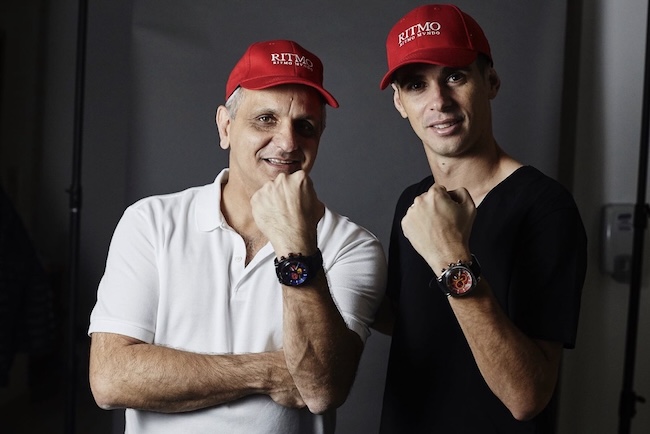
Sports and watches have always had an interesting relationship because both deal with precision, performance and time, but I think our attraction to athletes went beyond that. The Ritmo Mundo watches have personality. They are generally not quiet watches. Athletes—whether in motorsports, tennis, soccer or mixed martial arts—often have very strong identities themselves, so there was a natural connection. We have also been integral with soccer globally worn by many of the Brazilian national team members.
Motorsports perfectly matched our design philosophy. Speed, machinery, engineering, color and precision were all elements already present in Ritmo Mundo. We worked with drivers including Hélio Castroneves, Marco Andretti, Dan Wheldon and others, and our involvement in that world extended over several years. Our involvement with IndyCar was probably among the most important sports relationships in the development of the company which we started in 2008. We can proudly say that three Indy500 Champions wore our branded watches after winning the Indy50. The Miss Universe, Miss USA and Miss Teen USA partnerships did something different again—they broadened the perception of Ritmo Mundo beyond men’s watches and sports and placed the company squarely within fashion and entertainment. Collectively, these partnerships taught us that the brand could move comfortably through very different worlds without losing its identity. For over a decade, we worked with MTV European Music Awards Show. We always intermingle the brand, the watch, to the natural limits of these assets.
At a time of tension between the United States and the Islamic Republic, what distinction do you believe Americans should make between the Iranian regime and the Iranian people?
The distinction is absolutely essential. A government and a civilization are not the same thing, and a political system and its people are not interchangeable. Iranian civilization is thousands of years old. It has produced extraordinary contributions in literature, poetry, architecture, medicine, mathematics, art and philosophy. Iranian people today—both inside Iran and throughout a very large global diaspora—should not automatically be defined by the actions or ideology of the government that rules Iran.
Americans generally understand this principle intuitively. We do not assume that every citizen of every country agrees with every action of his or her government, and we should extend that same understanding to Iranians. I also think it is important to recognize how deeply Iranian-Americans have become part of American society. They are physicians, engineers, entrepreneurs, attorneys, academics, artists and business leaders. Many arrived here because America represented freedom and opportunity when those were curtailed back in Iran.
My own life is an example of how these identities can coexist. I can have enormous affection and respect for Persian civilization and my Iranian heritage while also being profoundly grateful to America and committed to the country in which I have spent most of my life. Those sentiments are not contradictory.
Looking ahead, what’s next for you personally and for Ritmo Mundo as a company?
Personally, I’ve worked emphatically non-stop to build the Ritmo Mundo brand among the land of giants in the Swiss and International watch industry. Jokingly I tell my friends I work not 24/7 but rather 26/8.
Approaching our 25th anniversary in early 2027, it’s been a power of love, discipline, and faith in our own watches and the fact they will resonate with the watch consumers globally. Fortunately, the US is a bastian of creation and growth for us. Being an independent watch brands that has outlasted four recessions, five presidents, and the naysayers, gives me strength to expand. It means we can still design something because we think it is fascinating rather than because a corporate committee has determined that it fits a particular market segment. Personally, I want to continue creating, designing and building relationships around the world. After more than 25 years, I still get excited when I see an idea that existed in my head become a physical object on my wrist.