By Nazanine Nouri
Two Iranian architecture practices are among the seven winners of the Aga Khan Award for Architecture (AKAA), which was announced on September 2. They are ZAV Architects/ Mohamadreza Ghodousi, who won the prize for their Majara Residence and Community Redevelopment project on Hormoz Island; and KA Architecture Studio, for its Jahad Metro Plaza in Tehran.
The seven winners were selected from a total of 369 nominees, and will share a total prize money of $1 million.
“Inspiring younger generations to build with environmental care, knowledge and empathy is among the greatest aims of this award,” said His Highness Prince Rahim Aga Khan V, AKAA Steering Committee Chair in a statement after the awards announcement.
“Architecture today must engage with the climate crisis, enhance education and nourish our shared humanity,” he added. “Through it, we plant seeds of optimism – quiet acts of resilience that grow into spaces of belonging, where the future may thrive in dignity and hope.”
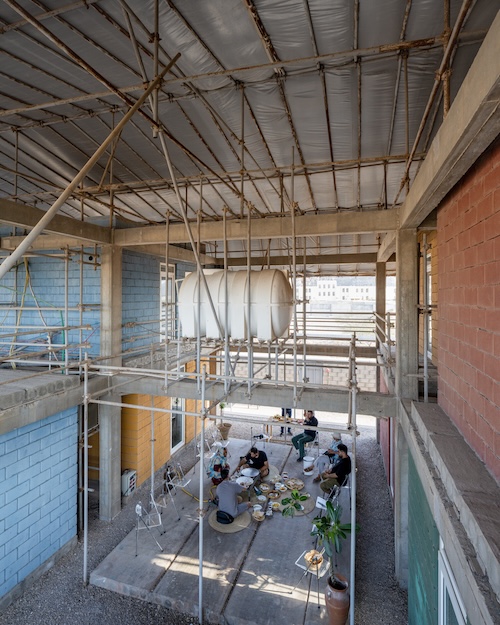
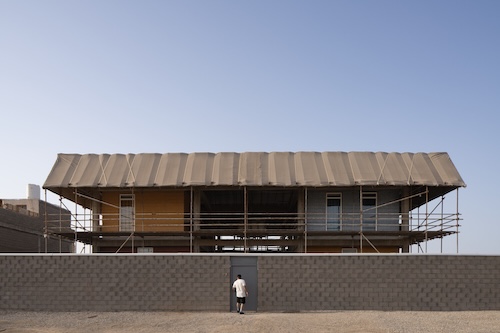
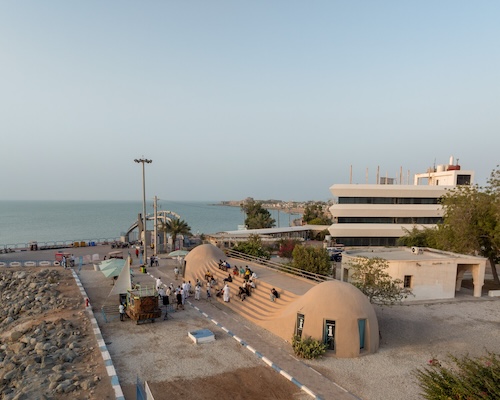
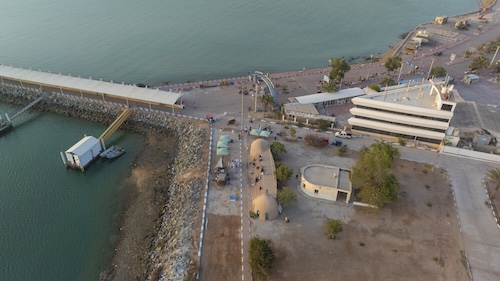
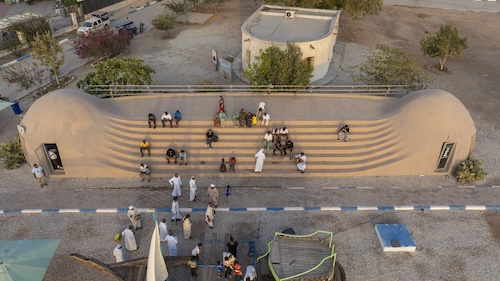



The Aga Khan Award for Architecture is given every three years to projects that set new standards of excellence in architecture, planning practices, historic preservation and landscape architecture.
The award was established by Prince Karim al-Husseini, known as Aga Khan IV, to recognize and promote architectural ideas that effectively meet the needs and goals of towns with a sizable Muslim population. To date, 136 projects have been honored during the Award’s 16 triennial cycles.
“When Prince Karim [Aga Khan IV, the spiritual leader of Ismaili Muslims who passed away earlier last February] created the prize in 1977, talking about architecture meant talking about a building,” said Farrokh Derakhshani, the director of the Aga Khan Awards, in the French daily Le Monde earlier this month. “What he wanted to promote was the human dimension of architecture: how it enables people to live and improves their living conditions.”
“The term ‘architecture,’ in this sense, can refer to a cultural center, a project to transform an archaeological site, or a civil engineering structure such as a water tower…” he added.
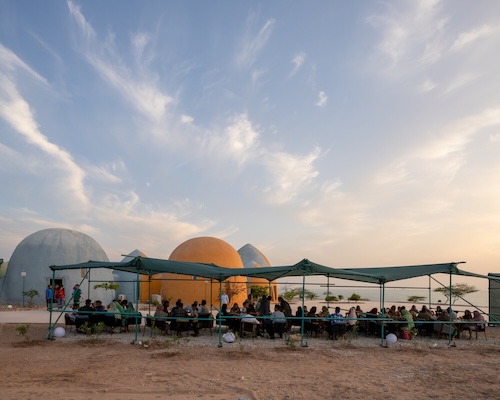
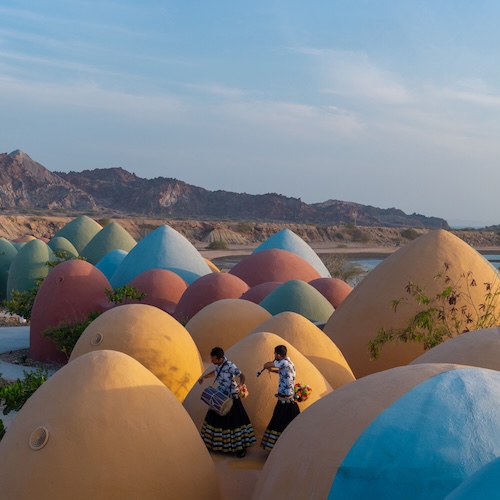
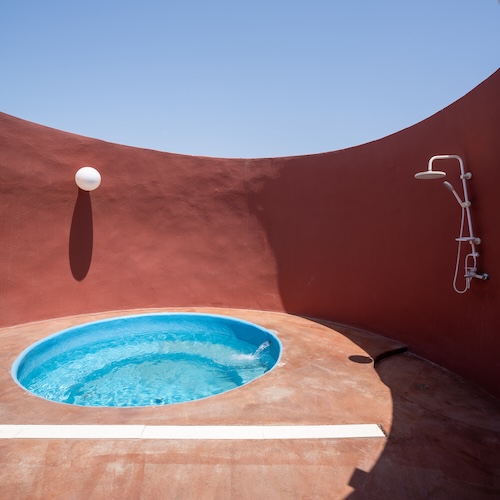
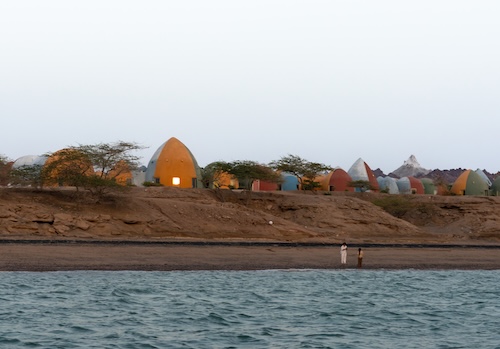
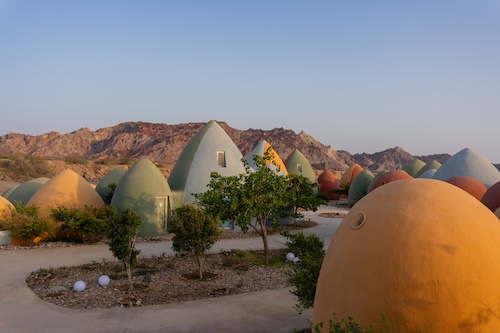
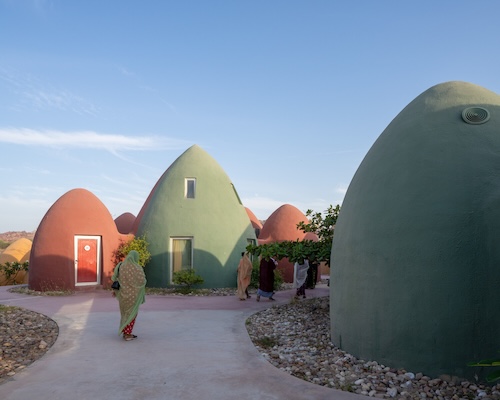
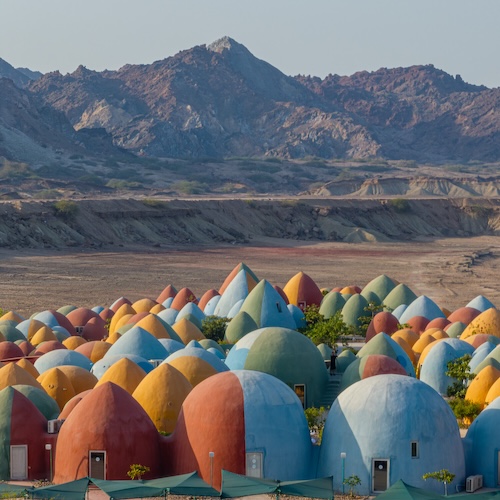
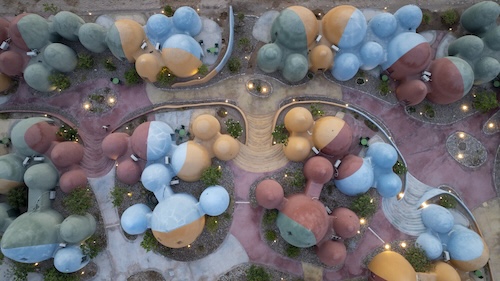
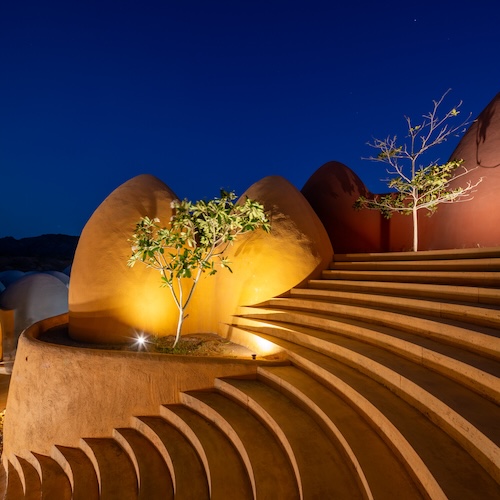
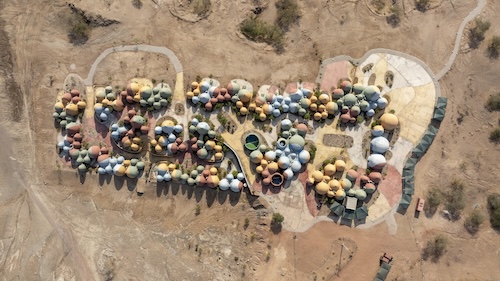
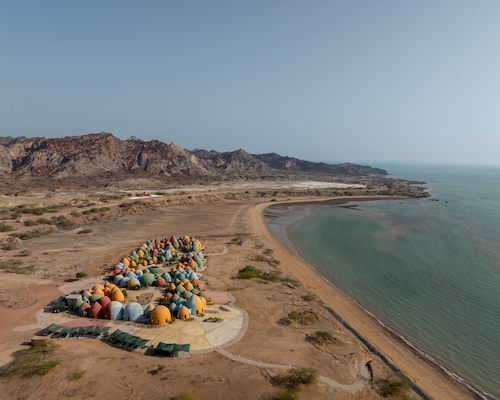
The Majara Residence and Community Redevelopment project on Hormuz Island in the Strait of Hormuz is made up of a series of dome structures painted in the ochre-rich colors of the island’s soil which offer eco-friendly lodging. Hormuz Island is known for its multicolored mountains. In the past its population was fewer than 6,000 people mainly living on fishing and illegal goods trafficking and offered limited tourism with only day-trippers or backpackers staying overnight.
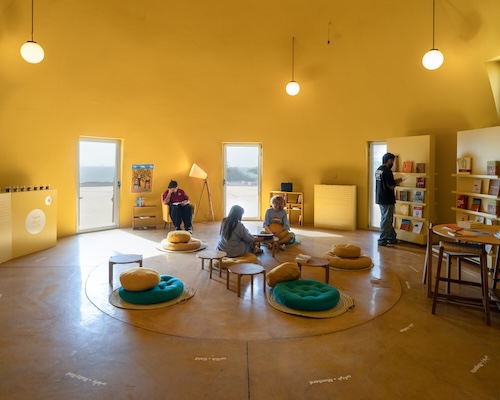
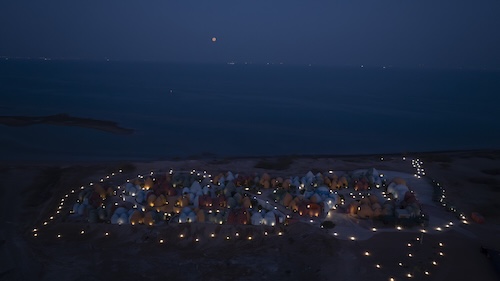
The Majara Residence is a gateless complex made up of 200 domes of varying sizes that offer comfortable tourist accommodation for up to 75 visitors, 10 art/design residencies, as well as eateries, a public library, an art/craft retail space, and a place of worship.
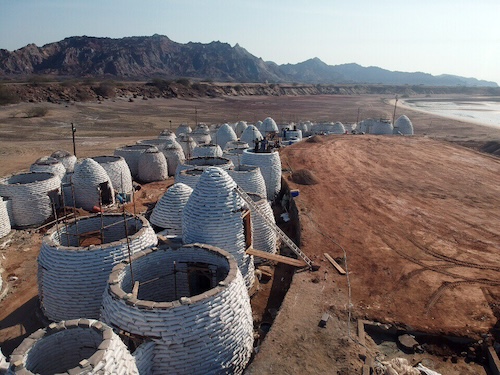
The domes are based on the SuperAdobe building technique pioneered by Iranian-American architect Nader Khalili (winner of the 2004 Aga Khan Award for Architecture.) Their thick walls cool the spaces and offer refuge from the heat.
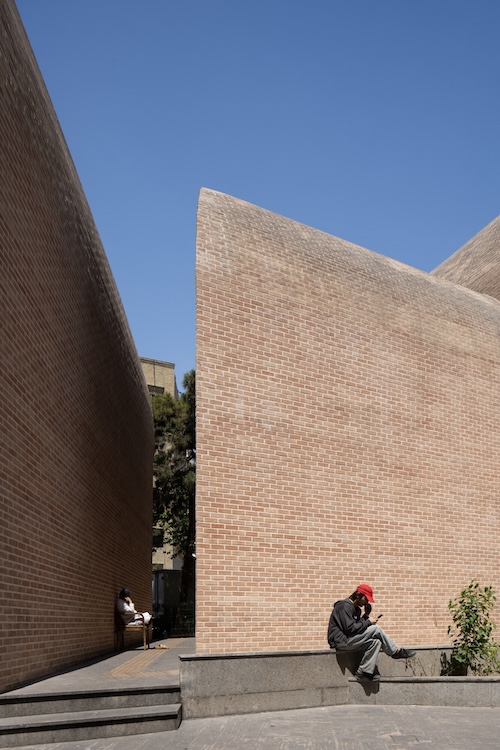

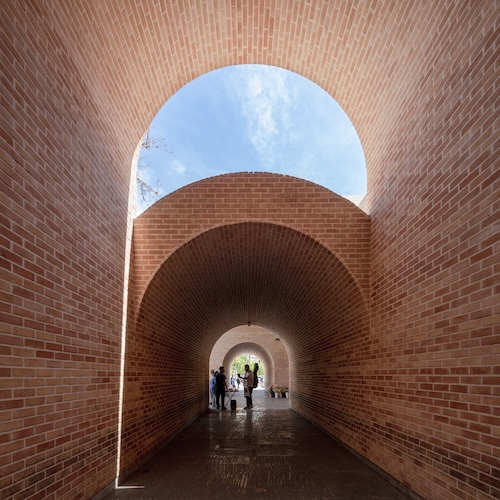
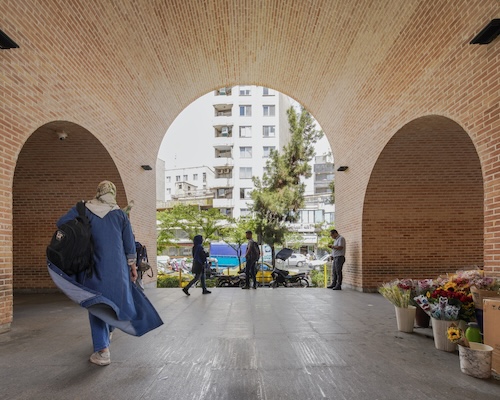
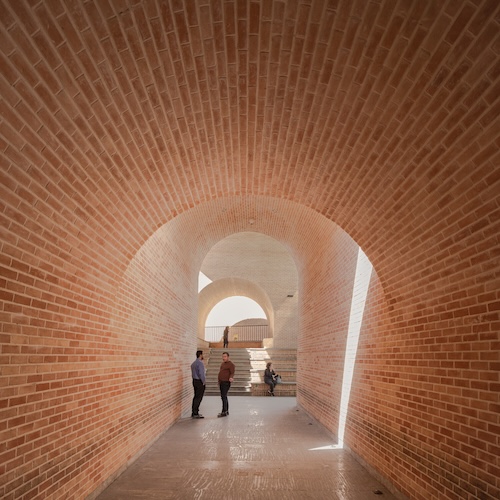
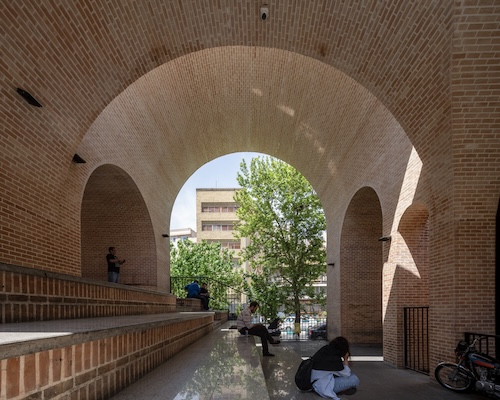
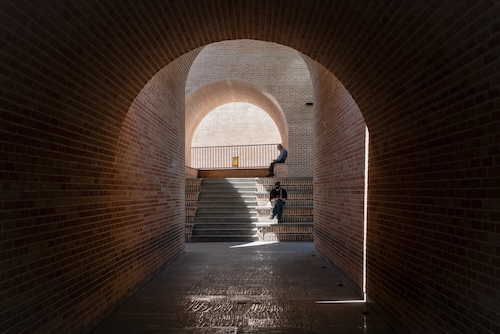
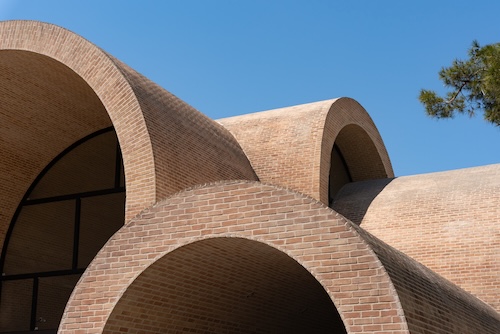


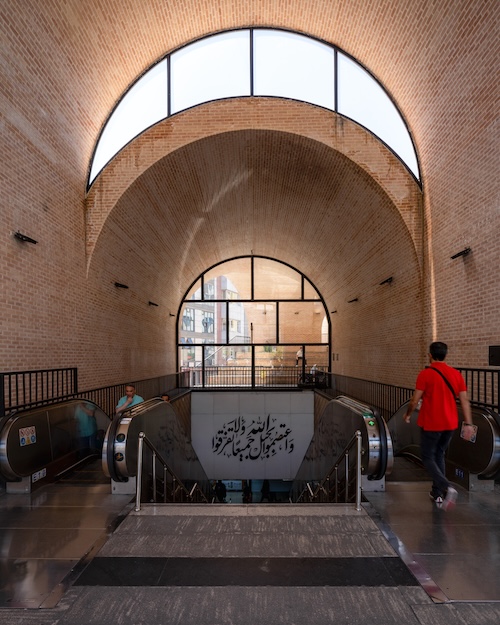
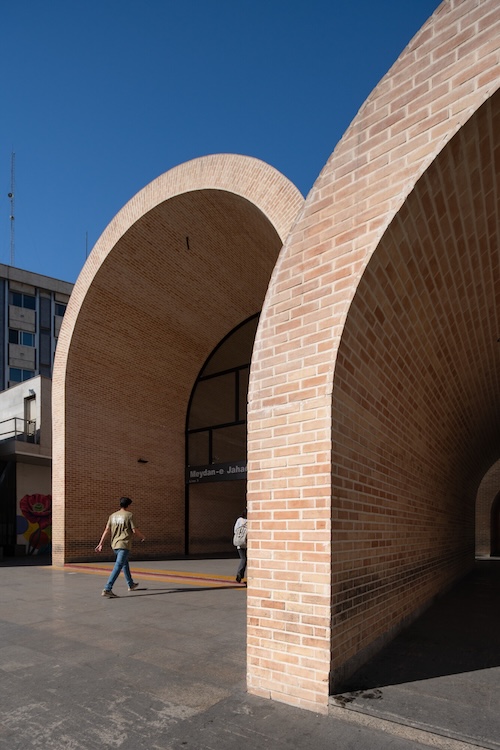
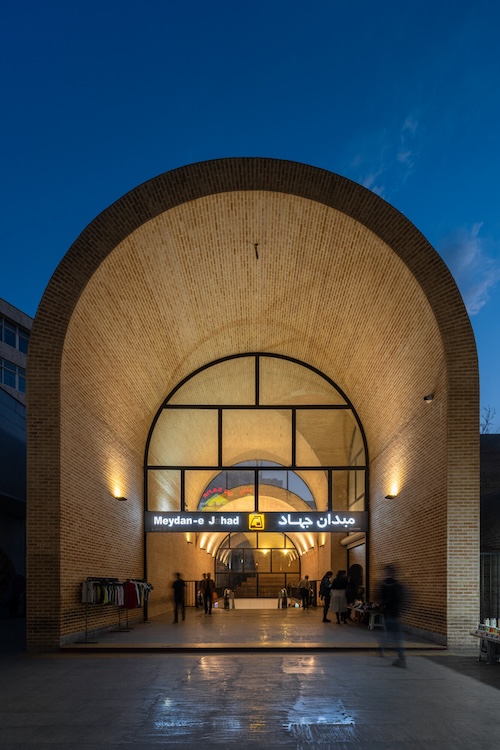
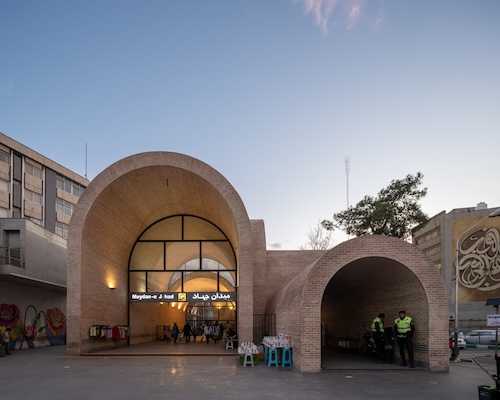

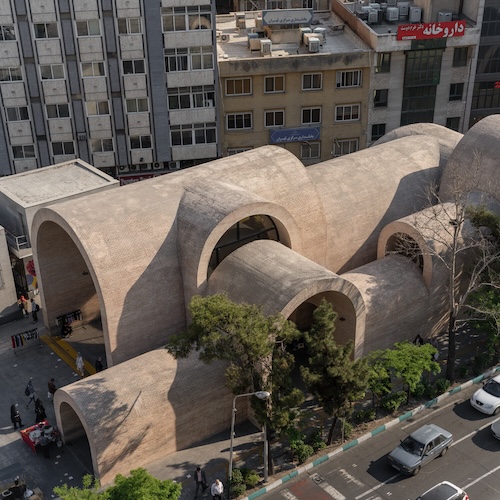

The Jahad Metro Plaza is a formerly dilapidated metro station which was transformed into a vibrant urban node for pedestrians in Tehran by KA Architecture Studio. The station entrance was transformed into a plaza encouraging encounters and events, with the wide façade providing a welcoming space for public interaction, informal commerce and urban life. Comprised of several barrel-like constructions, the metro entrance features several arched windows, allowing streams of light into the cool, shady spaces. The project championed the use of local handmade brick, strengthening its connection to Iran’s historic architectural heritage.
ZAV Architects was established in 2006 by Mohamadreza Ghodousi.
KA Architecture Studio was established in 2013 by Mohammad Khavarian.