BRUSSELS, April 15 (Reuters) – The European Commission plans to propose temporary measures such as grants, subsidies, tax breaks and loans to mitigate the impact of the Iran war on agriculture, fisheries and transport, a draft Commission document seen by Reuters showed.
The Commission is currently consulting member states before it adopts a final version by the end of April. Once adopted, these aid measures will be granted until the end of the year and will cover a portion of up to 50% of extra fuel and fertilizer costs arising from the Iran crisis.
The temporary measures will complement existing state aid rules and “allow member states to address the specific unexpected, sudden, and significant cost increases,” the draft said. This aid is directed specifically toward businesses in the agricultural, fishery, road transport, and intra-EU short-sea shipping sectors.
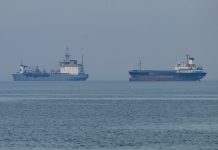
Global fertilizer prices have jumped in recent weeks following the near total closure of the Strait of Hormuz, a narrow shipping route along Iran‘s coast. Much of the world’s fertilizer is made in the Middle East, with one-third of global trade in it sailing through Hormuz. The United Nations warned on Wednesday fertilizer shortages would hit food security and therefore stability in developing nations hardest.
“In March 2026, the price increase for nitrogen fertiliser in the EU, amid ongoing developments in the Persian Gulf, rose sharply and currently stands around 58% above 2024 averages,” the draft said.
As reported by Reuters on Monday, the European Commission wants to let countries unleash more public money to help businesses with fuel and fertilizer bills as governments race to offset the economic shock from soaring prices triggered by the Iran war.
The Commission is also due to present a Fertiliser Action Plan this quarter, which aims to improve the availability and affordability of fertilizers for food production and avoid “harmful strategic dependencies”.
Antoine Hoxha, director general at Fertilizers Europe, told Reuters European farmers do not face any fertilizer shortages but they do have an affordability problem.
“Farmers need support. And if the European Union is doing that, it is the right thing to do,” Hoxha said.
(Reporting by Alexander Chituc, Editing by Julia Payne and Keith Weir)