By Kayhan Life Staff
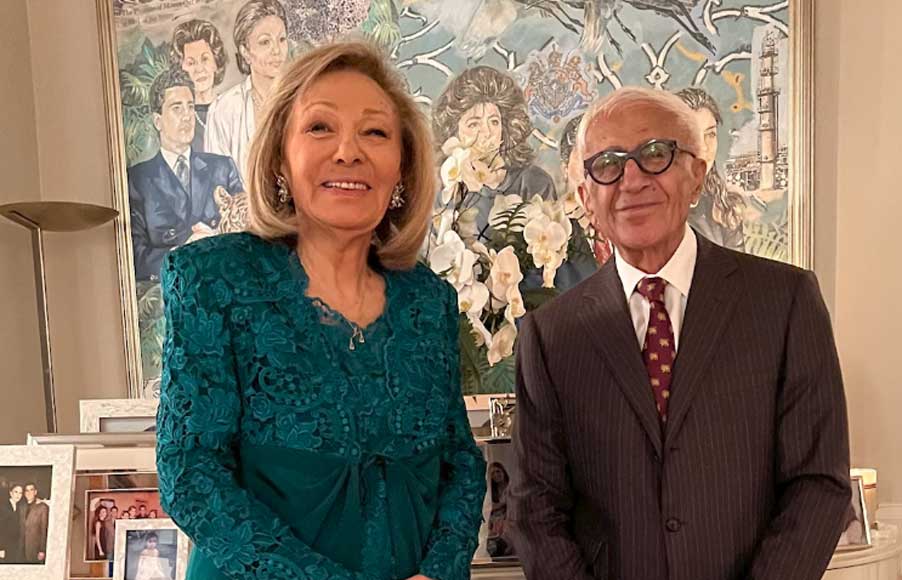
Kambiz Atabay, a prominent and influential figure in modern Iranian sports and a former court advisor to Mohammad Reza Shah Pahlavi, passed away on November 3 in New York at the age of 86. His contributions to the development of sports in Iran are widely recognized and will leave a lasting legacy.
Atabay was born in Tehran in 1939 to Lieutenant General Abolfath Atabay and Badri Atabay. During the 1953 political crisis in Iran, known as the 28 Mordad, he accompanied the Shah and Queen Soraya Bakhtiari on a plane piloted by Lieutenant General Mohammad Khatami, which temporarily evacuated the royal couple from Iran.
Atabay graduated from Britain’s Royal Military Academy Sandhurst in 1961 and returned to Iran, where he served as a second lieutenant in the Imperial Army, working in both a special unit and the counter-intelligence division.
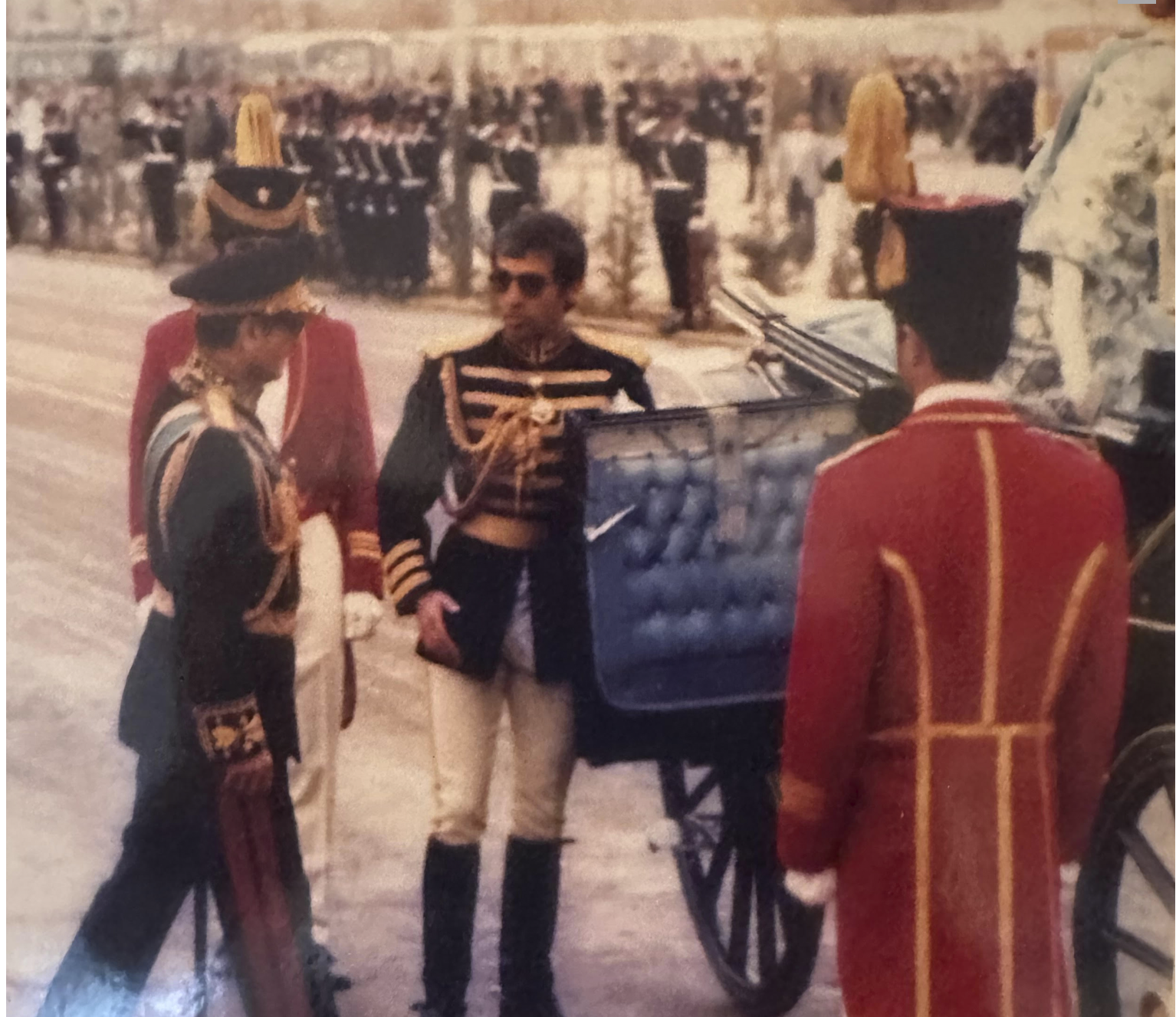
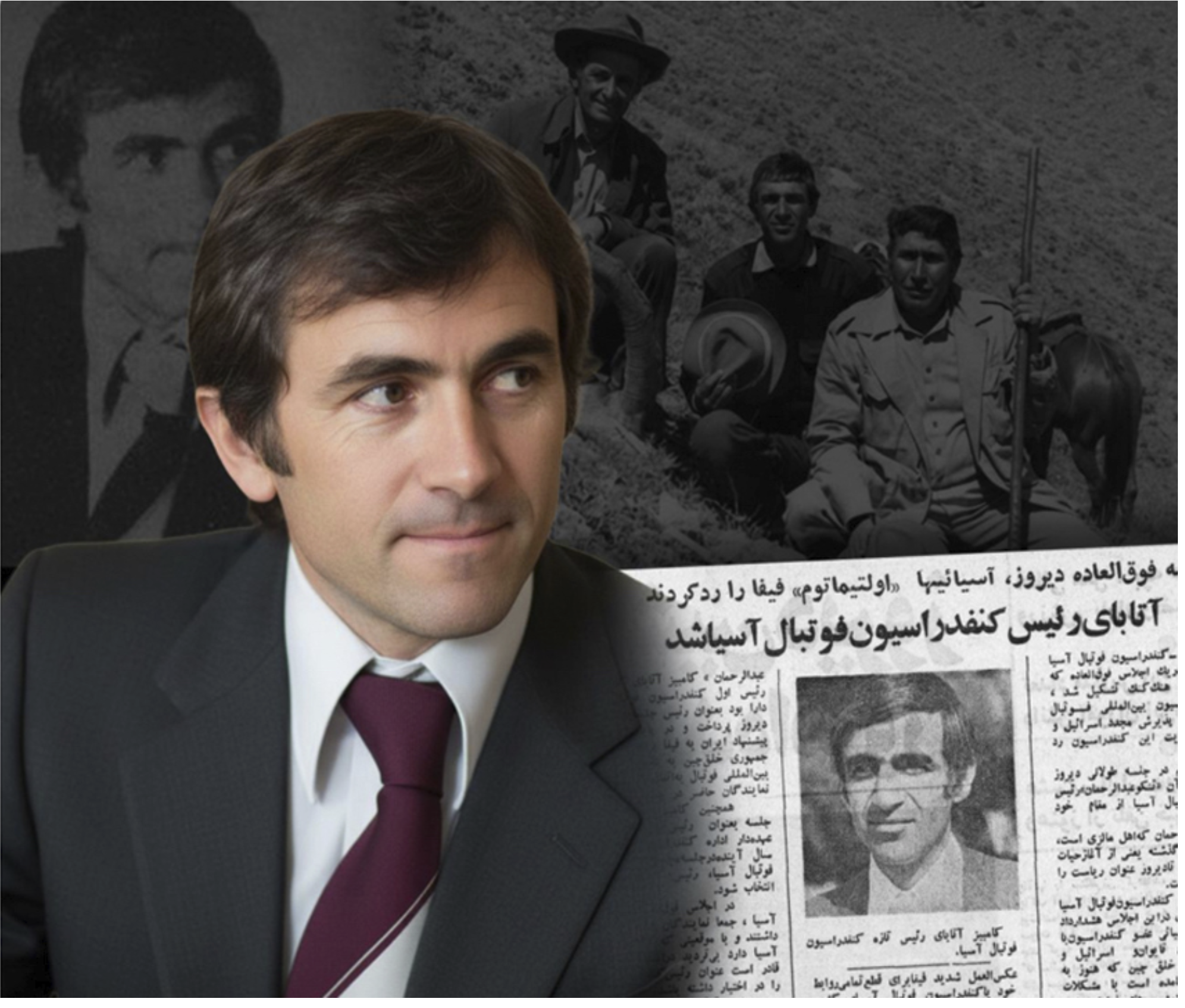
In 1967, he joined the Royal Court as the Director General of Technical Affairs and Social Services. From 1970 to 1978, he led the Iranian Equestrian Federation and, in 1971, founded the Royal Horse Society of Iran, becoming its director. That same year, he was appointed aide-de-camp to the Shah.
Kambiz Atabay assumed leadership of the Iranian Football Federation in 1972, serving until 1978, the golden age of Iranian football. He was the tenth and final President of the Iranian Football Federation during the Pahlavi era, and he held the longest tenure of any president of the Federation. He oversaw an extensive modernization of Iranian football.
Before him, Mostafa Mokri led Iranian football from 1968 to 1973. Mokri’s term was regarded as highly successful: during his leadership, the national team won the Asian Cup twice, secured the Asian Club Championship, and qualified for the 1972 Munich Olympics. Atabay succeeded Mokri in 1973, at a time when structural changes in Iranian sports were inevitable.
Under Atabay’s stewardship, the national team captured multiple Asian titles, including the Asian Youth Cup, the Asian Cup, and the Asian Games championship, while also qualifying for its first World Cup finals in 1978. He served as President of the Asian Football Confederation from 1976 to 1978, becoming the first and only Iranian to hold that position.
Although he had never played or managed in football, his true athletic passion was equestrianism. Atabay applied rigorous organization, political acumen, and administrative skills to the game. A close associate of the Shah, he held several court appointments, including serving as a special assistant to Mohammad Reza Shah Pahlavi.
Atabay created the country’s first professional league, the Takht Jamshid League, in 1973, which was modeled on European systems and regarded as the first professional competition of its kind in Asia. His tenure also introduced structured coaching and refereeing programs in partnership with the A.F.C. and FIFA. Media coverage and football documentation were also taken seriously for the first time, and the Official Football Yearbook of Iran was published—a groundbreaking step that was not repeated for decades.
Atabay’s first major decision in July 1973 was to dismiss Mahmoud Yavari and appoint Mahmoud Bayati as head coach of the national team. Bayati had led Iran to its first Asian Cup victory in 1968. Still, the disappointing results at the 1972 Olympics had been a wake-up call for Iranian football, revealing the need for a professional domestic league. For the first time, Iran had participated in the World Cup qualifiers. Despite an admirable performance and a 2–0 victory against Australia in Tehran before 100,000 fans at Aryamehr Stadium, the team fell short due to a 3–0 loss in the away leg. The defeat exposed the shortcomings of non-professional structures and strengthened Atabay’s resolve to modernize Iranian football.
He hired international coaches, including Frank O’Farrell, the former manager of Manchester United. He fostered a new generation of Iranian managers, such as Heshmat Mohajerani. Under his leadership, Iran won gold at the 1974 Asian Games in Tehran. The national team claimed a third consecutive Asian Cup title in 1976—a record that still stands. The national youth team also won the Asian Youth Championship that year. It went on to repeat the title several times.
Iran’s qualification for the 1976 Montreal Olympics and the 1978 World Cup in Argentina marked the peak of Mr. Atabay’s reforms. He also led Iran to its first victory in the Afro-Asian Cup, an intercontinental competition.
After the 1979 Revolution, Mr. Atabay left Iran for safety reasons and settled abroad. Many observers later described his era as one of professionalism and national pride that has never been fully restored in Iranian football.
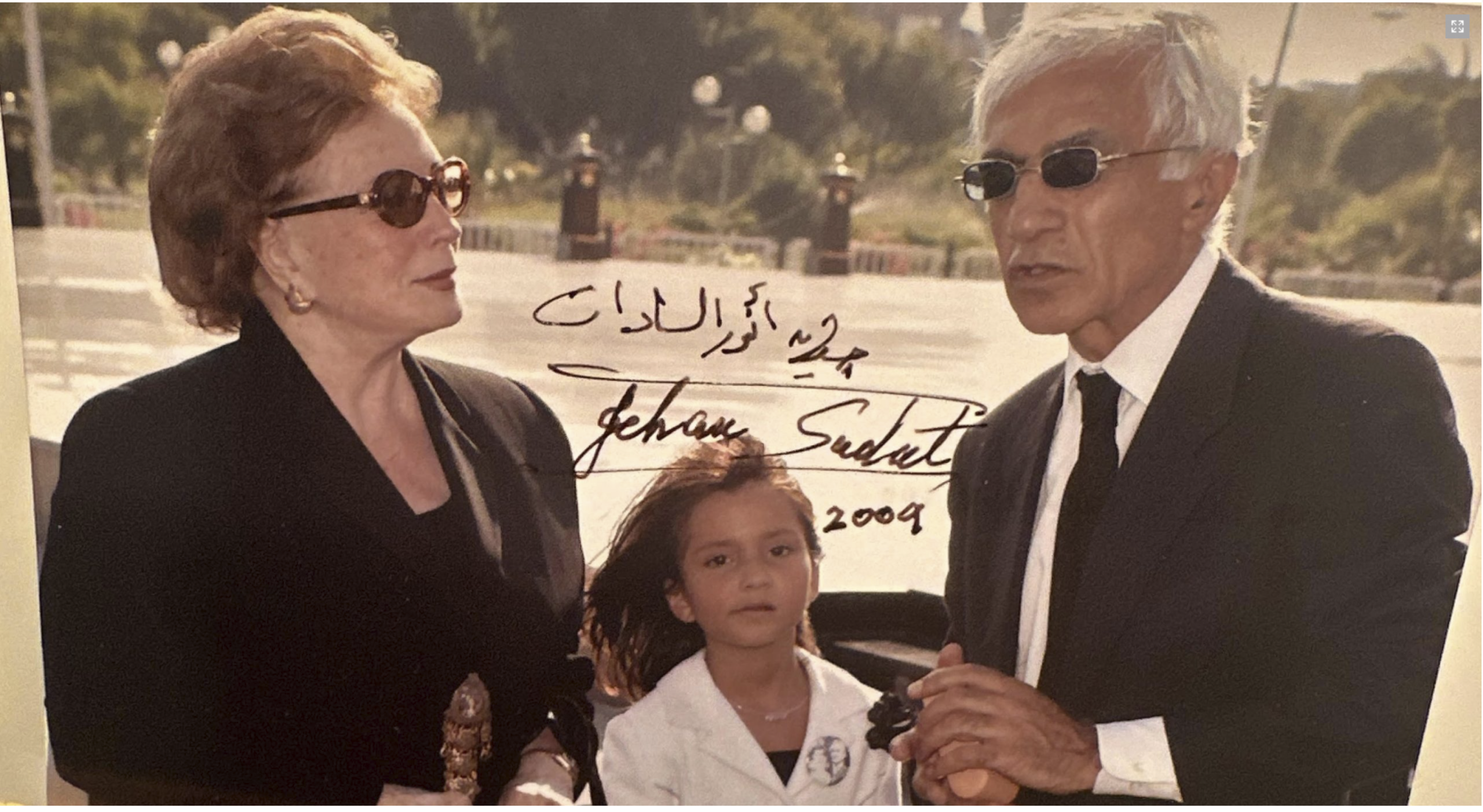
He received the Coronation Medal and the Commemorative Medal of the 25th Anniversary of the Pahlavi Dynasty. Additionally, President Anwar Sadat of Egypt, a close ally of the Pahlavi family, awarded him the Order of Merit, Second Class.
From 1979 until his death, Mr. Atabay headed the office of Empress Farah Pahlavi.